



The Jeanneau Attalia 32 is a French cruising sailboat first launched in the early 1980s, designed by Tony Castro and built by the well-established yard Jeanneau. Conceived during a period when fiberglass production yachts were gaining dominance, it was aimed squarely at the family coastal cruising market. Its balance of manageable size, seaworthy performance, and comfortable interior made it attractive to amateur sailors looking for an affordable yet capable cruiser. On today’s second-hand market, the Attalia 32 enjoys moderate popularity, particularly among private owners and sailing schools seeking a reliable teaching platform, as well as individuals looking for a compact and economical liveaboard option.
Design and Construction
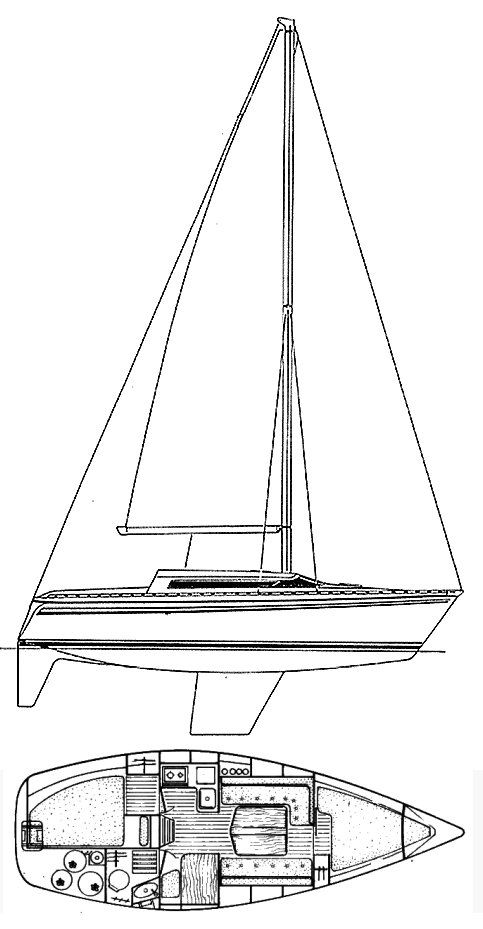
The Attalia 32 features a moderate displacement hull with a fin keel and spade rudder, reflecting the performance-oriented thinking of its era. This configuration gives the boat a lively helm and good upwind performance, though it sacrifices some directional stability compared to long-keel cruisers. The sloop rig, with a fractional setup, provides simplicity and versatility, making it easy to balance in varying conditions. Built in solid fiberglass with an inner liner, the construction is robust for its time, though heavier than modern composite builds. Interior joinery in wood veneer adds warmth but requires attentive care as boats age. From a naval architecture standpoint, the combination of a moderately beamy hull and efficient underwater profile yields a boat that is both durable and relatively easy to repair, while also retaining acceptable resale value for its age.
Performance
Under sail, the Attalia 32 is known for being responsive and relatively fast for a cruiser of its size and vintage. In light to moderate winds, it moves efficiently, making it enjoyable in coastal cruising scenarios. With a well-trimmed sail plan, it points respectably close to the wind and handles short seas with composure. In heavier weather, the boat remains stable and predictable, though like many fin-keel cruisers of the period, it can pound in steep chop. Compared to similar 32-footers such as the Catalina 30 or Hunter 31, it offers a more “European” sailing experience—slightly racier in feel, though less roomy below. Among sailors, it has a reputation as a reliable and enjoyable cruiser that rewards attentive trimming and good seamanship.
Comfort and Accommodations
Inside, the Attalia 32 provides a practical layout that works well for couples or small families. The saloon is modest but usable, with adequate headroom for most sailors of average height. The galley and navigation station are compact yet functional, and storage is sufficient for coastal cruising but limited for extended liveaboard use. Ventilation relies on opening hatches and portlights, which, while effective, can feel inadequate in hot climates. For weekend and holiday sailing, the accommodations are comfortable, but for long-term living aboard, owners often report the need for upgrades such as improved lighting, upholstery renewal, or reconfiguration of storage. Many examples on today’s market show interior refits, reflecting the fact that original finishes, while charming, have not always aged gracefully.
Safety and Practicality
On deck, the Attalia 32 offers straightforward sail handling, with all control lines within reach for a small crew. The side decks are moderately wide, though care is needed in rough weather due to the absence of the deeper bulwarks found on more conservative cruisers. A swim ladder makes water access easier, and the tiller steering provides both simplicity and cockpit space, though some later models were equipped with a wheel. With its construction and layout, the boat is best suited for coastal and limited offshore passages, provided that safety gear is updated. System access, particularly for engine and plumbing, is reasonable, which keeps maintenance time and cost lower than on larger cruisers.
Known Issues with the Jeanneau Attalia 32
As with many boats of its era, the Attalia 32 may present age-related issues. Osmosis in the fiberglass hull is a known concern, although many examples have already undergone treatment. Engine installations often feature older Yanmar diesels that may require overhaul or replacement. Deck leaks around portlights and fittings are common, particularly if sealant has not been renewed. Some owners have also reported wear on the rudder bearings and chainplates, which should be inspected closely. Practical upgrades frequently seen include new standing rigging, replacement of original electronics, and improved sail handling systems such as furling headsails. These investments significantly improve usability and resale prospects.
Market Availability and Pricing in the U.S.
The Attalia 32 is no longer in production and is only available on the used market. In the U.S., it appears occasionally in listings, more commonly on the East Coast, especially in New England and Florida, where European imports and cruising yachts are concentrated. Boats are typically offered in fair condition, often requiring cosmetic or systems refits. The typical asking price ranges from $18,000 to $28,000, depending on condition and upgrades. Compared with rivals like the Catalina 30 or Hunter 31, the Attalia 32 tends to be slightly less expensive, reflecting its smaller U.S. footprint and less familiar brand recognition among American buyers:
| Model | LOA | Years Built | Typical U.S. Price | Main Differences |
|---|---|---|---|---|
| Jeanneau Attalia 32 | 32 ft | 1982–1988 | $18,000–$28,000 | European design, good sailing performance, less interior volume |
| Catalina 30 | 30 ft | 1976–1997 | $20,000–$35,000 | Extremely common in the U.S., spacious interior, simpler systems |
| Hunter 31 | 31 ft | 1983–1987 | $18,000–$30,000 | Affordable, roomy cockpit, lighter build, average upwind performance |
| Beneteau First 32 | 32 ft | 1980–1985 | $22,000–$35,000 | Similar French cruiser-racer style, more performance-oriented, less forgiving |
Jeanneau Attalia 32 vs Catalina 30

The Jeanneau Attalia 32 versus the Catalina 30 presents a contrast between a European, performance-leaning hull and a very American, volume-first design—buyers should weigh sailing feel against liveaboard practicality. The Attalia’s fin keel and skeg-hung rudder yield crisper helm feedback and better pointing, which translates to more engaging upwind performance and easier passage-making for a couple who value sailing ability; by contrast, the Catalina’s fuller underwater sections and heavier displacement prioritize directional stability and interior volume, making it more forgiving for less experienced crews.
Rigging on the Attalia (masthead sloop on many examples) tends to be simple and efficient, favoring smaller foresails and active trimming, while the Catalina’s rig and larger cockpit layout favor easy handling and short-handed comfort. In real-world passages the Attalia will feel livelier in moderate winds and accelerate out of gusts, whereas the Catalina trades that responsiveness for a steadier, roomier ride that families appreciate on weekend sails. Interior-wise the Catalina commonly offers more usable cabin space and storage—appealing if regular provisioning or kids are a factor—while the Attalia’s layout is more compact and oriented toward practical cruising rather than liveaboard luxury. Maintenance-wise both are fiberglass boats of similar vintage, but Catalinas are more common in the U.S., which usually means easier parts, more community knowledge, and often lower yard rates due to availability; the Attalia may require slightly more effort to source region-specific components or experienced technicians familiar with European fittings.
For typical use, the Attalia is better suited to couples or small crews who want coastal passagemaking and occasional club racing; the Catalina 30 is often a better fit for families, sailing schools, or owners prioritizing interior comfort and easier resale in U.S. markets. In purchase decisions this reduces to priorities: choose the Attalia for sailing performance and a compact, seaworthy platform; choose the Catalina for space, simplicity, and an easier ownership network.
► Learn more about de Catalina 30
Jeanneau Attalia 32 vs Hunter 31

Comparing the Jeanneau Attalia 32 to the Hunter 31 highlights differences in build philosophy and owner expectations: the Attalia favors a stiffer, more performance-oriented hull while the Hunter typically emphasizes cockpit ergonomics and affordable comfort. The Attalia’s hull shape and keel offer a firmer feel through chop and a tendency to track well when well-trimmed, making it attractive to buyers who plan regular coastal cruising and value handling; Hunters of the era often have broader stern sections and lighter displacement aimed at maximizing interior volume and creating a more social cockpit for casual family sailing.
Rigging on the Attalia tends to be conservative and robust, encouraging owners to maintain good sail trim, whereas Hunter designs often include conveniences like larger roach mains or cockpit-focused control leads that simplify short-handed sailing. In terms of performance the Attalia will generally outpoint and be a touch quicker to accelerate, while the Hunter’s design priorities produce comfortable, steady passages and easy maneuvering in marinas—important for buyers who prioritize low-stress daysails. Below decks, the Hunter usually delivers a brighter, roomier layout with more headroom and storage optimized for cruising families, while the Attalia’s interior is leaner and built around efficient use of space, suiting owners who accept compromises for better sailing. Maintenance expectations differ slightly: Hunters often have more U.S.-sourced systems and easier replacement part sourcing, whereas Attalias may benefit from sturdier European joinery but can require more attention to aging decks or rigging.
Typical use cases split along lifestyle lines: choose the Attalia for a sailor-focused platform that performs well on coastal passages and occasional racing; choose the Hunter for family-oriented weekend cruising and comfortable entertaining. Practically, a buyer who plans active sailing and values sea-kindly behavior will prefer the Attalia, while one seeking maximum creature comforts and simple ownership will lean toward the Hunter.
► Learn more about de Hunter 31
Jeanneau Attalia 32 vs Beneteau First 32

When placed against the Beneteau First 32, the Jeanneau Attalia 32 sits between a solid cruiser and a more explicitly performance-minded cruiser-racer, which informs ownership trade-offs in performance versus polish. The First 32 was conceived with sharper performance goals—snappier acceleration, lighter displacement and often a racier sail plan—so buyers seeking club-racing potential or spirited coastal passages may prefer its sharper responses; the Attalia, while offering lively handling, tends to be a touch heavier and more forgiving, which benefits cruising comfort and predictability.
Hull designs reflect that: the First’s form stability and often more modern sections yield a lively, planing-capable feel in strong winds, whereas the Attalia’s moderate beam and displacement deliver smoother motion in confused seas and a more comfortable ride for less aggressive crews. Rigging and sail area on the First 32 often push toward performance tuning, demanding more attention to sail inventory and trim, while the Attalia’s rig is easier to manage for a small crew or couple focused on cruising. Interior layouts mirror philosophy—Beneteau’s First blends performance with comfortable accommodations but typically sacrifices some storage and build robustness for weight savings; the Attalia provides pragmatic storage and often sturdier joinery that ages more predictably, which matters when considering long-term maintenance and refit costs. Maintenance for the First may trend higher if owners chase performance upgrades or lightweight refits, whereas Attalia ownership tends to center on routine systems care and occasional structural or deck sealing work common to boats of its vintage.
In common use the First 32 is better suited to owners who mix club racing with weekend or coastal cruising, whereas the Attalia is better as a dedicated coastal cruiser with the occasional brisk passagemaking; both can handle offshore legs if properly outfitted, but their emphases differ. For buyers, the choice hinges on whether one values sharper, race-capable performance (Beneteau First) or a more grounded, forgiving platform with slightly lower upkeep complexity (Attalia).
► Learn more about the Beneteau First 32
Maintenance Costs of a Jeanneau Attalia 32 in the U.S.
Owning an Attalia 32 involves manageable but significant upkeep costs, in line with other 30–32 ft cruisers. Typical annual expenses include:
- Slip or Mooring Fees: $3,000–$6,000 per year, depending on location (higher in California and New England, lower in the Gulf).
- Insurance: $400–$800 annually, based on agreed value and cruising area.
- Engine Servicing: $300–$600 for routine maintenance, with major overhauls or replacements running $5,000–$8,000.
- Antifouling Paint: $1,200–$2,000 annually, depending on yard rates.
- Standing and Running Rigging: Inspection and partial replacement may run $500–$1,500 per year; full replacement every 10–12 years costs $4,000–$6,000.
- Sails: Cruising sails last 10–15 years; replacements range from $4,000–$7,000 for a full set.
- Electronics and Systems: Upgrades or replacements vary widely, but a new chartplotter/autopilot package can cost $2,000–$5,000.
Many tasks such as varnishing, bottom cleaning, or minor repairs can be owner-performed, reducing costs. Overall, annual ownership runs from $6,000–$10,000 in average U.S. cruising grounds, not including major refits. This places the Attalia 32 in the “moderate” expense category for its class, with fair resale value helping offset long-term investment
Conclusion
The Jeanneau Attalia 32 combines responsive sailing performance with sufficient comfort for coastal cruising, making it an appealing option for sailors who prioritize sailing qualities over sheer interior space. Its strengths lie in its handling, seaworthiness, and enduring construction, while its weaknesses are tied to aging systems and somewhat limited interior volume by modern standards. For those seeking an affordable and capable cruiser in the 30–32 ft range, the Attalia 32 is worth considering. It is not the best choice for buyers who want maximum space or turnkey modern systems, but it does offer genuine sailing enjoyment and solid resale stability for its size and age. As such, it represents a sound investment for the coastal cruiser who values performance and practicality over luxury.
Specifications
| Hull Type | Fin with rudder on skeg |
| Rigging Type | Masthead Sloop |
| LOA | 30.54 ft / 9.31 m |
| LWL | 25.92 ft / 7.90 m |
| S.A. (reported) | 410.00 ft² / 38.09 m² |
| Beam | 10.83 ft / 3.30 m |
| Displacement | 7,496.00 lb / 3,400 kg |
| Ballast | 2,920.00 lb / 1,324 kg |
| Max Draft | 5.70 ft / 1.74 m |
| Construction | FG / balsa-cored deck |
| Ballast Type | Iron |
| First Built | 1982 |
| Last Built | 1988 |
| # Built | 250 |
| Builder | Jeanneau (FRA) |
| Designer | Joubert-Nivelt |
| Auxiliary Power (orig. equip.) — Make | Volvo Penta |
| Auxiliary Power — Type | Diesel |
| Auxiliary Power — HP | 7 |
| Fuel | 12 gals / 45 L |
| Water (Accommodations) | 24 gals / 91 L |
| Hull Speed | 6.82 kn |
| Pounds / Inch Immersion | 1,003.02 pounds/inch |
| S.A. / Displ. | 17.18 |
| Bal. / Displ. | 38.95 |
| Disp. / Len | 192.17 |
| Comfort Ratio | 17.77 |
| Capsize Screening Formula | 2.22 |
| S# | 2.82 |
| I | 39.00 ft / 11.89 m |
| J | 12.30 ft / 3.75 m |
| P | 34.10 ft / 10.39 m |
| E | 10.00 ft / 3.05 m |
| S.A. Fore | 239.85 ft² / 22.28 m² |
| S.A. Main | 170.50 ft² / 15.84 m² |
| S.A. Total (100% Fore + Main Triangles) | 410.35 ft² / 38.12 m² |
| S.A. / Displ. (calc.) | 17.20 |
| Est. Forestay Length | 40.89 ft / 12.46 m |
Disclaimer
The considerations and analyses presented regarding the Jeanneau Attalia 32 sailboat are of a general nature and are based on the available information and technical data on this model, interpreted to the best of our knowledge and understanding. It is important to note that the specific characteristics of any particular sailboat may vary due to custom modifications, maintenance performed, and conditions of use over time, among other factors. Therefore, the details and performance of the boat you are considering may not exactly match the information provided here.
We strongly recommend that, before making any purchasing or usage decisions, you conduct a detailed inspection of the boat in question, consult with nautical professionals and other sailors, and consider your personal needs, expectations, and capabilities. Each sailboat may have unique particularities that affect its performance and suitability for different types of sailing and sailors.
The information contained in this analysis should be used as a general guide and not as a definitive reference. Professional evaluation and personal inspection are essential to ensure that the boat meets your specific requirements and expectations.