



IF WE WALK THROUGH a marina on a working day, we may see many closed and unventilated boats. Well, if ours is one of them, we have to know that the stagnant air inside could be damaging it. After a time without going on board, we would not be the first to be greeted by black stains and unpleasant smells.
The condensation problem in a nutshell
▌Video: From 10:20 to 12:20, a not very serious example, but certainly a nuisance, of what we could find.
Most mass-produced boats have poor insulation and ventilation systems. As a result, it is not uncommon for the environment to be damp and uncomfortable, very hot in the summer and very cold in the winter.
But not all boats are the same. That means that in order to make smart decisions and solve our particular problem, the first thing is to understand what we are dealing with.
Temperature, Relative Humidity, and Dew Point
Humans sweat and exhale between 40 and 90 grams of water vapor per hour depending on their basal metabolic rate and activity level. On board a boat, two people can produce between 2 and 3 liters of water vapor per day. In addition, various daily tasks, such as showering or cooking, contribute to increased humidity in the air.
The ability of the air to hold that moisture depends on the temperature, which brings us to the first technical term we need to know, relative humidity, which tells us how much water vapor is in the air compared to all the water vapor it could hold at the temperature at which it is measured. It is expressed as a percentage.
For example, a relative humidity of 50% means that the air contains half of all the water vapor it can hold. A relative humidity of 100% means that the air is completely saturated and we will have to actively intervene or our life on board will become miserable.
This brings us to the next technical term: the dew point, which is the highest temperature to which the air needs to be cooled to reach 100% relative humidity. At this point, the air can hold no more water, condensation forms, ferns and tropical flowers grow in the bilge, and we want to sell the boat.
The following graph shows the dew point at different temperature and relative humidity ranges. The colours indicate the different comfort levels.
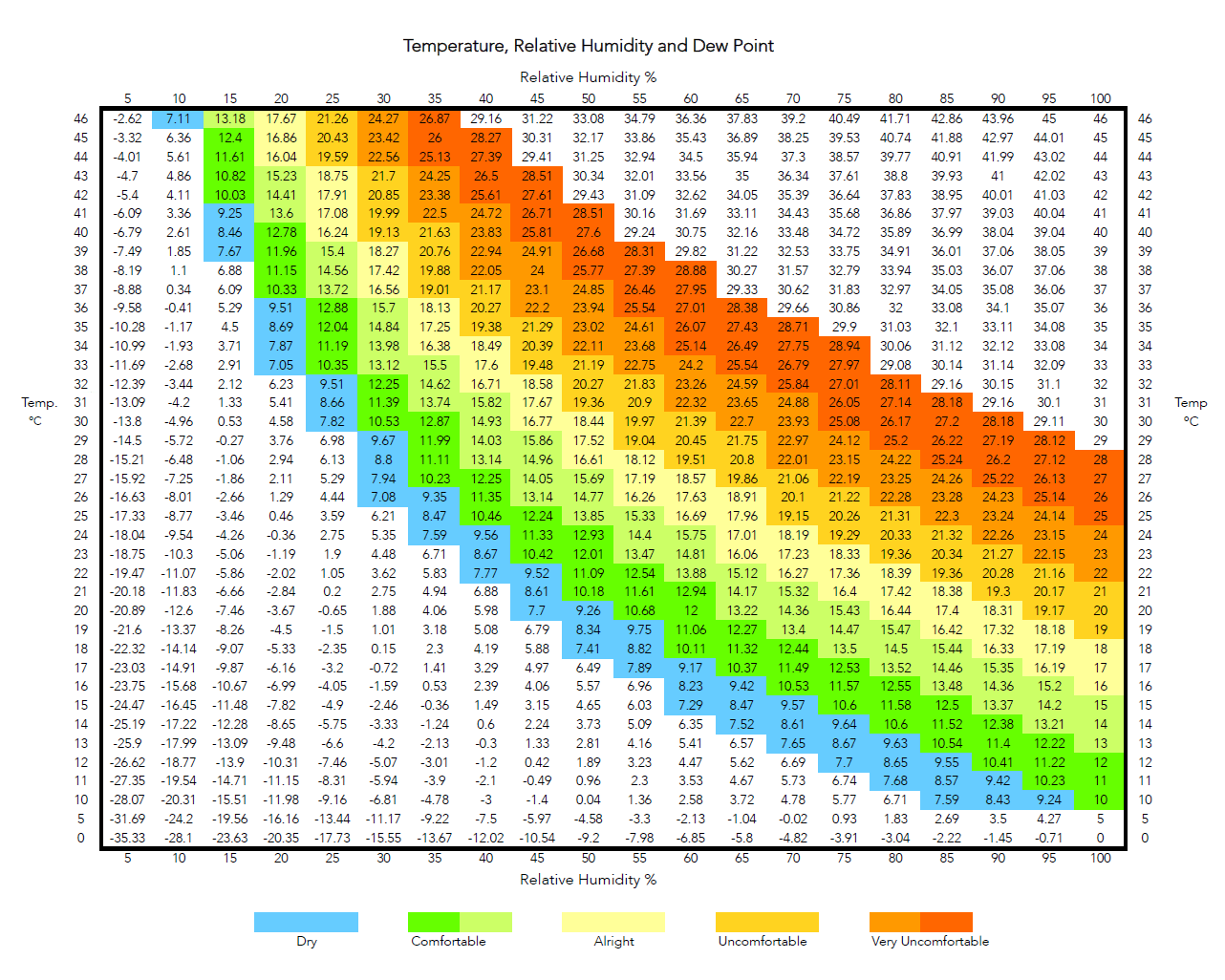
Let’s take a couple of examples. In both cases, the temperature inside our boat is 22°C.
- Case1: The relative humidity is 50% and the dew point is 11°C. Life on board is pleasant, but if the temperature drops to 11°C or less, as can happen at night without heating, we are going to have a serious condensation problem. That is why we have to heat the environment.
- Case 2: The relative humidity is 50%, but we do laundry and hang clothes to dry inside. The relative humidity increases dramatically and soon the time will come when water vapour starts to condense. In this second case we have to remove the humidity. This is easy enough when it is warm and we can open the hatches, but the colder months demand other measures.
How to solve the problem of humidity on board
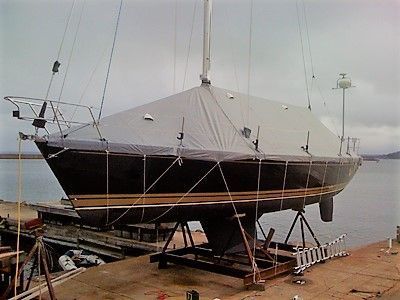
▌No matter how well we have sealed a boat, moisture always finds a way inside. The daily heating and cooling cycle acts like a heat pump: warm air absorbs moisture from outside, which condenses at night when the cabin cools down.
Insulating, heating, extracting
Depending on whether we are in a marina or at anchor, we have different tools and resources at our disposal, but if we want to do things right, the measures to take include:
- Insulating our boat
- Heating the interior
- Extracting the air
As we have just pointed out, the isolation of the ship would be the first intervention to be carried out, but for a better understanding of what comes next, it will be the last point we will deal with.
Heating the interior
The air’s ability to retain moisture increases as it heats up. By heating the interior of the boat, we prevent moisture from condensing on any surface and we are preparing the ground for the next step: extracting the air.
Extract the air
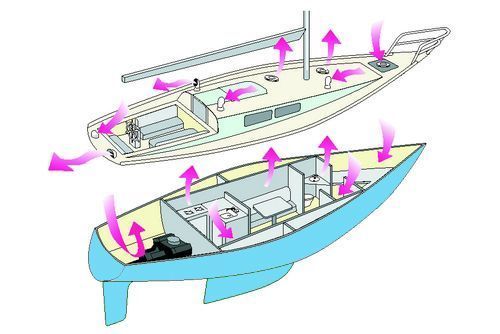
▌Typical circuit of active and passive ventilation systems on a boat.
All the fans in the world are not enough to prevent or reverse condensation.
Passive ventilation is our first ally. Hoses allow wind-driven air to reach the cabin, and deck vents also help circulate it, but neither of these alone is likely to do the trick in all situations.
Solar fans are a better and increasingly popular solution, although it’s not cheap to install several. And remember: all the fans in the world don’t prevent or reverse condensation, they just move air.
Also, one fan isn’t enough. Just as in a house we need to open two windows to create a draft, on a boat we need at least two fans to get the humid air out as the dry air comes in. Manufacturers claim that solar fans can extract about 20-25 m3 of air in good light conditions. And that’s not only good for your boat, it will make getting on board on a hot day much more pleasant.
Of course, there are more powerful electric fans that are powered by the boat’s batteries or by external power when the boat is moored.
In all cases, good ventilation will depend on the location of these accessories: if the entry and exit points are close together, stagnant air pockets will form.
Ventilated cabinets
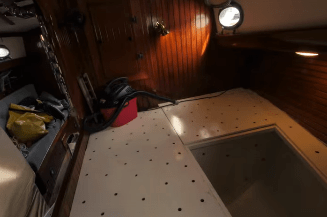
▌Storage under a Pullman bed.
Keeping the cabin ventilated is the most important thing, but all the closed spaces inside must also be ventilated, which must have holes that allow air circulation, as in the picture.
When we are not on our boat, leaving the cabin and closet doors ajar is the easiest, and possibly the best, way to ventilate the closed compartments. To prevent them from banging around when the boat moves, we can lock them with a hook-type latch of a certain weight.
Insulating the boat
The purpose of insulation is to create a layer in which air does not circulate because only stagnant air insulates.
What to insulate first
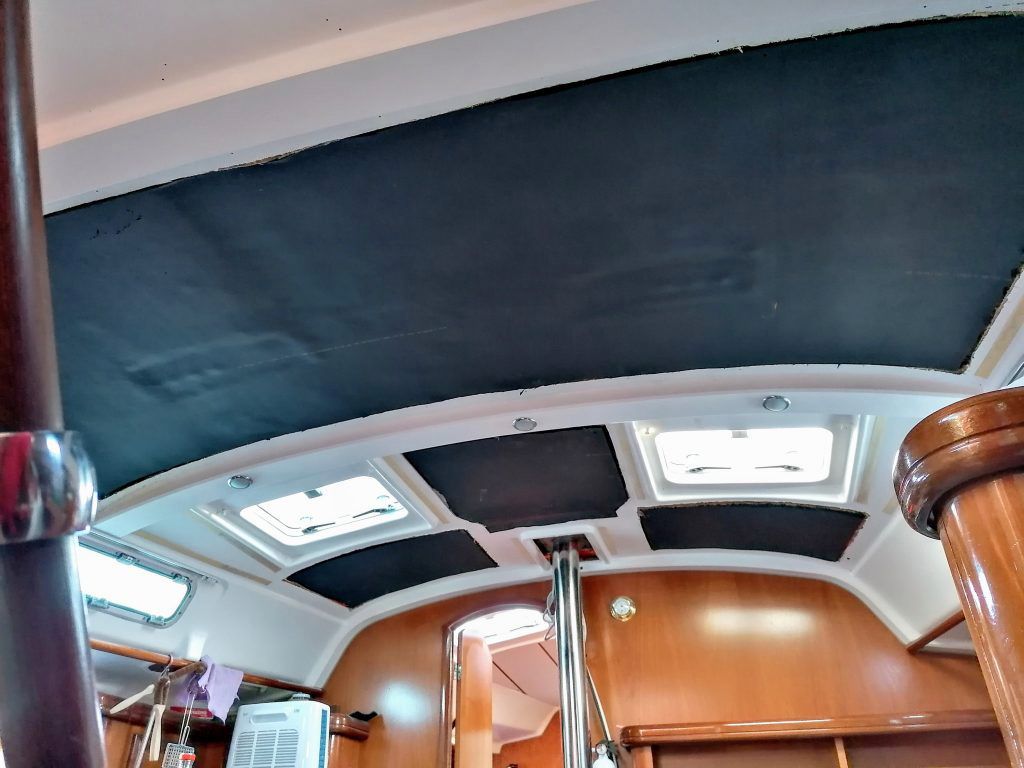
As we all know, warm air is lighter than cold air and rises. Consequently, the roof of the cabin is the first area where condensation will occur; this makes it the first point of intervention to keep the water vapour in the air and be able to extract it.
Insulating the sides is more difficult because of everything that is mounted on them, but if we have the opportunity, it is worth doing it. The more we insulate, the less energy we will spend.
What material to use for boat insulation
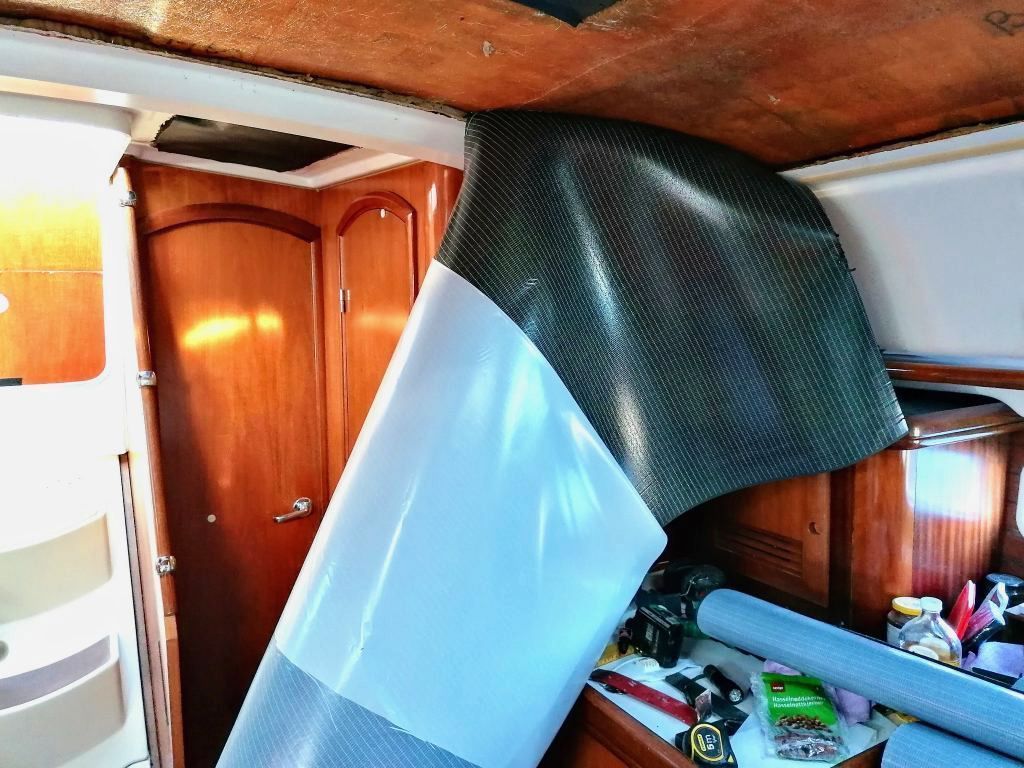
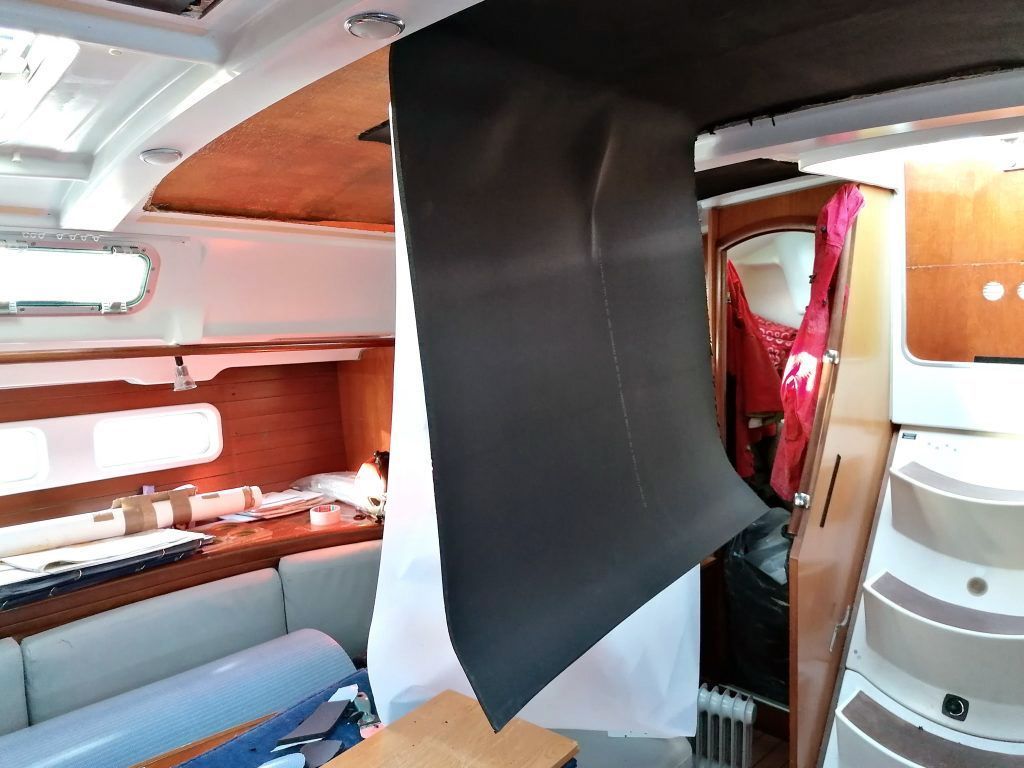
The type of insulation we need is a material with a closed cell structure, which leads us to rule out rock wool or similar. A closed cell structure is the only type of insulation suitable for working on a boat, as it does not absorb water or moisture. There are several useful products for this purpose, and among them one is Armaflex.
Before continuing, note here that we are referring to Armaflex because it is the product we know. There are other alternatives, such as Low-e, Dow and Aerogel, and possibly a few more. From what we understand, the highest quality product, even better than Armaflex, is Aerogel, but we have no experience with it. It is not easy to find and we have not seen or touched it.
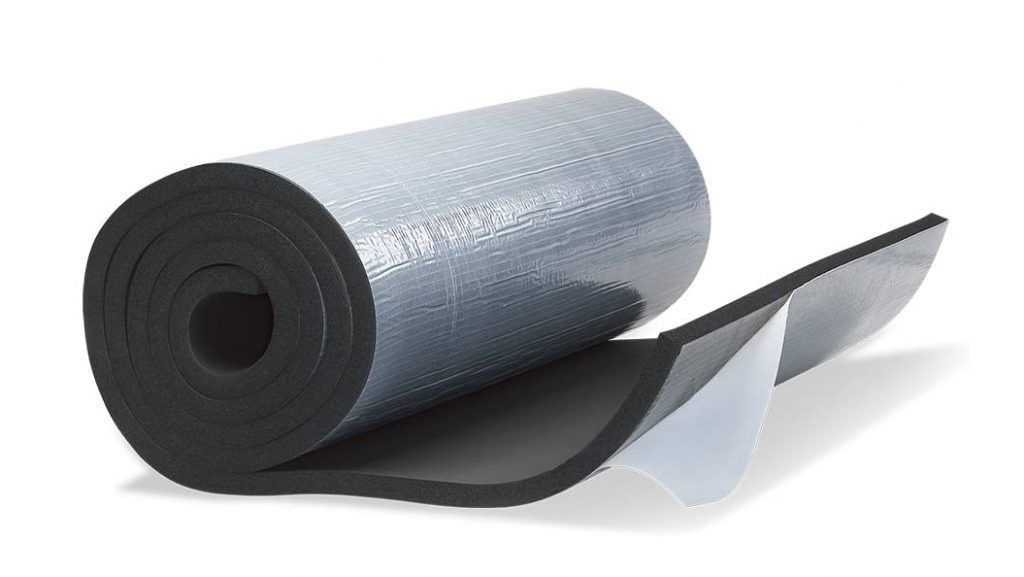
Armaflex is very easy to shape and cut, insulates very well, is suitable for marine use, fire retardant, has antimicrobial properties, can be obtained in the form of self-adhesive rolls and is reasonably priced. In addition, insulation is a job that is done and paid for only once: heating, air conditioning or extractors are a continuous expense. And they are noisy.
STORE
Armaflex 10 mm
Boat Dehumidifiers: How to Choose the Best Option
When you have access to shore power, one of the most powerful tools in your arsenal is the dehumidifier, a device that captures moisture in the air and collects it in a container.
There are two main types: condensate (or compression) dehumidifiers and rotary desiccant dehumidifiers.
Condensate dehumidifiers
They basically use a cold plate to induce condensation by lowering its temperature below the dew point. As such, they are completely useless at ambient temperatures lower than the plate can reach, so if you’ve read somewhere that the solution to dampness or condensation on a boat is a portable dehumidifier, this is something to consider. Condensate dehumidifiers are cheaper and use less energy.
Rotary Desiccant Dehumidifiers
They are effective down to freezing temperatures, but not below.
STORE
Pro Breeze
Condensate

Ivation
Desiccant

Diesel Heaters
Out of port and without power, a dehumidifier is not an option for most boaters. A diesel heater could be the solution to humidity problems at anchor. These devices extract dry air from outside, heat it (making it super dry) and inject it into the boat, where they create an overpressure that forces the hot, humid air out through the ventilation ducts.
TIENDA
Kybolt

Calcium Chloride
None of the above helps? Calcium chloride to the rescue.
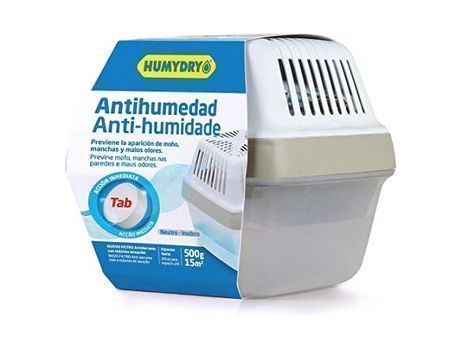
Calcium chloride is a chemical salt that attracts water vapor in the air. It won’t reduce humidity to zero, but it will help keep it under control in the absence of continuous ventilation.
The most economical way to use calcium chloride is to buy it in bulk as de-icing salt. If you do so, remember to read the label carefully and make sure you don’t bring another product used for the same purpose with you. During winter, you can leave several buckets of calcium chloride around the boat. In the spring, you’ll find the dried crystals fused together in a mass of puffy white pellets, possibly in a puddle of water.
STORE
Humydry
- Learn more: How to choose the best sailboat to live on