


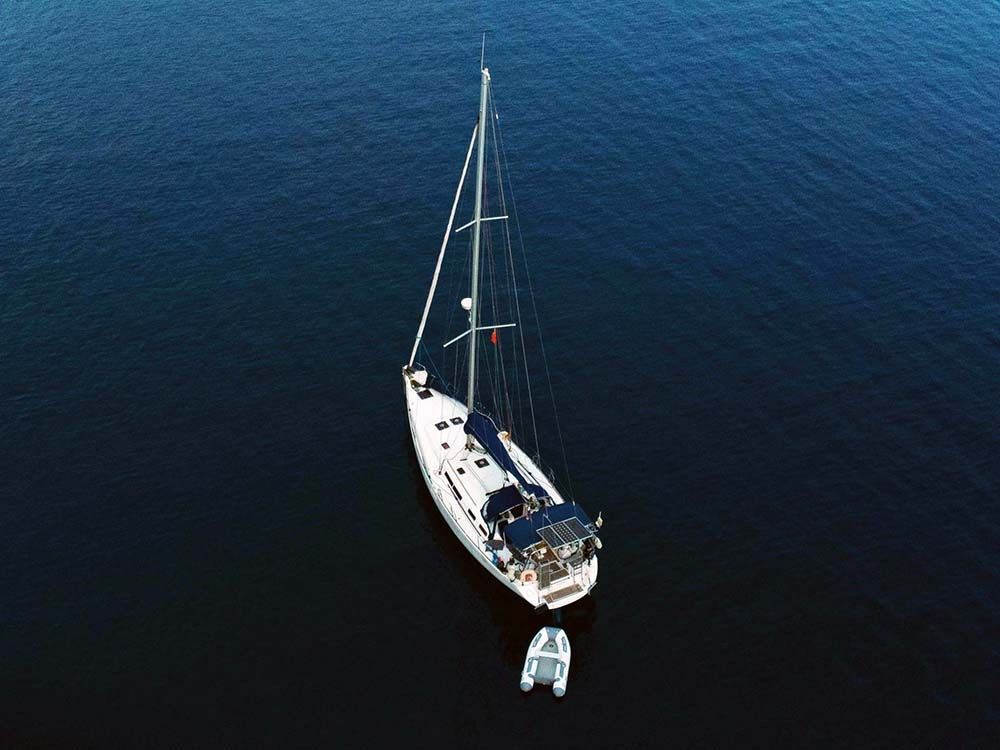
Buying a sailboat can be a way to achieve a simpler, more independent life in closer contact with nature. However, the price of a new sailboat large enough to be comfortable onboard can be intimidating. The good news is that with a reasonable budget—set at $50,000 for the purposes of this article—it’s possible to find used boats that are functional and ready to sail, or that only require minor upgrades.
This guide is intended for those looking for a second-hand sailboat in the U.S. market. Here, you’ll find what you can get under that price point, what type of boat might best suit your needs, and which models stand out across different usage categories.
What Can You Get for Under $50,000?
With a budget of up to $50,000, the second-hand market in the United States offers a wide variety of sailboats—from compact models suited for weekend coastal cruising to more robust vessels capable of ocean passages. Most of the boats in this price range were built between the mid-1970s and the early 2000s, a time when many American manufacturers were producing well-designed, durable, and affordable sailboats.
And here we need to pause, because now that you’ve seen the typical age range, we know what you’re thinking: some of these boats are approaching 50 or even 60 years old. Is it wise to buy a sailboat with that much mileage behind it? As always in these cases, the answer is: it depends.
A well-maintained sailboat can remain perfectly functional after decades on the water, especially if it has received proper care. But it’s also true that 50 or 60 years of continuous use is a long time, and there’s been plenty of opportunity for structural or mechanical wear to build up—issues that aren’t always obvious at first glance. That’s why, more than the model or the year, what truly matters is the boat’s maintenance history, its current condition, and getting a professional survey before purchase.
In terms of size, you’ll most commonly find boats ranging from 26 to 40 feet in length. Smaller models tend to be in better overall condition or require less investment in upkeep, while larger boats offer more living space but come with higher repair and refit costs—especially when it comes to the engine, rigging, or plumbing.

▌Not all boats have received the same level of care. Some have been meticulously maintained by experienced owners, with upgrades to electronics, sails, or onboard living spaces. Others may have been sitting unused at the dock for years, accumulating structural or mechanical issues that aren’t always visible at first glance.
Other factors that affect the real value of a boat include its location (the East Coast usually offers more options than the West Coast), the time of year (off-season prices tend to be better), and whether you buy from a private seller or through a broker. Negotiating well and comparing several options can make a big difference.
Ultimately, $50,000 is a sufficient budget to access capable and safe sailboats, both for recreational sailing and more ambitious projects. But as with any second-hand purchase, the key is knowing how to search, review carefully, and not rush.
Compact and Easy-to-Maintain Sailboats (24–30 feet)
In the 24 to 30-foot range, you’ll find many of the most recommended sailboats for beginners or those looking for a simple, practical, and affordable boat for short-range outings.
Because of their size and weight, these boats are maneuverable, ideal for sailing solo or as a couple, and typically have moderate drafts, allowing access to shallow areas and marinas with depth restrictions. Additionally, their systems—engine, rigging, plumbing, and electrical—are simpler than those of larger sailboats, which translates to lower operating and repair costs.
Sailboats between 24 and 30 feet offer an interesting balance between ease of handling, maintenance cost, and overall functionality
Many models in this category feature basic but adequate interiors for spending one or two nights onboard, including a galley, marine toilet, and a small navigation table. Some even allow for multi-day coastal cruising if the equipment is updated and conditions permit.
They are also an excellent entry point into the world of sailing: they have a large second-hand market, good availability of spare parts and manuals, and often have active owner communities that share tips and experiences.
Notable models:
| Model | Habitability | Maintenance | Performance | Cost | Ideal for | Strengths |
|---|---|---|---|---|---|---|
| Catalina 27 | Good | Low | Adequate, not outstanding | 7,000–15,000 | First sailboat, coastal trips | Very popular, easy spare parts, active community |
| O’Day 28 | Excellent layout | Moderate | Stable, comfortable | 8,000–16,000 | Couples, small families | Great use of interior space |
| Hunter 27 | Spacious for its length | Moderate | Acceptable | 6,000–13,000 | Economical recreational sailing | Affordable price and good habitability |
| Ericson 27 | Adequate | Moderate/high | Agile and good performance | 7,000–14,000 | Those who prioritize performance over comfort | Solid construction and better performance than peers |
Catalina 27

The Catalina 27 is one of the most iconic production sailboats ever built in the United States. Introduced in 1971 by Catalina Yachts, and designed by Frank Butler, it was intended as a comfortable and affordable family cruiser, well-suited for coastal sailing and weekend getaways. The Catalina 27 became a staple of American marinas throughout the ’70s and ’80s, with over 6,600 hulls produced during a production run that lasted until 1991.
- Learn more about the Catalina 27
O’Day 28

The O’Day 28 is a well-balanced cruiser known for its solid fiberglass hull, comfortable cockpit, and surprisingly spacious interior for its size. Built in the 1980s, it offers a forgiving sailing experience, making it a popular choice among weekend sailors and coastal cruisers. Its easy handling and reliable performance appeal to both newcomers and seasoned sailors.
- Learn more about the O’Day 28
Hunter 27

The Hunter 27 is a versatile, easy-to-sail vessel that combines comfort with good light-air performance. Designed for short-handed crews, it features a roomy cabin, practical galley, and stable handling. Its affordability and low maintenance requirements have made it a favorite among budget-conscious sailors.
- Learn more about the Hunter 27
Ericson 27

The Ericson 27 blends classic design with a reputation for seaworthiness. Built to last, it offers good performance in various conditions while maintaining a comfortable interior for overnight trips. This model is often praised for its reliability and solid construction.
- Learn more about the Ericson 27
Other models to explore:
- Islander 28 – Very common, sturdy, and well-regarded among coastal sailors.
- Ranger 26 – Good sailing performance, ideal for solo sailors or couples.
- Columbia 26 MkII – Classic, simple, with a surprisingly comfortable interior.
- Sabre 28 – Better finish and performance than average; the “premium” option in the segment.
- Tartan 27 – Compact, well-built, traditional style.
Family and Weekend Sailboats (30–35 feet)
Sailboats between 30 and 35 feet are one of the most versatile categories: large enough to offer good habitability, but without the costs or complexity of use and maintenance that come with bigger boats. They are an excellent choice for small families, couples looking to do extended coastal cruising, or sailors who want more comfort without sacrificing manageability.
At this length, you begin to find a more complete interior layout: enclosed forward cabin, convertible salon, separate bathroom, “L”-shaped or linear galley, and more generous storage spaces. This allows for trips lasting several days or weeks with a reasonable level of comfort, even for a small crew.
Sailboats between 30 and 35 feet stop being just a means to sail and start to feel like a small floating home
Additionally, these boats often come with inboard diesel engines (more reliable than outboards), larger water and fuel tanks, and somewhat more advanced electrical systems, which significantly improve cruising range. Many are also equipped with autopilot, solar panels, or basic instrumentation, especially if they have been actively used by previous owners.
While maintenance is slightly higher compared to smaller boats—especially on sails, rigging, or anchoring systems—it remains manageable, and thanks to the popularity of many models in this category, parts are generally readily available.
Notable models:
| Model | Habitability | Maintenance | Performance | Cost | Ideal for | Strengths |
|---|---|---|---|---|---|---|
| Catalina 30 | Spacious, ideal for families | Moderate | Balanced and stable | 12,000–28,000 | Extended getaways, occasional liveaboard | Very popular, good interior layout, abundant spare parts |
| Pearson 323 | Comfortable, with large interior volume | Moderate | Solid and reliable | 15,000–30,000 | Comfortable and safe coastal cruising | Robust hull, good autonomy, excellent overall balance |
| Hunter 33 | Very well laid out for its size | Moderate | Adequate, comfort-oriented | 18,000–35,000 | Couples or families prioritizing comfort | Modern design (1990s), bright and functional interiors |
| C&C 34 | Good, though more performance-oriented | Moderate/high | Agile, good sailing performance | 20,000–40,000 | Sailors who prioritize speed without sacrificing comfort | Excellent sailing performance, solid construction, elegant design |
Catalina 30

The Catalina 30 is one of the most popular sailboats ever produced, renowned for its roomy interior and dependable sailing qualities. It’s equally suited for day sailing, coastal cruising, or extended liveaboard life. Its strong resale value speaks to its enduring appeal.
- Learn more about the Catalina 30
Pearson 323
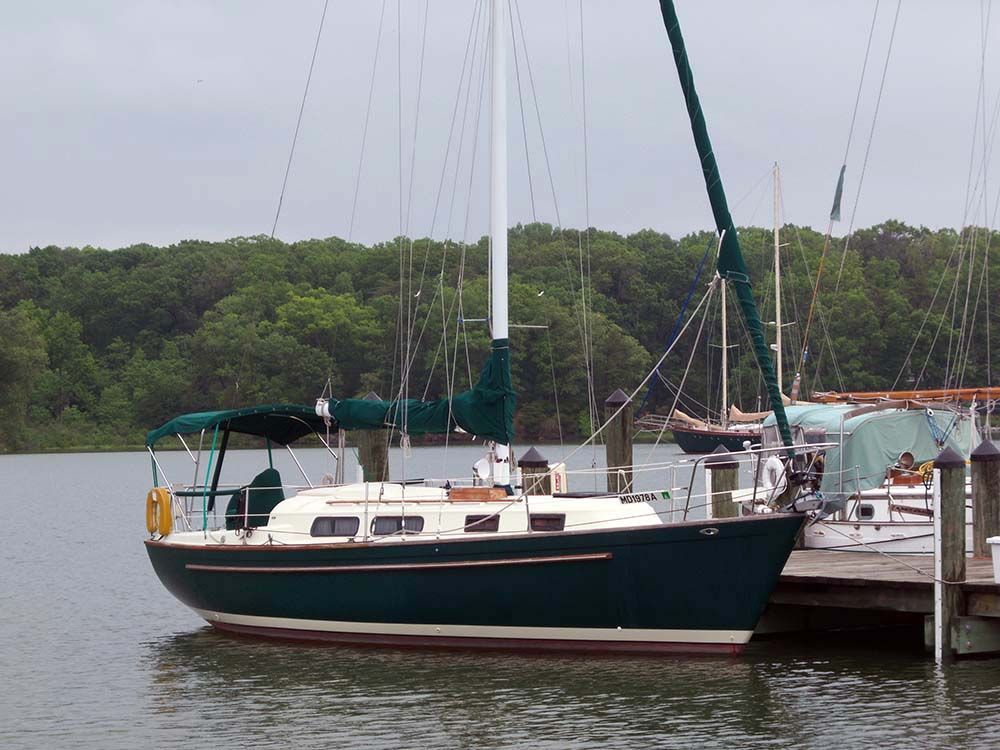
The Pearson 323 is a rugged, cruising-oriented sailboat designed for comfort and offshore capability. Its full keel, ample storage, and well-protected cockpit make it a trustworthy companion for long passages. Many owners appreciate its straightforward systems and low upkeep.
- Learn more about the Pearson 323
Hunter 33

The Hunter 33 is a modern cruiser with a focus on spacious accommodations and ease of handling. Known for its user-friendly rig and generous beam, it delivers both comfort and performance for coastal adventures or extended trips.
- Learn more about the Hunter 33
C&C 34
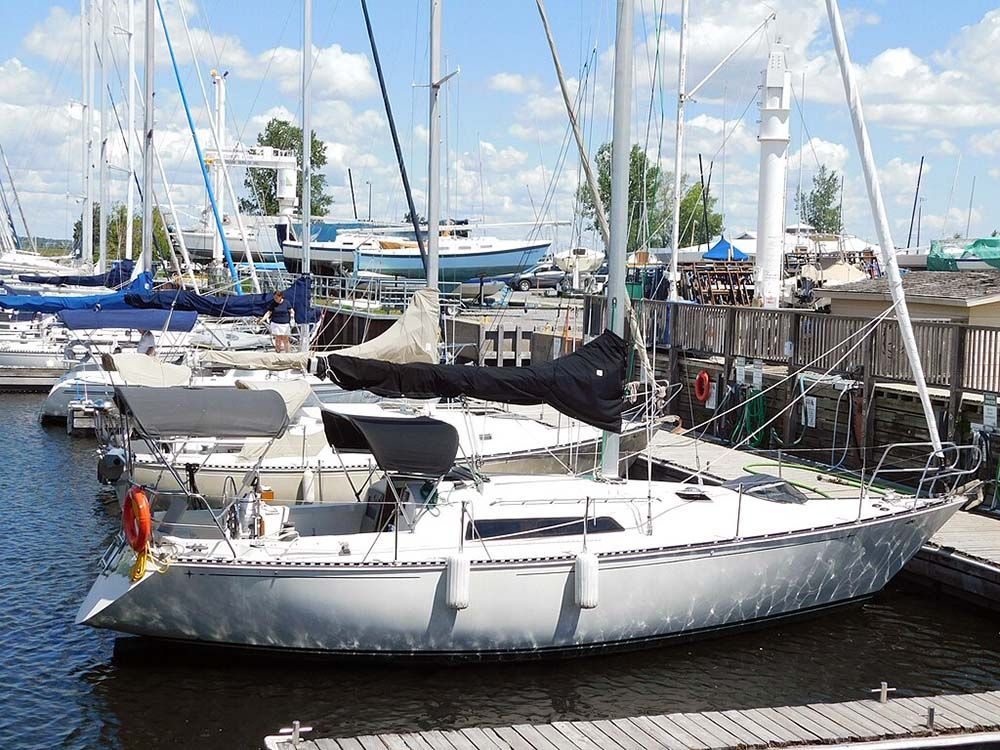
The C&C 34 combines racing pedigree with cruising comfort, offering a sleek hull and responsive helm. Known for its speed and agility, it’s also well-appointed below deck for comfortable living. This balance makes it a sought-after choice for sailors who love both competition and leisure.
- Learn more about the C&C 34
Other models to explore:
- Ericson 32-3 – Excellent balance of comfort, performance, and style.
- Island Packet 31 – High-quality construction, geared toward comfortable cruising.
- Cal 34 – Proven seaworthiness, spacious and easy to maintain.
- Sabre 34 – More of a “fast cruiser” option; stands out in design and performance.
- Beneteau First 32 – European style, good performance, bright interiors.
Economical Ocean Cruising Sailboats (Bluewater)
For those looking to spend long periods onboard, cover greater distances, or prepare for a future ocean crossing, sailboats between 35 and 40 feet offer a significant leap in habitability, autonomy, and storage and loading capacity. These boats allow comfortable living aboard, even for couples or small crews, and are better equipped to handle open sea conditions.
Not every large sailboat is built to cross oceans; the difference lies in how it was constructed… and how it has been maintained
At this length, you’ll find boats with well-equipped interiors: private cabins, spacious saloon, functional galley, full bathroom, and even features that enhance onboard living, such as large water tanks, generators, heating, or marine stoves. Additionally, many models were designed with structural criteria suited for demanding sailing conditions: sturdy hulls, strong decks, powerful engines, and greater capacity to install upgrades like solar panels, additional batteries, or safety equipment.
That said, maintenance also becomes more complex and costly, both because of the size and the onboard systems. Not all boats in this range are the same: some were built as extended coastal cruisers, while others clearly have bluewater cruising characteristics. For this reason, more than ever, it’s wise to thoroughly inspect each model and its history.
Notable models:
| Model | Habitability | Maintenance | Performance | Cost | Ideal for | Strengths |
|---|---|---|---|---|---|---|
| Westsail 32 | Spacious, trawler-style | High | Very stable but slow | 30,000–50,000 | Slow but safe ocean cruising | Extremely robust construction; legendary reputation |
| Albin Vega 27 | Limited but functional | Low | Surprisingly capable | 10,000–18,000 | Solo sailors or couples on a budget | Has crossed oceans; easy to maintain |
| Cape Dory 30 | Classic, cozy, well laid out | Moderate | Seaworthy, good upwind performance | 22,000–38,000 | Serious cruising with classic style | Traditional design, very reliable in bad weather |
| Pacific Seacraft 34 | Very good for its length | Moderate/high | Balanced and reliable | 40,000–55,000 | Long trips, even solo | Superior build quality; bluewater reputation |
Westsail 32

The Westsail 32 is a legendary bluewater cruiser, famous for its toughness and long-distance voyaging capability. Its heavy displacement, full keel, and seaworthy design make it a trusted choice for ocean passages. Many circumnavigators have relied on this model.
- Learn more about the Westsail 32
Albin Vega 27

The Albin Vega 27 is a compact yet remarkably capable offshore cruiser. Its Scandinavian build quality and proven ocean-crossing record have earned it a loyal following among adventurous sailors. Simple systems and efficiency are key traits of this boat.
- Learn more about the Albin Vega 27
Cape Dory 30

The Cape Dory 30 is a traditional full-keel cruiser built with classic lines and exceptional craftsmanship. It is valued for its solid build, predictable handling, and comfortable motion at sea. This boat offers timeless appeal for serious sailors.
- Learn more about the Cape Dory 30
Pacific Seacraft 34
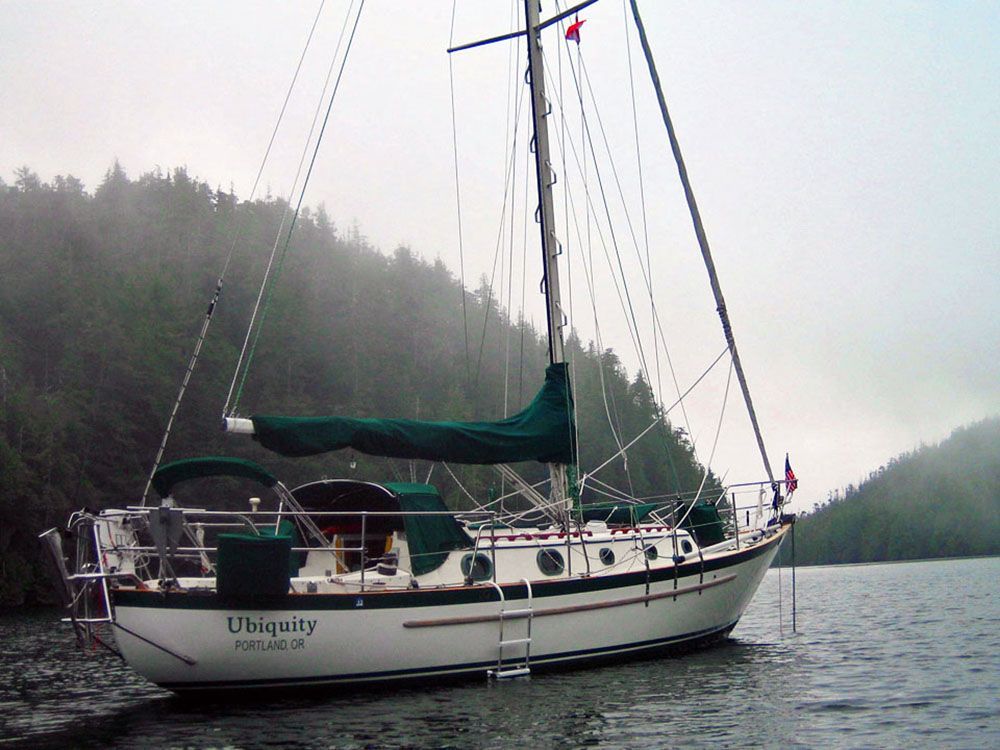
The Pacific Seacraft 34 is a world-class bluewater yacht known for its robust construction and sea-kindly design. Built for long voyages, it offers excellent storage, safety features, and a comfortable interior for extended living aboard.
- Learn more about the Pacific Seacraft 34
Other models to explore:
- Tayana 37 – Traditional looks, great reputation in the bluewater community.
- Valiant 32 – Reinforced structure and a “serious cruising” spirit.
- Allied Seawind 30 – One of the first steel sailboats to circumnavigate the globe.
- Hans Christian 33T – Sturdy, very habitable, with unmistakable style.
Sailboats Ready for Liveaboard (Though Limited)
With a budget of up to $50,000 USD, we’re not talking about modern catamarans or luxury yachts. However, it is possible to find sailboats between 36 and 40 feet, built in the 1970s and 1980s, with spacious interiors and enough features to allow for comfortable living aboard—at least partially or for extended periods.
These boats are not designed for long ocean crossings but offer reasonable habitability, storage capacity, and energy autonomy. Many models in this segment were intended for extended coastal or Caribbean cruising, and if well maintained, they can be an excellent base for a simple liveaboard lifestyle project without exceeding the budget.
That said, maintenance on these boats is no small matter: they are often decades old, and their systems (electrical, sanitary, engine) may require updates or replacements. It’s also important to pay attention to the condition of the rigging, engine, and interior, as many of these vessels have spent years unused or with partial refurbishments.
Notable models:
| Model | Habitability | Maintenance | Performance | Cost | Ideal for | Strong points |
|---|---|---|---|---|---|---|
| Endeavour 37 | Very spacious, separate cabins | Moderate/high | Adequate for cruising | 28,000–45,000 | Liveaboard in port or coastal cruising | Spacious interiors, good volume/price ratio |
| Morgan 38 (1970s–80s) | Very good, classic style | Moderate | Seaworthy, reliable | 30,000–50,000 | Long-term cruising, simple living | Strong reputation, good handling and comfort |
| Gulfstar 36 | Spacious salon and aft cabin | High if not renovated | Comfortable, cruise-oriented | 25,000–42,000 | Couples or crews prioritizing comfort | Comfortable layout, ideal for liveaboard |
Endeavour 37
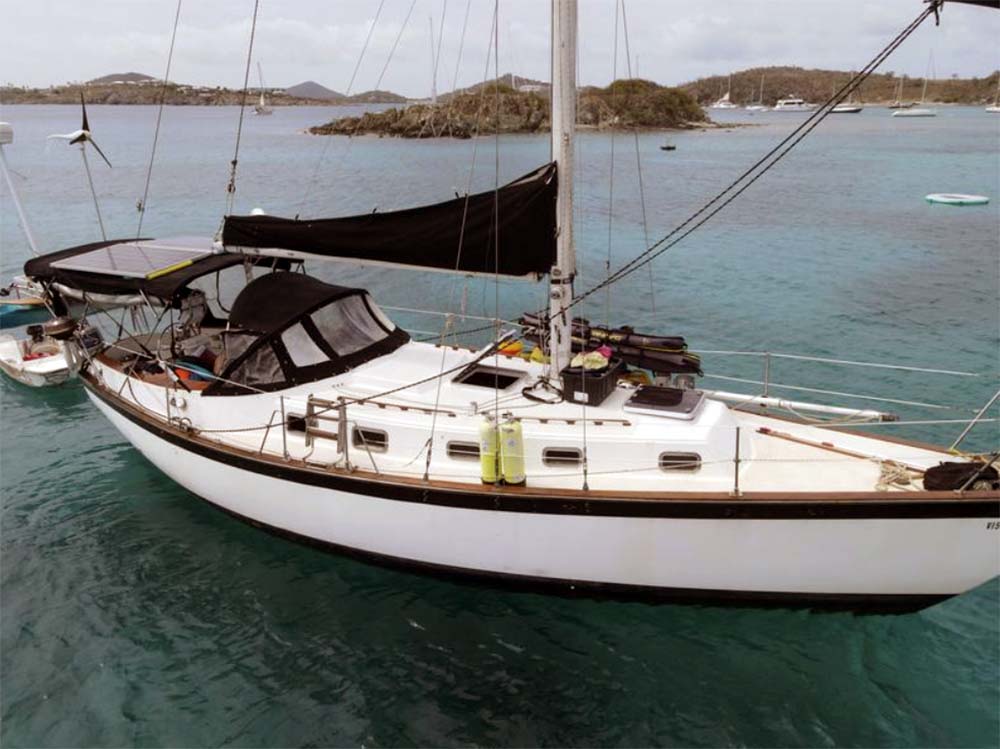
The Endeavour 37 is a spacious cruiser designed with liveaboard comfort in mind. It offers a stable ride, a large interior, and the strength needed for offshore sailing. Its layout and storage capacity make it appealing to long-term cruisers.
- Learn more about the Endeavour 37
Morgan 38

The Morgan 38 from the 1970s–80s is a sturdy and comfortable cruiser with a reputation for handling bluewater passages. Its balanced sail plan and roomy accommodations make it equally suitable for extended cruising or weekend escapes.
- Learn more about the Morgan 38
Gulfstar 36

The Gulfstar 36 offers a blend of performance and comfort, with a well-appointed interior and solid fiberglass construction. Designed for both coastal and offshore use, it’s known for reliability and livability.
- Learn more about the Gulfstar 36
Other models to explore:
- Irwin 37 – Very spacious, common in the Caribbean, ideal for living in port.
- Cal 34 or Cal 35 – Comfortable interior, good ventilation, reasonable cost.
- Pearson 365 – Excellent interior volume, good reputation as a liveaboard boat.
- Allied Princess 36 – Ketch with a good layout for living aboard.
- Island Packet 32 or Island Packet 35 – Compact but very habitable; premium construction.
Factors to Consider Before Buying
Buying a used sailboat is not just about the price. Here are some critical aspects you should check or inspect:
- Standing and running rigging: Replacing the wiring of a mast can cost several thousand dollars.
- Engine: Is it original? Does it work properly? Has it been rebuilt?
- Sails: A new set can cost several thousand. Assess their condition.
- Hull: Look for osmosis, cracks, or signs of structural repair.
- Electrical and plumbing systems: Often old and may require complete renovation.
- Additional equipment: Solar panels, autopilot, electronics… every addition counts.
► You might be interested in: Guide to Inspecting a Used Sailboat
Conclusion
With a budget of up to $50,000, it is perfectly possible to acquire a solid, functional sailboat capable of providing great satisfaction on the water. Whether for weekend coastal trips, extended cruises, or even liveaboard projects, the used boat market in the United States offers a wide variety of models with good reputation, reliable construction, and adaptability to different needs.
That said, choosing well is not a matter of luck. It requires research, judgment, and realism: the clearer you are about your sailing style—and your willingness to invest time and resources in maintenance—the better your choice will be.
In this price range, more than looking for the perfect boat, it’s about finding one well maintained, that fits you, and doesn’t limit you. And that, with some patience and knowledge, is totally within reach.