


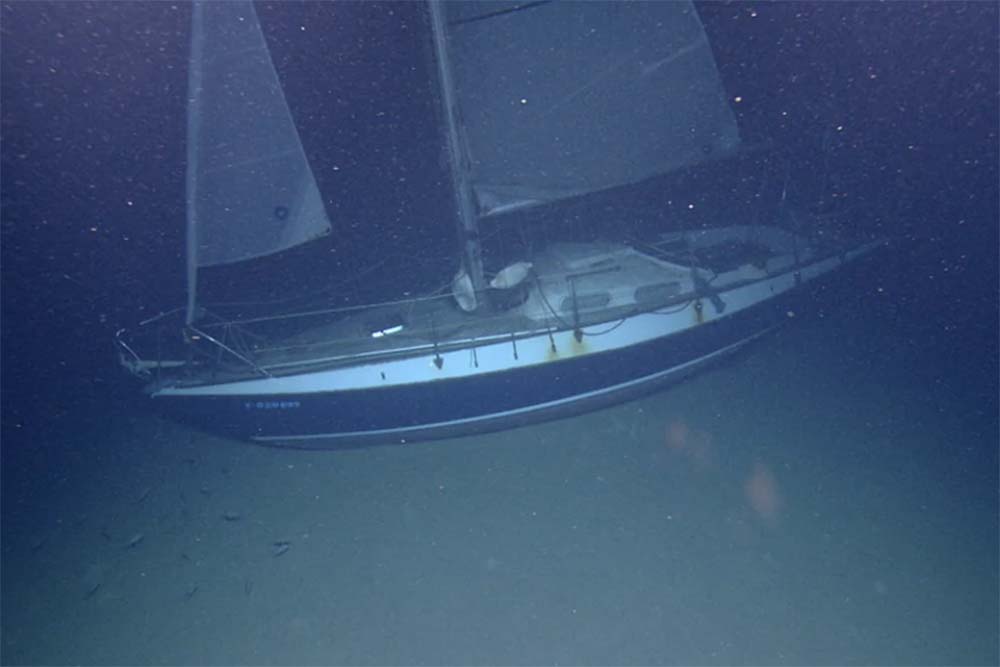
The concept of “unsinkability” in the nautical world often sparks both interest and skepticism. Is it truly possible for a sailboat to be designed in such a way that it can never sink? While some vessels are marketed as unsinkable, real-world events cast doubt on the accuracy of this term — as recently illustrated by the sinking of the Bayesian off the coast of Sicily. In this post, we’ll explore what these sailboats are really like, their features, limitations, and the myths that surround them.
Design Principles
The unsinkability of a sailboat is not based on the idea that it will never suffer damage, but rather on the premise that, even when severely damaged, it will still retain buoyancy. This is achieved through the materials used in its construction, the presence of watertight compartments, and careful weight distribution:
- Materials: These sailboats typically incorporate low-density materials in critical hull areas, such as rigid foam, which does not absorb water and helps preserve buoyancy in the event of flooding.
- Watertight Compartments: These are sealed and isolated sections of the hull that, in the case of a breach, prevent water from spreading throughout the boat.
- Weight Distribution: Proper balance between the boat’s weight and its buoyancy ensures that, even if partially flooded, it remains relatively stable and avoids capsizing.
None of these features make a sailboat invulnerable, but they significantly increase the chances of surviving an accident safely.
Advantages of Unsinkable Sailboats
These vessels offer several significant advantages compared to traditional designs. One of the most notable is the added safety in emergency situations: when an accident occurs—such as the opening of a leak—the crew has extra time to call for help, organize an evacuation, or carry out emergency repairs.
Another key benefit is the peace of mind it offers to sailors, who know that even in the worst-case scenario, sinking is not immediate. This is particularly valuable during long passages or in adverse sailing conditions, where the stress of uncertainty increases the likelihood of mistakes. Unsinkable sailboats allow us to focus more on solving immediate problems and worry a little less about the boat going down.
Additionally, these boats are designed to offer greater resistance to minor damage that, under other circumstances, could escalate into more dangerous situations. In the face of significant water ingress, a conventional sailboat could quickly lose buoyancy. However, the design features of an unsinkable sailboat increase the chances that the vessel will stay afloat—even in the event of major leaks. This means an accident that might be catastrophic in a conventional yacht becomes a manageable inconvenience in an unsinkable one.
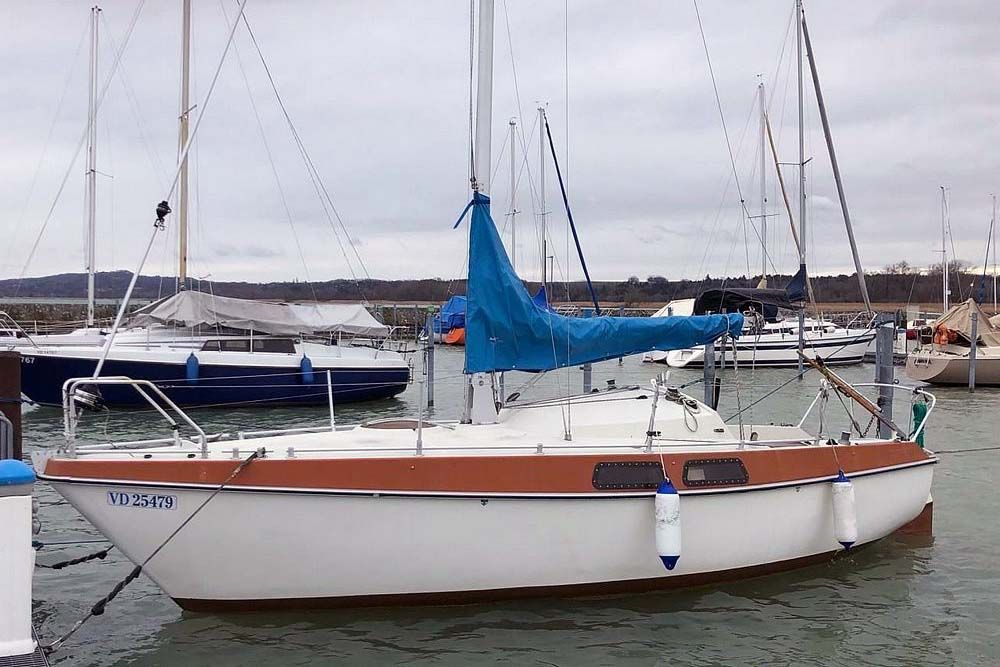
▌In the 1960s, the first sailboats with watertight compartments and rigid foam began to be designed. One example is the Etap 22, one of the earliest models marketed as unsinkable..
Limitations and Common Myths
Despite the advantages listed, these vessels are not indestructible. One of the main risks is extreme damage. If the hull suffers an impact severe enough that the extent of the damage exceeds the capacity of the flotation materials and watertight compartments, not even an unsinkable design can guarantee the survival of the sailboat.
Extreme weather conditions present another significant challenge. Although unsinkable sailboats are built to withstand high levels of stress, severe weather events such as hurricanes or major storms can be a difficult test even for them. Large waves combined with very strong winds generate forces that can irreparably damage the boat, no matter how advanced its flotation systems are.
All this makes it advisable to discard the mistaken idea that unsinkable sailboats, true to their name, cannot sink—an idea that can create a false sense of security. As is well known, this can quickly lead to reckless behavior. The reality is that unsinkability is designed for certain situations and non-catastrophic accidents. While an unsinkable sailboat offers greater protection in normal conditions or manageable emergencies, it cannot guarantee infinite buoyancy in every possible circumstance.
Conclusion
Unsinkable sailboats represent a significant improvement in nautical safety, offering sailors a greater chance of survival in emergency situations. Although they are not completely immune to sinking, their design allows them to better withstand challenges compared to conventional sailboats.
It is likely that we will see significant advancements in this field in the coming years. However, sailors must remember that while an unsinkable sailboat provides an extra layer of safety, it is not an absolute guarantee against the dangers of the sea.