


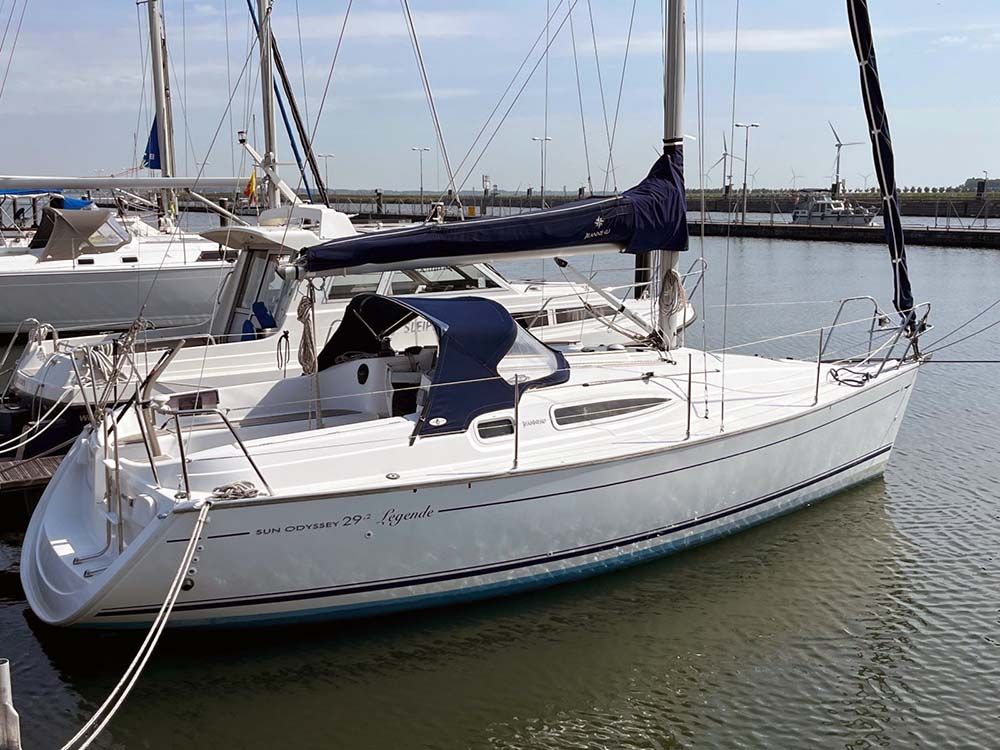
The Jeanneau Sun Odyssey 29.2 is a compact family cruiser introduced in the late 1990s and conceived primarily for comfortable coastal and short offshore cruising rather than serious club racing. Designed by Jacques Fauroux and built by Jeanneau beginning around 1997, the model was aimed at sailors who wanted a manageable, shoal-capable boat with the feel of a larger yacht—an easy-to-handle platform for couples or small families who value space, a protected cockpit and straightforward systems. The design found a steady audience in the resale market: hundreds were built and the type remains visible on the used-boat listings in Europe and, more sporadically, in the U.S., where it suits private owners and seasonal cruisers more than heavy charter fleets.
Design and Construction
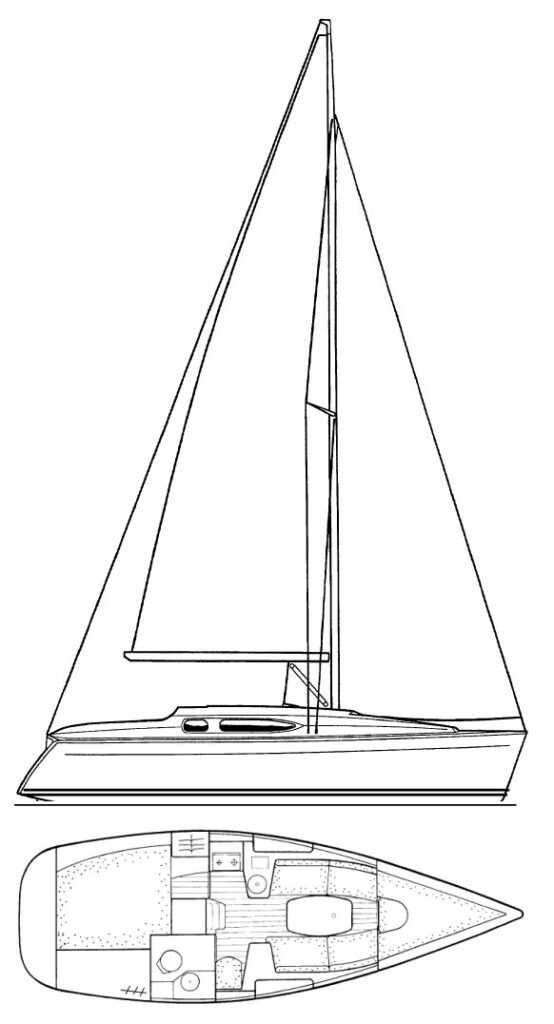
The Sun Odyssey 29.2 is a fiberglass monohull with a fin keel (often a weighted bulb) and a spade rudder, a combination that favors responsive helm feel and reasonable draft for coastal anchorages. It was offered with a fractional sloop rig, a layout that simplifies headsail handling and keeps center-of-effort moderate—useful for short-handed crews. The hull and deck are polyester fiberglass with an emphasis on producibility and weight control; Jeanneau focused on an efficient interior-to-length ratio so the boat feels roomier below than its LOA might suggest. These choices trade off ultimate offshore robustness for easier maintenance and lower purchase price: fiberglass hulls from this era are repairable and relatively straightforward to survey, but like most production boats they require attention to deck fittings, chainplate areas and gelcoat care to avoid leaks or delamination over decades of use. From an architectural point of view the Sun Odyssey 29.2’s ballast-to-displacement ratio (around mid-30s percent) and moderate beam produce a boat that heels predictably and recovers quickly—attributes buyers notice both at sea and in resale valuation.
Performance
Under sail the 29.2 is best described as comfortable and honest rather than sporty: its hull speed is in the mid-6-knot range (roughly 6.7 knots theoretical hull speed), and in 10–18 knots of true wind it will make steady progress without surprises. The fractional sloop and moderate ballast provide good balance for upwind work—she points reasonably and keeps drive through chop—and the spade rudder gives direct steering that helps when tacking or maneuvering in tight anchorages. In very light airs the boat is, predictably, a slow mover compared with lighter, performance-oriented 30-footers; in a chop or confused seas the comparatively narrow beam for modern standards helps her slice through waves rather than pound. Compared with classic 30-foot cruisers (Catalina 30, Hunter 29.5, Dufour 30), the Sun Odyssey 29.2 tends to feel a touch firmer on her lines and a bit more modern in underwater shape, trading some interior volume for slightly better seakeeping and helm feedback—useful qualities if you plan to cruise evenings and weekends in variable coastal conditions.
Comfort and Accommodations
Below decks the Sun Odyssey 29.2 makes smart use of its length: layouts typically come with a forward V-berth, a small head, and a convertible saloon that together allow comfortable sleeping for four in a pinch, while a compact galley and reasonable storage make short-term cruising straightforward. The interior finish is production-class teak or light joinery—warm and practical but not overly luxurious—which ages well if maintained (onenote: teak varnish and brightwork are the visible maintenance items most buyers notice). Ventilation and natural light are acceptable for its size, though tall crews will feel the limits of headroom on multi-day passages. For a couple or a small family planning weekend or week-long coastal trips, the 29.2 offers a usable mix of cabin privacy and cockpit space; for live-aboard plans or extended blue-water cruising, owners commonly upgrade systems and storage or opt for a larger hull.
Safety and Practicality
Safety aboard the 29.2 is rooted in simplicity: a protected cockpit with high coamings and good bracing points, straightforward deck layout, and an optional wheel or tiller make short-handed work realistic. Access to the water is generally easy via a low bathing platform or transom arrangement (depending on year/options), and the moderate displacement and ballast ratio make for predictable, forgiving behavior when overcanvased. Systems and service points (engine access, seacocks, tanks) are typical of production boats of the era—reasonably accessible but sometimes tight—so routine maintenance is manageable for a competent owner but occasional professional help (for through-hull work, standing-rigging checks, or major engine service) is often necessary. As-is, the boat is best thought of as a coastal or limited offshore cruiser; serious passage-making will require careful inspection and likely selective upgrades to safety gear, through-hulls and communications.
Known Issues with the Jeanneau Sun Odyssey 29.2
Owners’ discussions and service reports for the Sun Odyssey family point to a few recurring themes that prospective buyers should watch for. Engine items tied to common small Yanmar diesels (fuel system sensitivity, exhaust-elbow corrosion and marine raw-water cooling issues) show up across many older small cruisers and are well-documented—regular inspection of the exhaust elbow and raw-water strainer is a practical preventive measure. Chainplate/deck-fitting leaks, rudder-bearing wear and occasional water ingress around cockpit fittings are among the common maintenance-driven problems rather than fundamental design showstoppers, and many owners report reasonable long-term ownership with typical repair cycles. Osmotic blistering is a generic risk for fiberglass boats kept in the water for decades; while not specific to every 29.2, buyers should suspect and inspect for gelcoat blisters or soft spots on older, continuously-submerged hulls. Typical recommended improvements found in owner threads and refit lists include renewing standing rigging on schedule, checking and renewing rudder bearings or the emergency-tiller packing, replacing older propellers with a balanced three-blade folding or feathering prop for better under-sail performance, and upgrading electronics to modern chartplotter/communications packages.
Market Availability and Pricing in the U.S.
The Sun Odyssey 29.2 is out of production and circulates exclusively on the used market; most examples on sale today are from the late 1990s through the early 2000s. Listings tend to concentrate where small cruisers are actively bought and sold: Florida and the Southeast, parts of New England, and pockets on the West Coast—though actual Sun Odyssey 29.2 listings are currently more common in Europe than in the continental U.S., so availability in the U.S. can be hit or miss and sometimes requires brokerage transfer or transport. Recent international listings cluster in a band roughly between $18,000 and $45,000 depending on year, gear, and condition—prices toward the low end for boats with minimal systems and toward the high end for well-refit examples with new sails and electronics. In comparison to similar 29–31-foot cruisers the Sun Odyssey 29.2 typically represents a good value for buyers seeking a modern-styled hull with decent seakeeping, though its resale market is narrower than mainstream American classics and can be regionally concentrated.
Below is a comparison with similar sailboats from the same era:
| Model | LOA | Approx. Years Built | Typical Used Price (U.S.) | Main Differences / Notes |
|---|---|---|---|---|
| Jeanneau Sun Odyssey 29.2 | ~28.9 ft | 1997–2008 | $18,000–$45,000 | Modern European hull lines, fractional rig, good helm feel; circulation stronger in Europe. |
| Catalina 30 | ~30 ft | 1970s–1990s (various marks) | $10,000–$40,000 | Roomy interior for the length, simple systems, strong U.S. resale market; older designs, heavier feel. |
| Hunter 29.5 / 290 | ~29.5 ft | 1990s–2000s | $15,000–$35,000 | Often built for trailerable/near-coastal use with user-friendly deck gear; variable build quality by year. |
| Dufour 30 Classic | ~30 ft | late 1990s–2000s | $12,000–$35,000 | European cruising focus, generally efficient hulls and higher standard of finish on some refits; less common in U.S. market. |
Jeanneau Sun Odyssey 29.2 vs Catalina 30

The Sun Odyssey 29.2 presents a more modern European hull shape and a fractional rig that favors easier headsail handling and slightly crisper performance upwind, while the Catalina 30 emphasizes interior volume and straightforward systems that many American buyers find comfortable and forgiving. The Sun Odyssey’s construction and deck layout usually give a firmer feel under sail and a slightly more protective cockpit, whereas the Catalina’s roomy salon and larger lockers often win for weekend family cruising and heavier provisioning.
From an ownership perspective the Catalina 30 benefits from a huge parts and expertise network in the U.S., often translating into lower time-to-repair and easier sourcing; the Sun Odyssey can offer better seakeeping in confused seas and a modern feel, but buyers should be prepared for more regionally concentrated marketplaces and to manage some Europe-style fit-and-finish items.
► Learn more about the Catalina 30
Jeanneau Sun Odyssey 29.2 vs Hunter 29.5

Compared with the Hunter 29.5, the Sun Odyssey 29.2 tends to be stiffer and slightly more performance-oriented under sail, thanks to its hull form and ballast ratio, while the Hunter often prioritizes cockpit ergonomics and ease of use for club-level or family day sailing. The Hunter’s deck and hardware layouts can be very user-friendly for a less experienced crew, but the Jeanneau often gives a better helm feel and windward performance—qualities that matter if you expect to do longer coastal hops rather than only marina-based weekend sailing.
Maintenance philosophies diverge too: Hunters of the era often have simple systems that are cheaper to keep running in the U.S., while the Sun Odyssey may demand a bit more attention to European-style fittings and occasional structural checks (rudder bearings, chainplates), though neither model is particularly exotic to service.
► Learn more about the Hunter 29.5
Jeanneau Sun Odyssey 29.2 vs Dufour 30 Classic
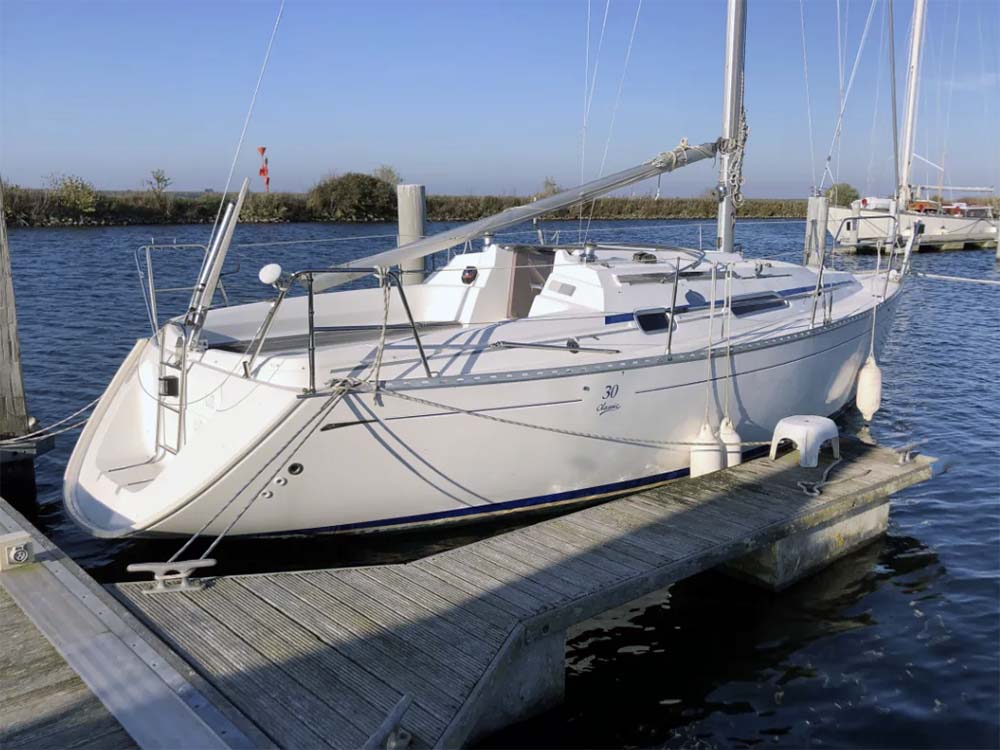
The Dufour 30 Classic is a close European peer: both boats favor efficient hull lines and maximize accommodation within a compact LOA, but the Sun Odyssey often offers a slightly more conservative interior layout and a focus on cockpit protection. Dufour builds from the same era can feel a touch more performance-lean in standard setups, which some buyers prefer for faster coastal passages, while the Jeanneau skews toward balanced handling and greater cabin usability for family cruising.
When comparing ownership costs and resale, the two trade blows: Dufour examples in good condition command competitive prices in Europe and among owners who prize sail performance, whereas the Sun Odyssey’s broad build run and Jeanneau dealer footprint historically provide reliable parts and a predictable second-hand market—factors that tilt the practical buyer decision toward whichever boat better matches intended use (more performance vs. more comfort).
► Learn more about de Dufour 30 Classic
Maintenance Costs of a Jeanneau Sun Odyssey 29.2 in the U.S.
Here is a practical, itemized sense of annual and periodic maintenance costs you should budget for (ranges are U.S.-oriented and assume mooring/usage typical for coastal cruisers):
- Mooring / Slip fees — $1,200–$7,000/year depending on region (Marina slips in Florida/New England vs. less expensive anchors or small harbors).
- Insurance — $400–$1,200/year for basic coverage; higher near hurricane zones or for higher agreed value.
- Engine servicing (annual) — $300–$900/year (oil, filters, raw-water pump checks; more if injector work or exhaust elbow replacement is needed).
- Antifouling / haulout — $500–$2,000 every 1–2 years depending on paint and labor rates (regional variation is large; Northeast haulouts cost more than many Southern yards).
- Standing & running rigging (inspection/repairs) — $0–$500/year for inspections; full standing-rigging replacement every 10–15 years often $1,500–$4,000.
- Sails (maintenance/replacement) — $100–$500/year routine care; replacement genoa or main $1,500–$6,000 depending on cloth and cut.
- Electronics & batteries — $100–$600/year for batteries/instrument service; upgrades to plotter/communications can be $1,000–$5,000 one-time.
- Hull/gelcoat and small repairs — $200–$2,000/year on average; osmosis treatment or significant fiberglass work is a larger capital cost (often >$5,000).
Region matters: marina and haulout prices are highest in New England and parts of California, insurance and hurricane prep add costs in the Southeast, and yard labor rates drive long-haul refits higher on the West Coast. Significant one-time costs to plan for include sail replacement, rig replacement, major engine overhauls, and any substantial hull barrier-coating or osmosis work. Much routine maintenance on a 29.2 — oil, filters, through-hull inspections, varnish touchups, cleaning — can be owner-performed with reasonable mechanical skill; hull structural issues, complex electrical, and major engine work usually require professionals. Overall, for a boat this size and role expect moderate annual running costs relative to similarly sized cruisers; the amount you pay in upkeep will correlate directly with how original or refitted the specific boat you buy is, and sensible maintenance greatly aids resale value.
Conclusion
The Sun Odyssey 29.2 is a thoughtful small cruiser that balances handling, accommodation and cost in a way that makes it a strong candidate for couples or small families who want an easy-to-manage coastal cruiser with honest seakeeping. Its strengths are a pleasant helm, a protected cockpit and a more modern European hull shape that pays dividends in real wind and sea conditions; its weaknesses are the same maintenance watch-lists every buyer of a two-decade-old production boat must accept—engine service items, chainplate/deck-fitting checks, and the occasional refit expense. If your goal is weekend cruising, seasonal coastal passages and a boat you can maintain without an armada of specialists, the Sun Odyssey 29.2 is worth seeking out—particularly if you find an example with a recent engine service, newer standing rigging and tidy electronics. For buyers focused on resale liquidity in the U.S., be aware the market for this exact model is smaller than for some American classics, but for the right buyer the combination of handling and usable accommodation represents good value and a sensible platform for comfortable coastal cruising.
Specifications
| Hull Type | Fin w/bulb & spade rudder |
| Rigging Type | Fractional Sloop |
| LOA | 28.87 ft / 8.80 m |
| LWL | 25.26 ft / 7.70 m |
| S.A. (reported) | 428.40 ft² / 39.80 m² |
| Beam | 9.78 ft / 2.98 m |
| Displacement | 6,283 lb / 2,850 kg |
| Ballast | 2,227 lb / 1,010 kg |
| Max Draft | 4.59 ft / 1.40 m |
| Construction | GRP |
| First Built | 1997 |
| Last Built | 2008 |
| Builder | Jeanneau (FRA) |
| Designer | Jacques Fauroux |
Auxiliary Power / Tanks (orig. equip.) | |
| Make | Yanmar |
| Model | 2YM20 |
| Type | Diesel |
| HP | 21 |
| Fuel | 12 gals / 45 L |
Accommodations | |
| Water | 26 gals / 100 L |
Sailboat Calculations | |
| S.A. / Displ. | 20.19 |
| Bal. / Displ. | 35.44 |
| Disp. / Len. | 174.03 |
| Comfort Ratio | 17.68 |
| Capsize Screening Formula | 2.12 |
| S# | 3.03 |
| Hull Speed | 6.73 kn |
| Pounds/Inch Immersion | 882.71 pounds/inch |
Rig and Sail Particulars | |
| I | 34.12 ft / 10.40 m |
| J | 10.24 ft / 3.12 m |
| P | 33.79 ft / 10.30 m |
| E | 10.99 ft / 3.35 m |
| S.A. Fore | 174.69 ft² / 16.23 m² |
| S.A. Main | 185.68 ft² / 17.25 m² |
| S.A. Total (100% Fore + Main) | 360.37 ft² / 33.48 m² |
| S.A./Displ. (calc.) | 16.99 |
| Est. Forestay Length | 35.62 ft / 10.86 m |
Disclaimer
The considerations and analyses presented regarding the Jeanneau Sun Odyssey 29.2 sailboat are of a general nature and are based on the available information and technical data on this model, interpreted to the best of our knowledge and understanding. It is important to note that the specific characteristics of any particular sailboat may vary due to custom modifications, maintenance performed, and conditions of use over time, among other factors. Therefore, the details and performance of the boat you are considering may not exactly match the information provided here.
We strongly recommend that, before making any purchasing or usage decisions, you conduct a detailed inspection of the boat in question, consult with nautical professionals and other sailors, and consider your personal needs, expectations, and capabilities. Each sailboat may have unique particularities that affect its performance and suitability for different types of sailing and sailors.
The information contained in this analysis should be used as a general guide and not as a definitive reference. Professional evaluation and personal inspection are essential to ensure that the boat meets your specific requirements and expectations.