



The Hunter 34 was introduced in the early 1980s by Hunter Marine, designed as a performance-oriented cruiser for the coastal sailor who still valued comfort at anchor. Conceived during a period when American builders were pushing to make affordable yet spacious family cruisers, it was aimed at the sailor who wanted a boat capable of both weekend trips and extended coastal passages without the high entry cost of European imports. With nearly 1,000 units built, the model quickly became one of Hunter’s most recognizable boats of the decade. On today’s brokerage market, it enjoys steady popularity among private buyers seeking a capable first cruising boat, sailing schools looking for durable training platforms, and budget-conscious charter operators who favor roomy interiors over pure racing pedigree.
Design and Construction
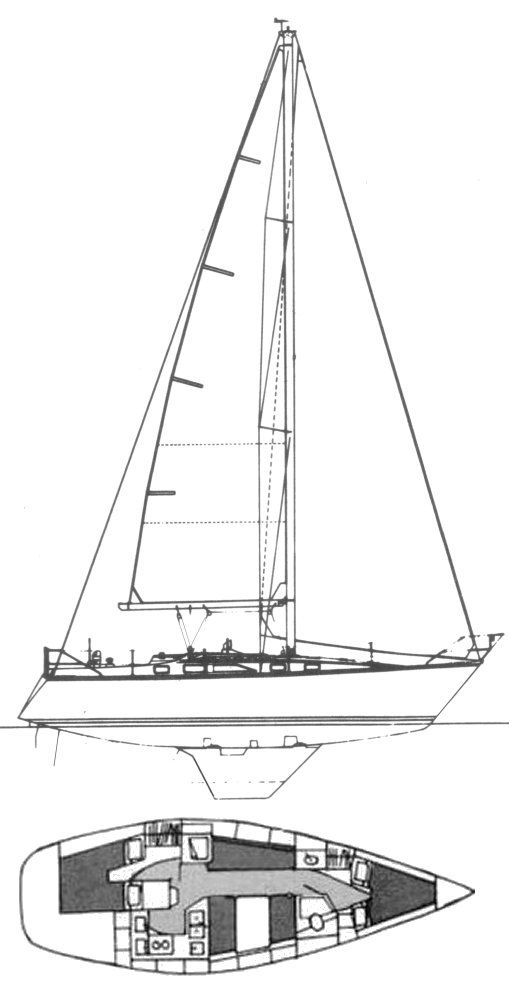
The Hunter 34 features a moderately beamy hull with a fin keel and spade rudder—choices that maximize maneuverability and responsiveness but also require attentive handling downwind. Its fractional sloop rig was considered progressive for the time, offering easier sail handling with a smaller headsail and larger mainsail, reducing the physical load on crews. Built in fiberglass with a solid laminate hull and cored deck, the structure is robust, though like many boats of its era, deck coring can be vulnerable to water intrusion if fittings are neglected. The interior layout is generous for a 34-footer, a design decision prioritizing liveability over storage of heavy gear. From a naval architecture standpoint, the flat underbody and fine entry balance good upwind performance with manageable draft for coastal cruising. For long-term ownership, fiberglass construction ensures durability and relatively easy repairs, which helps preserve resale value.
Performance
Under sail, the Hunter 34 offers a lively ride for its size. With a moderate displacement-to-length ratio, it accelerates quickly in light to moderate winds, a trait that appeals to sailors in protected waters such as the Chesapeake Bay. Upwind ability is respectable, particularly when the rig is properly tuned, though in heavy seas the boat can pound more than heavier displacement competitors. Downwind stability benefits from the beam carried aft, though weather helm can become noticeable if overpowered. Compared to Catalina 34 or Pearson 34 contemporaries, the Hunter feels more spirited but slightly less forgiving for novice helmsmen. Among cruising sailors, it has earned a reputation as a reliable coastal boat, capable of handling multi-day passages, though generally not considered an offshore passagemaker without significant upgrades.
Comfort and Accommodations
The interior was one of the Hunter 34’s selling points when launched. A large aft cabin, L-shaped galley, and spacious saloon give the impression of a boat larger than its 34 feet. Families appreciate the generous headroom and natural light, while couples often find the layout practical for extended stays aboard. Storage is adequate for weekend trips but can feel limited for full-time cruising, particularly if provisioning for longer voyages. Ventilation is helped by multiple opening ports, though many examples on the market now benefit from owner-installed upgrades such as new hatches or fans. The joinery is functional rather than luxurious, and while it tends to age honestly, many boats on the market today have seen partial refits to modernize upholstery, electronics, and galley gear. For buyers, this means interiors range widely from “original and dated” to “freshly remodeled.”
Safety and Practicality
On deck, the Hunter 34 offers wide side decks and a secure cockpit, though the traveler located forward of the companionway can feel awkward for crews unfamiliar with the arrangement. The fractional rig allows for easier depowering in gusts, an advantage for short-handed crews. Access to the water is straightforward thanks to the walk-through transom on later models, a convenience for swimming or boarding from a dinghy. System accessibility below decks is mixed: the engine compartment is reachable but tight, and some wiring looms in older boats can be challenging to trace. Overall, it is best suited for coastal and near-offshore cruising, though many owners have successfully completed bluewater passages after reinforcing rigging and adding offshore safety gear.
Known Issues with the Hunter 34
Common owner reports include signs of deck core moisture around chainplates and stanchions, the typical risk of osmotic blistering in hulls from the 1980s, and engine wear on original Yanmar diesels. Rudder bearings and steering linkages sometimes show play with age. Electrical panels, often original, can be undersized for modern electronics and benefit from upgrades. Popular improvements include switching to feathering or folding props for better performance under power, reinforcing bulkhead tabbing, and updating navigation electronics. Buyers should inspect for evidence of leaks around portlights and assess the condition of standing rigging, which in many cases is overdue for replacement.
Market Availability and Pricing in the U.S.
The Hunter 34 is long out of production and available only on the used market. It is commonly found along the U.S. East Coast, particularly in Florida and the Chesapeake, though examples appear nationwide. Condition varies: some boats have been carefully maintained by private owners, while others show signs of neglect after long marina storage. As of recent listings, prices range from $20,000 to $35,000, depending on upgrades and condition. Compared with contemporaries like the Catalina 34, Pearson 34, or Jeanneau Sun Odyssey 33, the Hunter typically offers more interior volume at a slightly lower price point, though resale values are somewhat softer.
Below is a comparison with similar sailboats:
| Model | LOA | Years Built | Typical Price (U.S.) | Key Differences |
|---|---|---|---|---|
| Hunter 34 | 34 ft | 1983–1987 | $20,000–$35,000 | Spacious interior, lively performance, fractional rig |
| Catalina 34 | 34 ft | 1986–2000s | $28,000–$45,000 | Heavier build, forgiving sailing manners, strong resale |
| Pearson 34 | 34 ft | 1984–1990 | $25,000–$38,000 | Balanced sailor, sturdy build, more traditional interior |
| Jeanneau Sun Odyssey 33 | 33 ft | Late 1980s–1990s | $27,000–$40,000 | European styling, lighter displacement, efficient interior |
Maintenance Costs of a Hunter 34 in the USA
Annual ownership costs vary by region but typically fall into the medium range for a 34-foot cruiser. Marina slips and moorings range from $3,000 per year in smaller Gulf Coast towns to $6,000–$8,000 in high-demand areas like Southern California or New England. Insurance runs $600–$1,200 annually depending on cruising grounds. Routine engine servicing averages $500–$800 per year, while antifouling paint application costs $1,500–$2,500 annually, depending on yard rates. Standing rigging replacement, often overdue on these boats, can cost $4,000–$6,000, and a full sail replacement runs $5,000–$7,000. Electronics upgrades vary widely but can add $3,000–$10,000 for modern systems. Many owners handle basic maintenance themselves, such as oil changes or varnish work, which helps control costs, but rigging and fiberglass repairs generally require professionals. Overall, the Hunter 34 sits in the “medium” category for ownership costs within its class, and its affordable purchase price helps offset the occasional need for large refits. Resale values remain consistent enough to justify these investments for those who keep the boat in sound condition resilient resale value of the brand offsets it if you buy a well-maintained, well-documented example.
Conclusion
The Hunter 34 stands out as a well-balanced coastal cruiser that blends affordability, performance, and comfort. Its strengths lie in its roomy interior, responsive sailing qualities, and relatively low market entry price. Potential buyers should weigh these against the need for attentive maintenance, particularly regarding deck integrity and rigging. For sailors seeking an affordable step into family cruising or a first “real” cruising yacht, it represents a practical choice, especially for coastal waters and moderate offshore passages with proper preparation. While it may not command the resale strength of a Catalina, its combination of space and sailing character continues to make it a worthwhile investment for those prioritizing value and livability over pedigree.
Specifications
| Hull Type | Fin w/spade rudder | |
| Rigging Type | B&R | |
| LOA | 34.42 ft / 10.49 m | |
| LWL | 28.25 ft / 8.61 m | |
| S.A. (reported) | 569.00 ft² / 52.86 m² | |
| Beam | 11.58 ft / 3.53 m | |
| Displacement | 11,820 lb / 5,361 kg | |
| Ballast | 5,000 lb / 2,268 kg | |
| Max Draft | 5.50 ft / 1.68 m | |
| Construction | FG (Fiberglass) | |
| Ballast Type | Iron | |
| First Built | 1983 | |
| Last Built | 1987 | |
| Builder | Hunter Marine (USA) | |
| Designer | Cortland Steck | |
Auxiliary Power / Tanks (original equipment) | ||
|---|---|---|
| Engine Make | Yanmar | |
| Engine Model | 3GM | |
| Engine Type | Diesel | |
| Fuel Capacity | 25 gal / 95 L | |
Accommodations | ||
| Fresh Water Capacity | 65 gal / 246 L | |
Sailboat Calculations | ||
| S.A. / Displ. | 17.61 | |
| Bal. / Displ. | 42.30 | |
| Disp. / Len. | 234.05 | |
| Comfort Ratio | 23.25 | |
| Capsize Screening | 2.04 | |
| S# | 2.39 | |
| Hull Speed | 7.12 kn | |
| Pounds/Inch Immersion | 1,168.89 lb/in | |
Rig and Sail Particulars | ||
| I | 47.42 ft / 14.45 m | |
| J | 13.75 ft / 4.19 m | |
| P | 41.00 ft / 12.50 m | |
| E | 11.75 ft / 3.58 m | |
| S.A. Fore | 326.01 ft² / 30.29 m² | |
| S.A. Main | 240.88 ft² / 22.38 m² | |
| S.A. Total (100% fore + main) | 566.89 ft² / 52.67 m² | |
| S.A. / Displ. (calc.) | 17.54 | |
| Estimated Forestay Length | 49.37 ft / 15.05 m | |
Disclaimer
The considerations and analyses presented regarding the Hunter 34 sailboat are of a general nature and are based on the available information and technical data on this model, interpreted to the best of our knowledge and understanding. It is important to note that the specific characteristics of any particular sailboat may vary due to custom modifications, maintenance performed, and conditions of use over time, among other factors. Therefore, the details and performance of the boat you are considering may not exactly match the information provided here.
We strongly recommend that, before making any purchasing or usage decisions, you conduct a detailed inspection of the boat in question, consult with nautical professionals and other sailors, and consider your personal needs, expectations, and capabilities. Each sailboat may have unique particularities that affect its performance and suitability for different types of sailing and sailors.
The information contained in this analysis should be used as a general guide and not as a definitive reference. Professional evaluation and personal inspection are essential to ensure that the boat meets your specific requirements and expectations.