


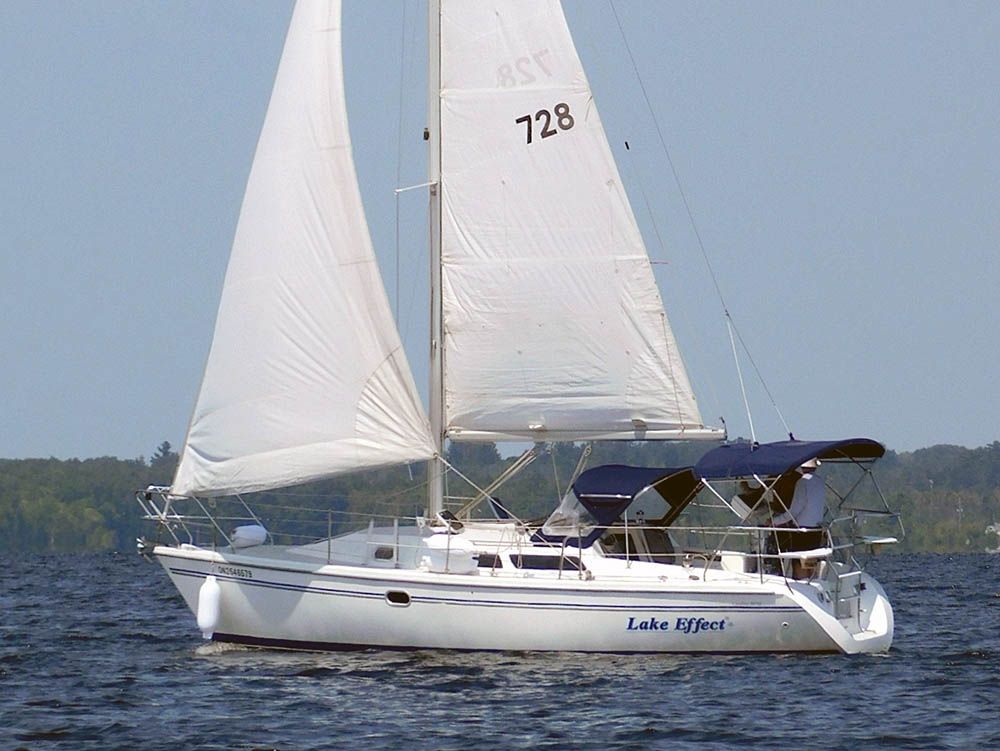
The Catalina 28 MkII is a purpose-built coastal cruiser aimed at couples and small families who want comfortable accommodation without sacrificing easy single- or short-handed sailing. Introduced in the mid-1990s as an update to the earlier Catalina 28, the MkII reflects Gerry Douglas’s design intent to widen the aft hull and improve the galley and sail controls, giving buyers more living space and more user-friendly systems than the original version. Built by Catalina Yachts in the United States and produced in large numbers, the MkII has become a familiar name on the used market and is most commonly sought by weekend cruisers, first-time keelboat owners and sailors who value predictable handling and straightforward maintenance.
Design and Construction
The Catalina 28 MkII follows modern production-boat practice for its era: a moderate-displacement monohull with a relatively broad beam carried aft, a fin keel (with a popular optional wing-keel shoal draft), and an internally mounted spade rudder. The rig is a masthead sloop with the MkII offering improved sail control ergonomics over the earlier model; masts and spars are aluminum with conventional standing and running rigging. Construction is solid fiberglass hull with a balsa-cored or sandwich deck in many examples—typical of late-90s mass production—which balances stiffness and weight while keeping repairability straightforward for yards familiar with GRP work. Those design choices produce a boat that is easy to maintain (GRP hull repairs are routine) but also worth inspecting in a pre-purchase survey for deck core delamination, keel-to-hull joint condition and any signs of localized stress where fittings have been altered. The slightly wider stern and reworked interior layout on the MkII translate directly into more aft-cabin comfort and usable cockpit ergonomics—decisions that lift its residual value with buyers who prioritize liveability over outright racing performance.
Performance
Under sail the MkII sits squarely in the “comfortable coastal cruiser” category: she accelerates cleanly in moderate breeze, tracks steadily in chop and will point well enough for club events but won’t match newer light-displacement designs on upwind VMG. With the standard fin keel owners typically see good control and directional stability; the wing-keel versions trade a bit of pointing ability for shallower water access—an important practical difference for buyers who cruise salt-marshes, Florida shoals or shallow bays. Typical PHRF numbers and reported hull speed place her as a mid-pack performer where reliability and ease of trimming are more valuable than maximum speed, making the boat attractive to short-handed sailors who want low-stress handling rather than a boat that needs constant sail-trim attention.
Comfort and Accommodations
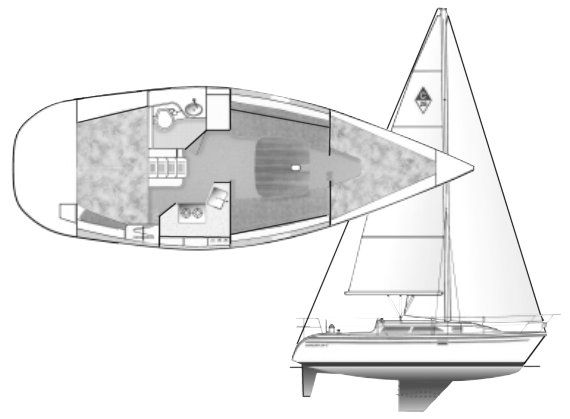
The MkII’s revised hull form and interior plan give noticeably more room in the aft cabin and a reworked galley compared with the earlier 28, so the boat feels more like a 29-foot cruiser in everyday use. That additional volume shows in berths that better accommodate two adults, a practical U-shaped galley for meal prep, and storage that—while always limited on a boat under 30 feet—has been thoughtfully arranged for weekend or week-long trips. Ventilation and natural light are generally good for a production boat of this age, but long-term liveaboard comfort depends on upgrades: refrigeration, modern charging systems and improved insulation/venting are commonly installed by owners who expect to cruise for extended periods. In short, the MkII is well suited to couple cruising and small families who accept modest compromises on private space in exchange for a nimble, easy-to-manage platform.
Safety and Practicality
Deck layout and cockpit ergonomics emphasize safe, easy handling: a protected cockpit, sensible toerails, and simple sail control routing let a small crew reef, shorten sail and manage headsails without running forward in heavy conditions. Companionway and cockpit steps give straightforward access to the water for swimming and recovery, and the wing-keel option widens the choice of harbors and moorings. For coastal cruising the MkII is ready with routine maintenance; owners who contemplate offshore passages should budget for stronger ground tackle, upgraded seacocks and a professional check of structural joints and seafastenings. The combination of conventional engine installations and accessible systems also makes routine mechanical maintenance and troubleshooting easier for owners who prefer to do many jobs themselves.
Known Issues with the Catalina 28 MkII
Owners and surveyors often call out a few recurring points on Catalina 28 variants, many of which the MkII addressed but which still appear on older or altered boats. Commonly reported areas to inspect during survey include deck “oil-canning” or minor flex in flat deck sections, battery placement and ventilation (some early layouts placed batteries in less accessible spots), and awkward access to refrigeration compartments or locker space that some owners have reworked. Cosmetic aging of interior joinery and wear in factory cushions are frequent but easily remedied; mechanically, small inboard diesels and older engines will typically need either a careful overhaul history or replacement planning. Practical owner upgrades often include improved locker latches, relocated or ventilated battery boxes, modern electronics and, where needed, selective deck-core repairs or reinforcement around primary winches and mast step—these are predictable survey findings and reasonable negotiating points for buyers.
Market Availability and Pricing in the U.S.
The Catalina 28 MkII is out of production and available only as a used boat; because Catalina Yachts produced many models and the MkII was built for many years, examples range from affordable to well-equipped refit boats. Listings in U.S. brokerages and classified sites show the MkII commonly appearing on the market, with condition and fitted equipment driving wide price variation. A practical U.S. market band for survey-clean, ready-to-sail MkII boats is commonly around $12,000–$45,000, with lower-end hulls needing work and fully refitted, late-production examples on the higher side of the scale. The model typically sells to coastal cruisers and family owners more than to charter fleets; in the U.S. you’ll see concentrations of listings in regions with strong trailer or marina markets—Florida, the Chesapeake and the Great Lakes—but good examples appear nationwide. Compared with similar boats the MkII’s advantages are a large owner community (making parts and advice accessible) and a balance of interior comfort to manageability that keeps resale activity steady.
Below is a comparison with similar sailboats from the same era:
| Model | LOA | Year (approx.) | Typical used price (U.S.) | Principal differences |
|---|---|---|---|---|
| Catalina 28 MkII | ~29.4 ft | 1995–2010 | **$12,000–$45,000** | Widened aft hull, comfortable aft cabin, production-boat simplicity. |
| Hunter 28.5 | ~28.4 ft | 1985–1988 | $6,000–$20,000 | B&R rig variants, U.S.-focused parts network, value-oriented finishes. |
| Beneteau First 285 | ~28 ft | 1985–1993 | $10,000–$25,000 | Sportier Finot lines, lighter feel, often preferred by owners wanting quicker passage times. |
| Jeanneau Sun Odyssey 29.2 | ~28.9 ft | 1997–2008 | $20,000–$40,000 | More modern construction, fractional rig options, firmer performance and contemporary interiors. |
Catalina 28 MkII vs Hunter 28.5

The Catalina 28 MkII and the Hunter 28.5 target similar cruising buyers but approach the brief differently: Catalina leans toward a slightly fuller stern and an emphasis on interior volume and easy systems access, while the Hunter’s B&R rig and hull form were designed to maximize sail area and interior loft within a cost-conscious production framework. In practice this means the Catalina often feels more forgiving and comfortable for short-handed family cruising, whereas the Hunter can feel sportier under sail but may demand more attention to rig tune and maintenance of its more complex rigging geometry.
Buyers should weigh maintenance ecosystems: Hunters enjoy the U.S. parts network and an established owner base for inexpensive fixes, but Catalinas typically offer simpler ergonomics and a resale market that favors comfort-oriented buyers in coastal boating regions. The practical outcome is that a Catalina MkII will often be the easier, lower-stress purchase for weekend cruising couples, while the Hunter appeals to owners who prioritize marginal speed and a more “performance-leaning” feel in the same size bracket.
► Learn more about the Hunter 28.5
Catalina 28 MkII vs Beneteau First 285
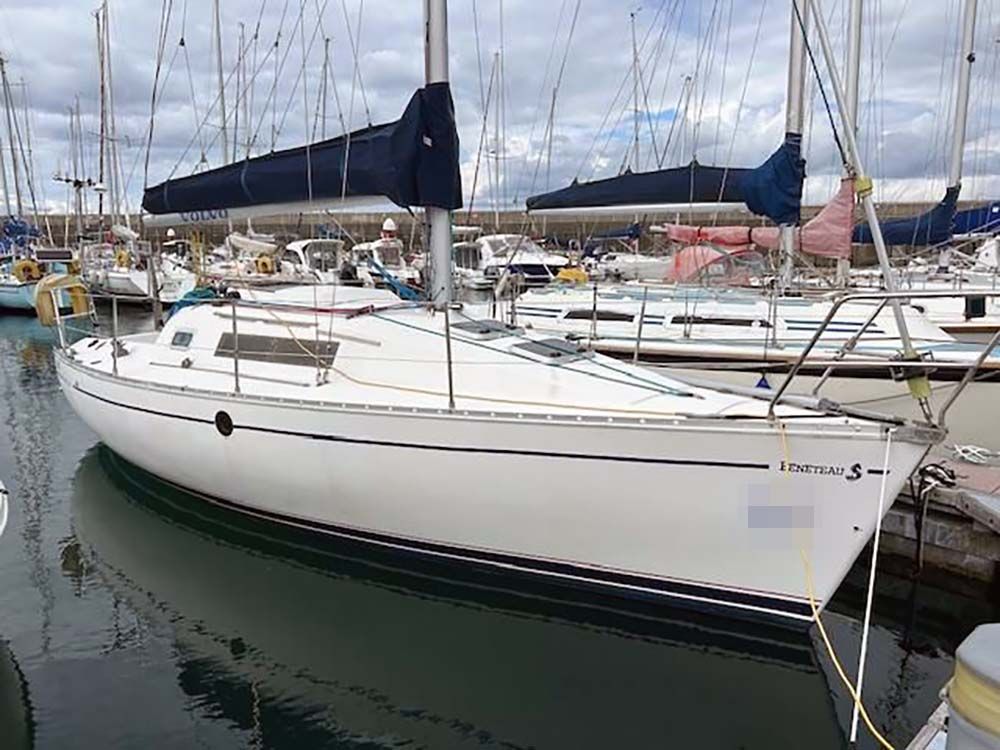
Compared with the Beneteau First 285, the Catalina 28 MkII is generally the more conservative, comfort-focused choice: Beneteau’s Finot lines are lighter and tuned toward better pointing and responsiveness, which translates to quicker passage times and a livelier helm in a breeze. The MkII trades a degree of sportiness for interior ergonomics and simpler systems that many cruising families or newer owners appreciate.
From an ownership perspective, the First 285 can offer better sailing thrills and slightly higher performance potential, but it often requires a more active maintenance approach to sails and rigging to keep that edge. The Catalina’s strength is in everyday practicality—easier systems access, widespread owner support in the U.S., and a layout that favors comfortable weekend cruising without aggressive sail management.
► Learn more about the Beneteau First 285
Catalina 28 MkII vs Jeanneau Sun Odyssey 29.2
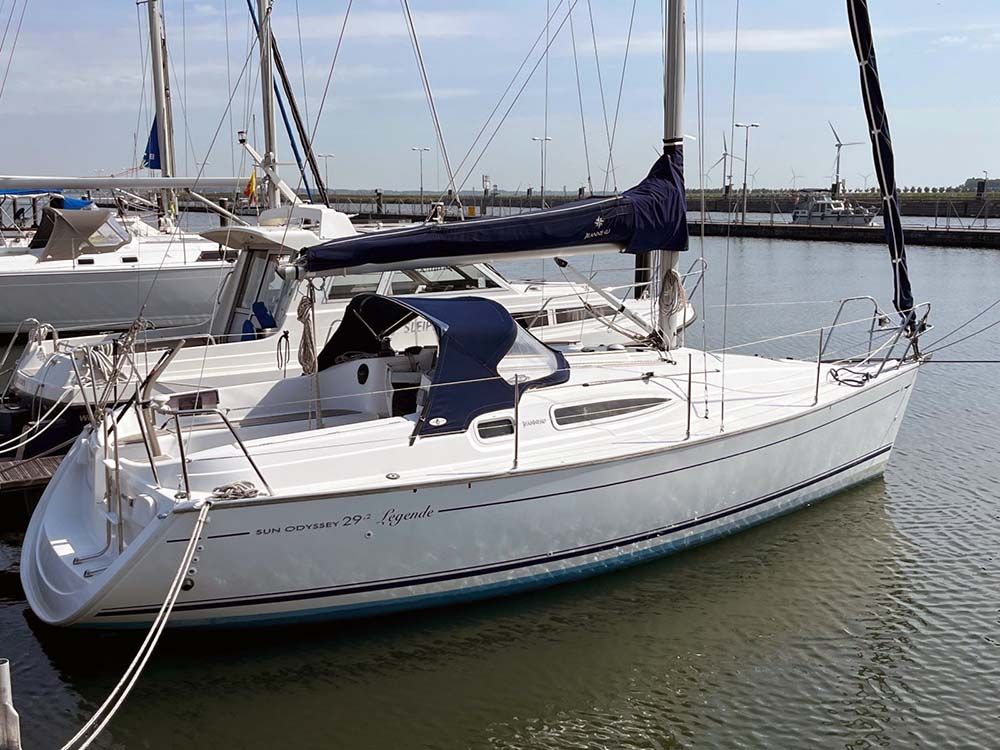
The Jeanneau Sun Odyssey 29.2 represents a newer design generation: a fractional rig, modern underbody options (bulb or centerboard variations) and an emphasis on contemporary deck flow and interior finish elevate its appeal to buyers wanting more current comforts and slightly better light-air performance. The Catalina MkII, by contrast, remains rooted in straightforward masthead-sloop practice and prioritizes robustness and familiar serviceability over the refinements found in later European production boats.
For a buyer deciding between the two, the Jeanneau will feel more “modern” afloat and inside—often with better upwind response and newer materials—while the Catalina is likely to be cheaper to buy, easier to work on for a DIY owner, and sometimes cheaper to insure or re-equip because of the ubiquity of Catalina parts and a large domestic resale market. Those trade-offs map directly onto ownership patterns: choose Jeanneau for up-to-date systems and crisper sailing, choose Catalina for simplicity, lower initial outlay and broad aftermarket support.
► Learn more about de Jeanneau Sun Odyssey 29.2
Maintenance Costs of a Catalina 28 MkII in the U.S.
A realistic snapshot of annual and occasional maintenance costs (ranges reflect condition, location and owner skill):
- Mooring/Slip or Storage: $1,200–$8,000 per year depending on marina and region (higher in California/New England, lower inland or on moorings).
- Insurance: $350–$1,500 per year depending on coverage, cruising area and declared value.
- Engine servicing: $300–$1,200 annually for routine oil/service; full rebuilds or replacements cost several thousand dollars.
- Antifouling & haul-out: $300–$1,200 annually for in-water cleaning; haul-out and paint every 2–3 years $800–$3,000.
- Standing & running rigging: $200–$800 yearly for inspections/repairs; full standing rigging replacement typically $1,500–$4,500 (date-based replacement).
- Sails & canvas: $100–$800 per year for small repairs; mainsail or genoa replacement $1,200–$4,000 depending on material and cut.
Significant one-time costs to plan for include a major sail inventory replacement, an electronics refit (chartplotter, instruments, VHF, autopilot) often $1,500–$6,000, and larger structural work such as deck core repairs or osmosis treatment which can run several thousand dollars. Regional factors matter: tropical/warm fouling zones raise antifouling frequency and zinc/prop maintenance, while colder regions typically increase haul-out and winterization costs.
A Catalina 28 MkII is very achievable for owner-maintenance—many owners handle oil/filters, antifoul tasks and interior upgrades themselves—but professional services are recommended for mast/rigging work, engine overhauls and any structural repairs. Overall cost level for a 28- to 29-foot cruiser is medium: higher than a trailerable daysailer but lower than larger cruising yachts; if a buyer invests sensibly in a survey-led refit (rigging, sails, basic electronics), the resale value generally reflects those improvements and helps amortize the outlay at sale.
Conclusion
The Catalina 28 MkII is a pragmatic, well-rounded coastal cruiser that earns its reputation through comfortable accommodation, simple systems and forgiving handling. Its principal strengths are interior livability for a small crew, a broad support network from Catalina ownership and straightforward maintainability; its main weaknesses are those of any production boat of its vintage—age-related systems wear, some ergonomic oddities in factory layouts and the need for prudent pre-purchase survey work. For buyers seeking a reliable weekend cruiser or a modestly capable family coastal boat that is affordable to buy and maintain, the MkII is a very good candidate: it strikes a sensible balance between comfort and sailing performance, and with a modest refit it typically holds resale value well enough to make the purchase a defensible, practical investment for coastal cruising.
Specifications
| Hull Type | Fin w/bulb & spade rudder |
| Rigging Type | Masthead Sloop |
| LOA | 29.42 ft / 8.97 m |
| LWL | 23.83 ft / 7.26 m |
| S.A. (reported) | 364.00 ft² / 33.82 m² |
| Beam | 10.33 ft / 3.15 m |
| Displacement | 8,300 lb / 3,765 kg |
| Ballast | 3,200 lb / 1,451 kg |
| Max Draft | 5.17 ft / 1.58 m |
| Construction | FG |
| Ballast Type | Lead |
| First Built | 1995 |
| Last Built | 2010 |
| Builder | Catalina Yachts (USA) |
| Designer | Gerry Douglas |
| Auxiliary Power | Universal 25XPBC, Diesel, 26 HP |
| Fuel | 19 gals / 72 L |
| Water | 49 gals / 185 L |
| Headroom | 6.00 ft / 1.83 m |
| S.A./Displ. | 14.25 |
| Bal./Displ. | 38.55 |
| Disp./Len. | 273.82 |
| Comfort Ratio | 22.43 |
| Capsize Screening Formula | 2.04 |
| S# | 1.71 |
| Hull Speed | 6.54 kn |
| Pounds/Inch Immersion | 879.57 pounds/inch |
| I | 36.50 ft / 11.13 m |
| J | 10.83 ft / 3.30 m |
| P | 31.00 ft / 9.45 m |
| E | 10.75 ft / 3.28 m |
| S.A. Fore | 197.65 ft² / 18.36 m² |
| S.A. Main | 166.63 ft² / 15.48 m² |
| S.A. Total | 364.28 ft² / 33.84 m² |
| S.A./Displ. (calc.) | 14.26 |
| Est. Forestay Length | 38.07 ft / 11.60 m |
Disclaimer
The considerations and analyses presented regarding the Catalina 28 MkII sailboat are of a general nature and are based on the available information and technical data on this model, interpreted to the best of our knowledge and understanding. It is important to note that the specific characteristics of any particular sailboat may vary due to custom modifications, maintenance performed, and conditions of use over time, among other factors. Therefore, the details and performance of the boat you are considering may not exactly match the information provided here.
We strongly recommend that, before making any purchasing or usage decisions, you conduct a detailed inspection of the boat in question, consult with nautical professionals and other sailors, and consider your personal needs, expectations, and capabilities. Each sailboat may have unique particularities that affect its performance and suitability for different types of sailing and sailors.
The information contained in this analysis should be used as a general guide and not as a definitive reference. Professional evaluation and personal inspection are essential to ensure that the boat meets your specific requirements and expectations.