


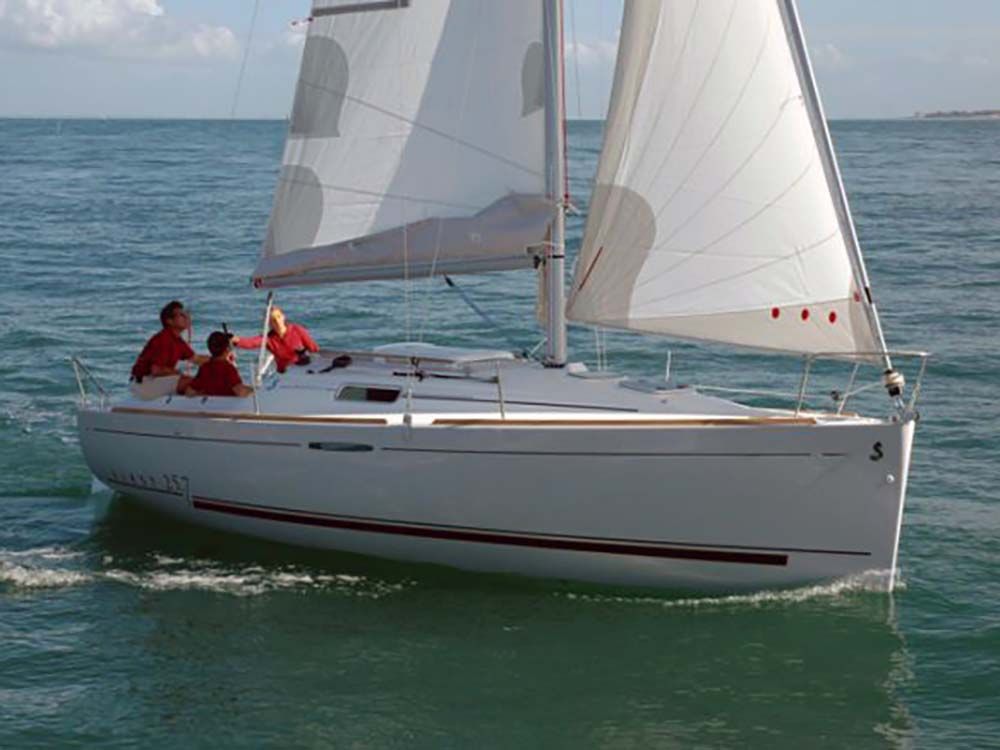
The Beneteau First 260 Spirit arrived in the mid-1990s as a compact racer-cruiser from Groupe Finot and Beneteau, positioned to give sailors a lively small yacht that could also serve as an approachable coastal cruiser. It was intended for owners who wanted a boat that could be pushed for club racing on weekends yet still provide a sensible cabin for two to four people on short cruises — a sport-cruiser intent rather than a barebones racer or a heavy cruising hull. The model was produced in healthy numbers for a short-handed performance boat and remains visible on the used market in Europe and occasionally in the U.S., attracting buyers who value a peppy helm, twin-rudder control and a compact, modern interiors.
Design and Construction
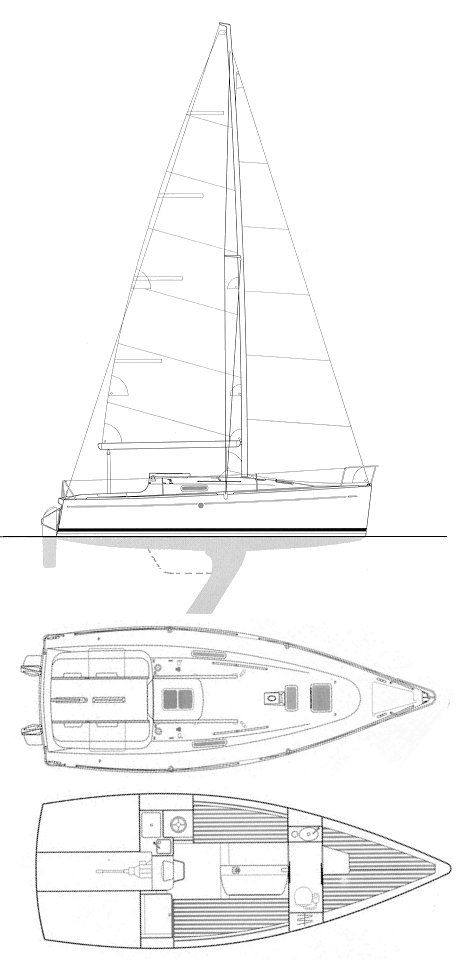
The First 260 Spirit uses a relatively beamy, planing-capable hull with a centreboard/keel arrangement and transom-mounted twin rudders; construction is molded fiberglass with typical production-boat systems and a focus on light weight for performance. The fractional-rigged sloop and relatively generous sail area for the displacement give the boat its forward-leaning character: quick to accelerate, sensitive to trim and rewarding to crews who like to steer a responsive boat. These choices trade absolute offshore security for agility — the centreboard lets owners reduce draft to explore shallow anchorages or trailer in some markets, but the lifting hardware and keel trunk require careful inspection during surveys and regular maintenance to stay trouble-free. From a long-term ownership standpoint the production fibreglass hull is straightforward to repair and maintain, but pinch points for residual value are the condition of keel hardware, the twin rudders and any evidence of poor water-ingress management in trunk or deck interfaces.
Performance
Under sail the First 260 Spirit is generally described as lively and quick off the wind, with a responsiveness and acceleration you would expect from the First family; it rewards light-air tuning and can be handled aggressively in club events. Upwind performance with the centreboard down is respectable for the class, though the boat’s lighter displacement and shallower, movable ballast mean it will be more tender at extreme heel angles than a similar fixed-keel pocket cruiser — conservative reefing habits pay practical dividends. In short coastal conditions and moderate seas the boat feels nimble and confident, but for long, heavy-weather passages the design’s priorities (speed, responsiveness, trailer/harbor flexibility) make it better suited to coastal racing and weekend cruising than sustained offshore work. Owner reports and class notes emphasize the boat’s fun helming and quick acceleration while also flagging the familiar tradeoffs in ultimate stiffness and motion comfort compared with heavier 25–27-foot cruisers.
Comfort and Accommodations
Beneteau’s interior for the First 260 Spirit is deliberately compact but well thought out: the layout generally provides a forward V-berth, a modest saloon with convertible settees, a small galley and a portable or fitted head — enough for comfortable weekending for a couple and tolerable for short family cruises. Materials and finish in production examples skew toward practical rather than luxurious, which helps keep weight down and makes routine cosmetic refreshes straightforward for a buyer who prefers DIY improvements. Headroom and tankage limit extended liveaboard ambitions, but the boat’s clever storage and daylighting make short stays feel less cramped than raw dimensions suggest; many owners upgrade cushions, nav electronics and soft goods to tilt the boat toward greater onboard comfort without heavy structural work.
Safety and Practicality
The twin rudders preserve control as the boat heels and are an advantage in tight, choppy waters where one rudder may remain well immersed, improving steerage. The centreboard gives great flexibility for shoal anchorages and trailer access but adds mechanical complexity: trunk seals, lifting pins and bearings are routine survey checkpoints because failures or play can compromise safety and performance. Systems such as the small diesel or auxiliary engine, through-hulls and basic electrics are generally accessible for owner inspection, but anything involving keel-box access or rudder bearings typically benefits from professional attention; prudent buyers should budget for the occasional yard period to service keel gear and bearings. Taken together, the First 260 Spirit is a practical coastal tool provided you accept routine inspection of the keel/board and rudder systems as part of normal upkeep.
Known Issues with the Jeanneau Sun 2500
Forum threads and owner notes point to a few recurring, practical issues buyers should watch for: wear or play in the centreboard swing/pivot and associated pins, squeaky or soft spots around the head/sole area (reported as delamination-like sounds in some boats), and the usual seals/inspection-plate attention that lifting-keel boats require. These problems most often arise from long-term moisture ingress or neglected mechanical servicing rather than a fatal design flaw; common seller/upgrades include replacing worn keel pins, re-bedding inspection plates, reinforcing or rebonding sole/structural areas and refreshing rudder bearings. For a prospective buyer, these make for predictable survey items and repair budgets rather than red-flag structural failures — but they are precisely the items that should be verified and priced into any negotiation.
Market Availability and Pricing in the U.S.
The First 260 Spirit is out of production and more common in European brokerages than U.S. inventories, but individual boats do appear on North American listings from time to time. Recent listing samples and broker data place many examples in the $12,000–$28,000 range depending on year, engine, equipment and condition; tidy European imports or boats with strong electronics and recently serviced keel gear trend to the higher end. Because the model sits between sportboat and pocket cruiser, it tends to attract buyers who want spirited handling more than maximal onboard systems, which keeps the resale market active among performance-minded coastal sailors — but limited U.S. supply can raise prices locally for well-presented examples.
Below is a comparison with similar sailboats from the same era:
| Model | LOA | Years (approx) | Typical US used price | Principal differences |
|---|---|---|---|---|
| Beneteau First 260 Spirit | ~24.6 ft | 1994–2004 | $12,000–$28,000 | Light, sport-cruiser hull with centreboard and twin rudders; peppy sailing manners but added keel/trunk maintenance compared with fixed-keel cruisers. |
| Catalina 250 | 25.0 ft | mid-1990s–2000s | $8,000–$20,000 | Conventional American pocket cruiser with fixed or wing/centerboard options; heavier displacement, more interior volume and simpler keel hardware. |
| Jeanneau Sun 2500 | 24.6 ft | 2004–2008 | $15,000–$35,000* | Modern European pocket cruiser with twin rudders and lifting-keel options; nimble and contemporary layout but less common in the U.S. |
| Hunter 240 | 24.1 ft | 1997–2005 | $8,000–$14,000 | Trailerable water-ballast centerboard cruiser focused on ramp convenience and low-cost ownership; less stiff under sail but very easy to launch and store. |
Beneteau First 260 Spirit vs Catalina 250

The First 260 Spirit is tuned toward sharper helm feel and lighter displacement, so in similar breeze it accelerates and responds more quickly than a Catalina 250; the centreboard/dual rudder layout gives nimble handling and the ability to reduce draft for shoal anchorages. The Catalina 250 has a heavier, more forgiving motion and options for fixed or wing keels that give it greater ultimate stiffness and easier heavy-weather confidence, making it a better choice for buyers prioritizing interior volume and forgiving cruising manners.
In practical ownership terms, the First 260 requires more attention to lifting-keel components, trunk seals and rudder bearings, while the Catalina’s simpler keel choices reduce mechanical inspection load and can lower long-term maintenance risk — a meaningful consideration for buyers who want lower yard time and easier resale in conventional marina markets.
► Learn more about de Catalina 250
Beneteau First 260 Spirit vs Jeanneau Sun 2500

Both boats offer modern European hull forms and a bias toward lively coastal performance, but the First 260 leans more toward sportiness with a lighter, more race-oriented feel, whereas the Sun 2500 emphasizes twin rudder control and options that favor shallow-water practicality and forgiving handling under heel. As a result, the Sun 2500 often feels steadier at moderate heel angles and can be an easier platform for short-handed cruising in tidal areas, while the First 260 rewards crews who enjoy tighter sail trim and a more athletic helm.
From a buyer’s practical perspective, choose the First 260 if you want a compact boat with a sharper performance edge and lower weight to tune; choose the Sun 2500 if shallow-water flexibility, twin-rudder control and a slightly more cruisy layout are higher priorities — and remember that Sun 2500 availability and parts support may vary more in the U.S. market.
► Learn more about de Jeanneau Sun 2500
Beneteau First 260 Spirit vs Hunter 240
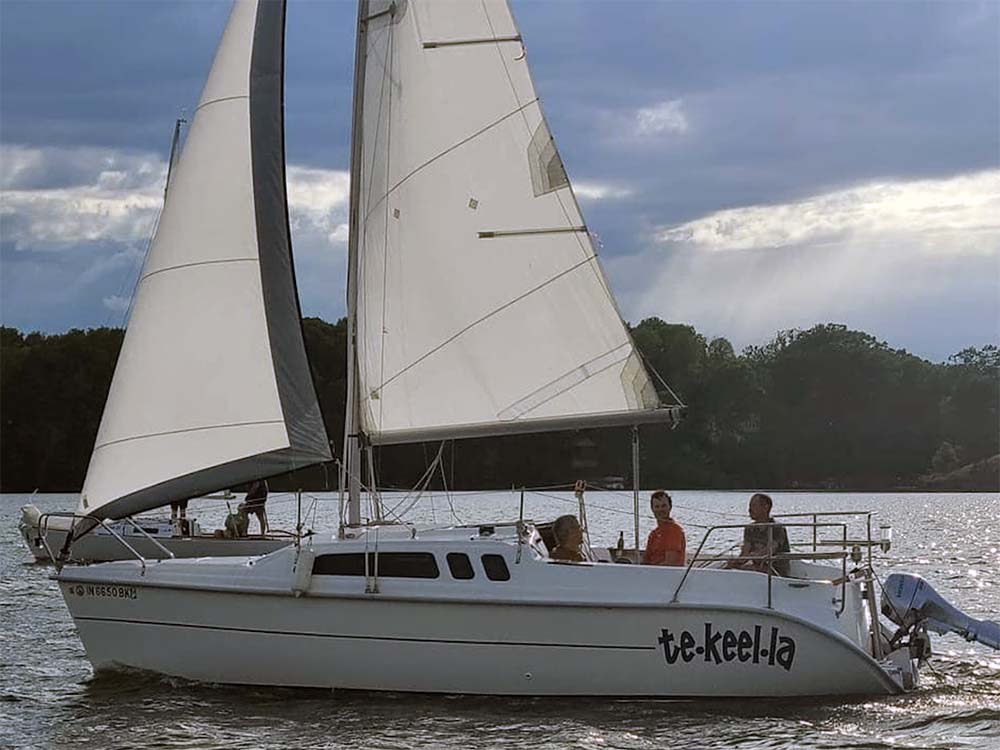
The Hunter 240 is purpose-built as an ultra-convenient trailer-sailer with water ballast and a B&R rig, prioritizing ramp launching and low marina costs, whereas the First 260 Spirit is a dedicated sport-cruiser that expects to be sailed more and trailered less. That design divergence means the Hunter is easier and cheaper to own if you intend frequent trailering, but it will not match the First 260’s responsiveness, acceleration and windward bite when sailed aggressively.
Maintenance expectations differ accordingly: Hunters tend to have fewer complex keel-mechanism items (aside from water-ballast plumbing) and are engineered for simplicity, while the First 260 delivers better sailing performance but brings centreboard and rudder service items into the routine-inspection list — a tradeoff that should guide buyers who must choose between mobility and sailing refinement.
► Learn more about de Hunter 240
Maintenance Costs of a Beneteau First 260 Spirit in the U.S.
Typical annual maintenance expenses (each item bolded, followed by a practical comment):
- Mooring or slip fees: $800–$6,000 per year — inland lakes and trailer-storage are at the low end; seasonal slips and popular coastal marinas (Northeast, California, Florida) push costs to the high end.
- Insurance: $300–$1,200 annually — varies with declared value, cruising area and owner experience.
- Engine servicing (auxiliary diesel or outboard): $200–$1,000 per year — based on engine type and hours; diesel servicing is typically pricier than an outboard tune.
- Antifouling / haulout & bottom work: $400–$2,500 per haulout cycle — hull size, yard rates and whether you do prep work yourself drive the wide range.
- Standing and running rigging / inspections: $150–$800 annually for routine checks and small parts; expect a full rigging refresh every 10–15 years in the $1,200–$3,500 range.
- Sails (repairs and replacement): $150–$700 per year for patches and UV care; full replacement of main and headsail commonly $1,200–$4,000 depending on cloth and cut.
Significant one-time or periodic costs to budget: centreboard/keel trunk servicing or repairs ($500–$3,000) if pins, bearings or structural packing require attention; rudder bearing or blade repairs ($800–$3,000) for worn twin-rudder systems; and electronics/modernization projects ($1,000–$6,000) for chartplotters, instruments and battery systems. Owners who are mechanically comfortable can perform many routine tasks (sail care, basic engine service, bedding/seal work) and reduce annual outlay significantly, while keel-box or structural work and major electrical refits commonly require pro yards and raise costs. Regional differences and yard labor rates are meaningful: coastal marina owners typically pay more for haulout and labor than trailer-storage owners. General industry guidance (10% of boat value per year as a rough rule of thumb, and per-foot yard rates for haulouts/antifouling) helps frame expectations for budgeting.
Overall, upkeep for a First 260 Spirit sits in the low-to-medium band for a 24–26-foot sport-cruiser if you perform routine owner maintenance; if a boat requires immediate keel/trunk or rudder work at purchase, first-year expenses can spike into the high range. Well-documented maintenance history and recent service on keel/ rudder gear materially improve resale prospects and typically justify a modest premium at sale.
Conclusion
The First 260 Spirit is a compact, well-engineered sport-cruiser that offers a rewarding balance of acceleration, helm feel and enough accommodation to make weekend cruising practical. Its strengths are lively sailing manners, twin-rudder control that keeps helm feel positive at heel, and a compact interior that is easy to refit or modernize; its weaknesses are the mechanical complexity of centreboard/keel systems and the attention twin rudders demand over time. For buyers who value spirited coastal sailing and a light, responsive platform for club racing and weekend cruising, the First 260 Spirit is an excellent match — provided a careful pre-purchase survey confirms keel-trunk, pivot and rudder condition. For purchasers who prioritize maximal interior volume, ultimate windward stiffness, or the simplest possible keel hardware, a heavier fixed-keel pocket cruiser may be a better fit; nevertheless, a well-presented First 260 Spirit frequently represents strong value for the performance-oriented coastal sailor.
Specifications
| Hull Type | Keel/CB w/dual rudders |
| Rigging Type | Fractional Sloop |
| LOA | 24.57 ft / 7.49 m |
| LWL | 24.11 ft / 7.35 m |
| Sail Area (reported) | 349.00 ft² / 32.42 m² |
| Beam | 9.06 ft / 2.76 m |
| Displacement | 4,740.00 lb / 2,150 kg |
| Ballast | 1,433.00 lb / 650 kg |
| Max Draft | 6.07 ft / 1.85 m |
| Min Draft | 2.79 ft / 0.85 m |
| Construction | FG |
| First Built | 1994 |
| # Built | 500 |
| Builder | Beneteau (FRA) |
| Designer | Groupe Finot |
Auxiliary Power / Tanks | |
|---|---|
| Make | Nanni |
| Type | Diesel |
| Fuel Capacity | 8 gals / 30 L |
Accommodations | |
| Water Capacity | 9 gals / 34 L |
Sailboat Calculations | |
| S.A. / Displ. | 19.85 |
| Bal. / Displ. | 30.23 |
| Disp. / Len. | 150.99 |
| Comfort Ratio | 16.04 |
| Capsize Screening Formula | 2.16 |
| S# | 3.75 |
| Hull Speed | 6.58 kn |
| Pounds/Inch Immersion | 780.50 pounds/inch |
Rig and Sail Particulars | |
| I | 33.80 ft / 10.30 m |
| J | 9.71 ft / 2.96 m |
| P | 32.15 ft / 9.80 m |
| E | 11.48 ft / 3.50 m |
| S.A. Fore | 164.10 ft² / 15.25 m² |
| S.A. Main | 184.54 ft² / 17.14 m² |
| Total Sail Area | 348.64 ft² / 32.39 m² |
| S.A./Displ. (calc.) | 19.83 |
| Estimated Forestay Length | 35.17 ft / 10.72 m |
Disclaimer
The considerations and analyses presented regarding the Beneteau First 260 sailboat are of a general nature and are based on the available information and technical data on this model, interpreted to the best of our knowledge and understanding. It is important to note that the specific characteristics of any particular sailboat may vary due to custom modifications, maintenance performed, and conditions of use over time, among other factors. Therefore, the details and performance of the boat you are considering may not exactly match the information provided here.
We strongly recommend that, before making any purchasing or usage decisions, you conduct a detailed inspection of the boat in question, consult with nautical professionals and other sailors, and consider your personal needs, expectations, and capabilities. Each sailboat may have unique particularities that affect its performance and suitability for different types of sailing and sailors.
The information contained in this analysis should be used as a general guide and not as a definitive reference. Professional evaluation and personal inspection are essential to ensure that the boat meets your specific requirements and expectations.