



The Hunter 29.5 is a compact, mid-1990s cruiser-oriented design from Hunter Marine that aimed to give coastal sailors an easy-to-handle boat with a surprisingly roomy interior and respectable light-air performance for its length. Designed by Rob Mazza and the Hunter design team and introduced in the mid-1990s, the 29.5 was pitched at couples and small families who wanted a trailer-able-sized platform that still felt modern aboard and could be used for daysailing, weekend cruising and occasional club events. It remains a recognizable name on U.S. used-boat sites and broker pages — buyers typically look for a turnkey weekend boat or a project to update — so demand is steady among budget-minded coastal cruisers and owners wanting an affordable, manageable 30-foot experience.
Design and Construction
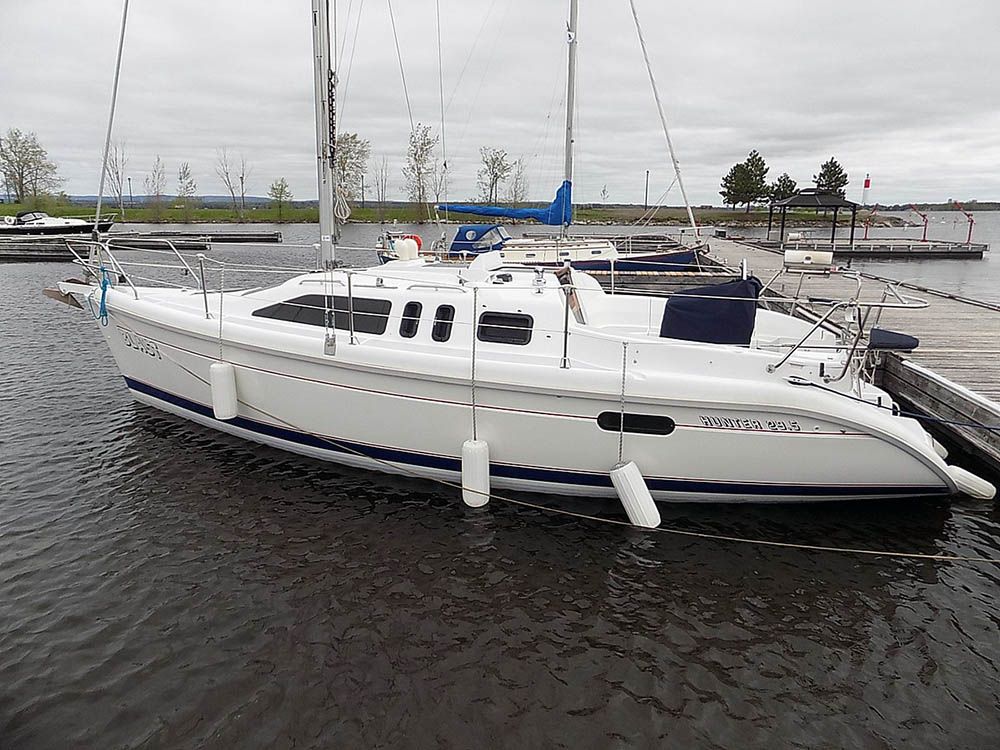
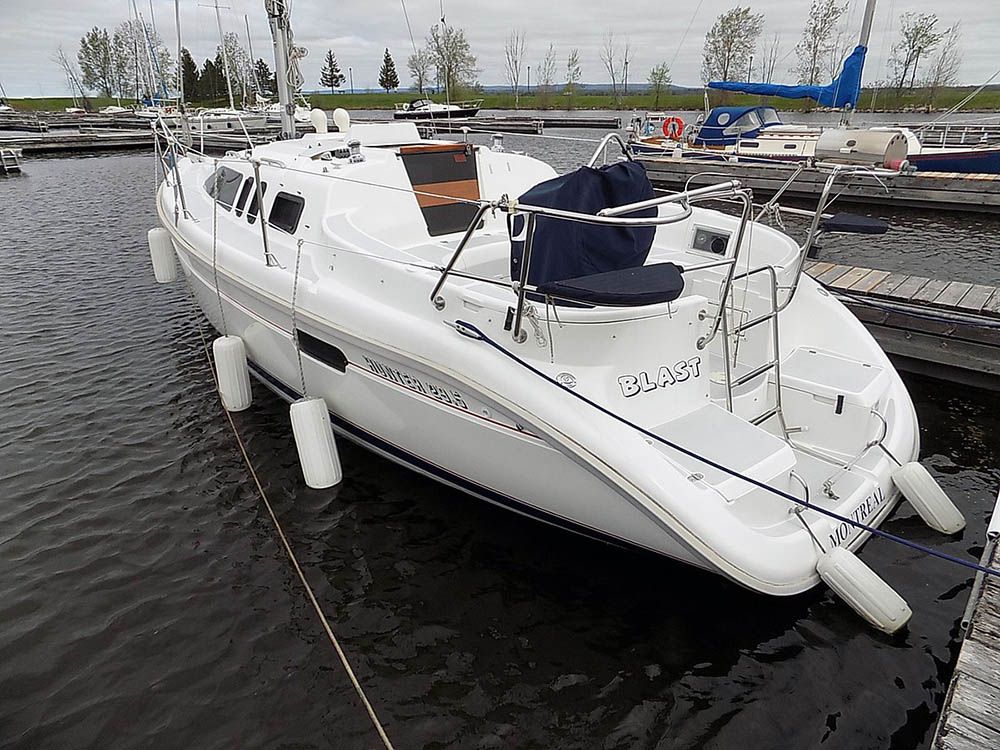
Hunter laid the 29.5 out with the production-boat buyer in mind: a moderate-displacement fiberglass hull with a fin keel and spade rudder, a beamy profile that maximizes interior volume, and a roomy cockpit that makes short-handed sailing comfortable. Sources differ slightly on rig classification between masthead and fractional variants — a sign that Hunter offered rig/package options and that measurement conventions vary among listings — but the practical reality is a generous main paired with an efficient headsail arrangement that gives the boat good power in light air. Construction is conventional fiberglass lamination for its era with production economies in mind; joinery and systems are straightforward and accessible, which helps keep repair work simple for ordinary owners and yards experienced with production boats. Those choices trade a little outright race-boat sensitivity for reliability, easy servicing and good residual value among buyers who prioritize functionality over exotic performance.
Performance
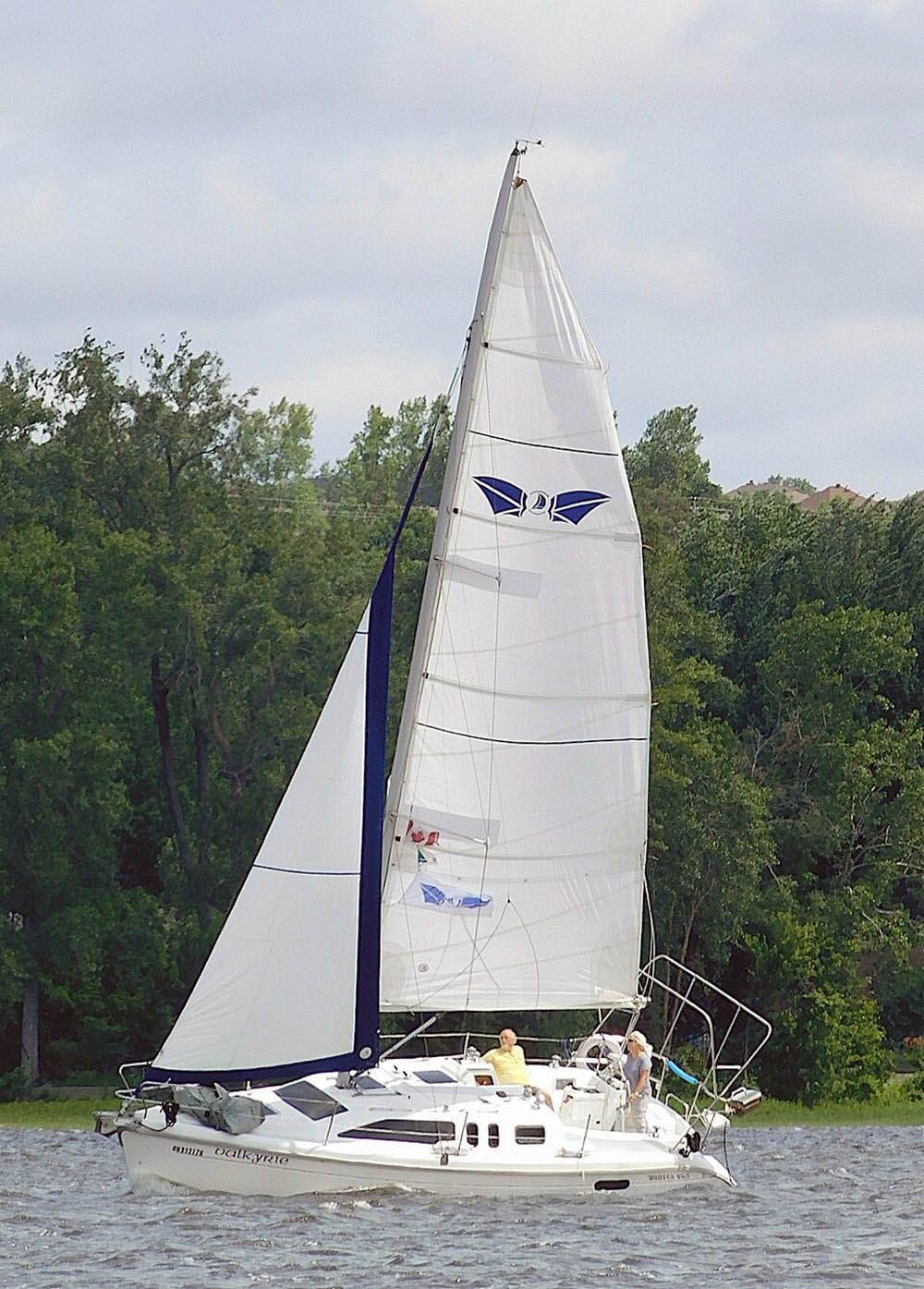
On the water the 29.5 tends to feel lively in light to moderate breeze thanks to its relatively large sail area and moderate displacement, and many owners report satisfying acceleration and a predictable helm when properly trimmed. The hull speed derived from the ~27 ft waterline places practical cruising speed in the high-5s to mid-6 knot band, and the boat will show its best manners reaching and on close reaches; in very light air the generous rig helps, but heavier, choppier seas expose the limits of a production cruiser of this size — it will pound sooner than modern light-displacement 30-footers. Compared with heavier traditional 30-foot cruisers the 29.5 usually feels quicker and more responsive, while compared with newer beamy cruisers it trades interior volume for a more engaging helm. Owners commonly praise its ease of single- or short-handed sailing, though some note that the main and winch sizing can feel large for a small crew unless a reefing plan is in place.
Comfort and Accommodations
Hunter stretched beam into the mid-section to give surprisingly usable below-decks space for a boat just under 30 feet. Typical interiors sleep four comfortably with a forward V-berth, saloon settees that convert to bunks, a modest galley and a single head — storage and tankage were sized for weekend and short-cruise use. Headroom and ergonomics are competitive for the class (many listings show headroom around 6′-2″), so a couple or small family will find the layout workable for multi-day trips; long-term liveaboard comfort is limited by tankage and small galley area unless the owner invests in upgrades. Because factory joinery was simple and durable, many used examples show owner-level refreshes rather than wholesale rebuilds, which keeps refurbishment budgets manageable for buyers who prefer to upgrade incrementally.
Safety and Practicality
The cockpit and deck plan emphasize safety for common coastal scenarios: broad sidedecks, secure handholds and a cockpit big enough to shelter a small crew. The moderate draft (roughly 4 ft depending on keel) makes the boat suitable for a wide spectrum of harbors and anchorages, while conventional through-hulls and accessible engine bays make routine maintenance and emergency repairs straightforward for owners or local yards. For coastal and near-offshore work the hull and systems are adequate, but anyone planning sustained offshore passages should budget for upgraded electronics, checked/renewed rigging and modern safety gear. The boat’s simplicity — conventional diesel options, easily reached seacocks and common spare parts — helps keep operating costs predictable.
Known Issues with the Bavaria 30 Cruiser
Because Hunters were production boats sold in volume, common survey items recur across the fleet and are worth watching when evaluating a purchase. Forum and owner reports frequently cite localized plywood or core rot under tanks or around poorly bedded fittings, occasional soft spots in decks or toerails where bedding failed, and the need to inspect standing rigging and chainplate areas on older examples. Some owners also note the large mainsail and the effort required to hoist and handle it on a small crew unless winches and reefing are sized appropriately. Practical, commonly recommended upgrades include re-bedding or reinforcing deck fittings, checking and replacing fatigued rigging, repowering older petrol engines with compact diesels if present, and fitting a low-drag prop (folding/feathering) or better winch packages to ease sail handling. These are familiar repairs in the used market and, when done up front, restore reliability without exotic expenditure.
Market Availability and Pricing in the U.S.
The 29.5 is out of production and circulates only on the used market; U.S. listings are common enough that a motivated buyer can find examples coast-to-coast, often in New England, the mid-Atlantic, the Great Lakes and pockets on the West Coast. Asking prices on broker sites and classifieds vary with condition and location — recent advertised examples range from bargain project prices in the low-teens to well-presented, serviced boats near the high-$20k to low-$40k band; valuation services and large marketplace listings show mid-range retail values typically in the $12,000–$40,000 area depending on year, repower and survey findings. For value-minded coastal cruisers the 29.5 often represents good bang-for-buck because initial prices are modest and many mechanical or cosmetic items are owner-serviceable; resale liquidity is fair, especially in regions with active brokerage traffic.
Below is a comparison with similar sailboats from the same era:
| Model | LOA | Year (approx.) | Typical used price (U.S.) | Main differences |
|---|---|---|---|---|
| Hunter 29.5 | ~29.5 ft | 1994–1996 | $12,000–$40,000. :contentReference[oaicite:7]{index=7} | Production cruiser with a generous sailplan and interior volume for its size; accessible systems and owner-serviceable layout. |
| Catalina 30 | ~30 ft | 1970s–1990s (many variants) | $8,000–$35,000 (wide range by year/condition). :contentReference[oaicite:8]{index=8} | Iconic mass-market cruiser with massive aftermarket support and strong resale liquidity; older design but very common on the used market. |
| Beneteau Oceanis 311 | ~31 ft | Late 1990s–early 2000s | $35,000–$60,000 (market dependent). :contentReference[oaicite:9]{index=9} | Roomier interior and dealer support; often trades at a premium in U.S. markets where Beneteau is common. |
| Hunter 290 | ~29 ft | Late 1990s–early 2000s | $20,000–$35,000 (examples vary). :contentReference[oaicite:10]{index=10} | Later Hunter sibling with similar systems and modern conveniences; often a more refined successor in layout and fittings. |
Bavaria 30 Cruiser vs Catalina 30

The Hunter 29.5 generally trades a bit of the Catalina 30’s raw interior volume for a more modern rig and a livelier feel under sail—Hunter’s approach in the 29.5 was to maximize sailing performance for the size while keeping accommodations useful for weekend cruising. Catalina’s biggest practical advantage is its ubiquity: parts, community knowledge and resale paths are easier for Catalina owners, while the 29.5 often rewards a buyer who values slightly better light-air speed and a more contemporary deck layout.
When assessing ownership, pick Catalina if you want the easiest resale and the widest aftermarket support; pick the Hunter if you prioritize a sharper helm and are comfortable doing selective upgrades and maintenance to keep systems fresh.
► Learn more about the Catalina 30
Bavaria 30 Cruiser vs Beneteau Oceanis 311

Compared with the Oceanis 311, the Hunter is the smaller, lighter-styled boat that often gives a more responsive feel and easier single-handing in moderate breezes, while the Oceanis amplifies living space, tankage and dealer support. The Oceanis tends to be pricier on the used market and is generally easier to outfit for longer cruising, but the Hunter’s lower purchase price and simpler systems make it cheaper to bring back to top condition for coastal cruising.
Buyers focused on liveaboard comfort, larger tankage and a larger support network will lean toward the Beneteau; buyers focused on day-to-day sailing enjoyment and a modest ownership budget will find the Hunter makes practical sense.
► Learn more about the Beneteau Oceanis 311
Bavaria 30 Cruiser vs Hunter 290
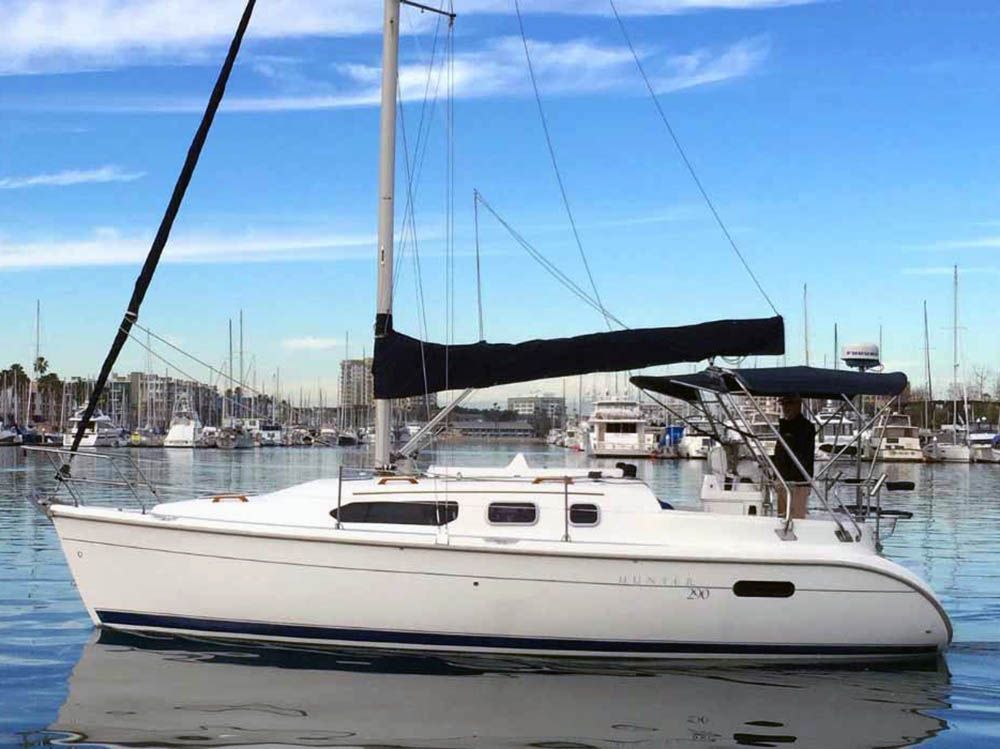
The Hunter 290 (a later, slightly reworked sibling) offers some of the same DNA — accessible systems, family-friendly layouts — but typically adds refinements in ergonomics and options that reflect incremental evolution. The 29.5 can feel a touch rawer and more performance-oriented relative to some 290 variants, which makes it appealing to owners who prioritize sailing feel over factory-fitted creature comforts.
From a maintenance and parts perspective, the platform commonality between Hunters is an advantage: both are straightforward for yards and owners, but later 290s may command slightly higher asking prices because of improvements and newer gear.
► Learn more about the Hunter 290
Maintenance Costs of a Bavaria 30 Cruiser in the U.S.
Typical annual and periodic expenses (approximate ranges; regional variation applies):
- Mooring / slip fees: $1,200–$6,000 per year depending on location (inland lakes and warm-water marinas at the low end; New England & California at the high end).
- Insurance: $300–$1,200 per year (age, value and cruising range influence premiums).
- Engine servicing (annual): $250–$900 (routine diesel service; older petrol engines, if present, can have different cost profiles).
- Antifouling paint & haul-out: $400–$2,000 every 1–3 years (labor and material rates vary widely by region).
- Standing & running rigging inspections / partial renewals: $200–$1,800 (inspection annually; full standing rigging replacement every 8–15 years depending on use).
- Sails (maintenance / replacement amortized): $200–$1,500 per year amortized; full main+headsail replacement typically $2,500–$6,000 as a one-time major expense.
Significant one-time costs to budget for include deck/soft-spot repairs or tank area plywood replacement (a not-uncommon survey find), repowering older petrol engines with a compact diesel, prop upgrades (folding/feathering), and electronics modernisation. Many routine jobs are owner-doable (bottom paint, varnish, small plumbing/electrical tasks), but structural deck or core repairs and major repowers require professional yards and substantially raise costs. Overall, a well-kept Hunter 29.5 is low-to-medium in annual running costs for its size, but prudent buyers should set aside funds for intermittent larger works revealed by a thorough survey.
Conclusion
The Hunter 29.5 is a practical package for buyers who want a compact coastal cruiser that sails with verve, is straightforward to maintain, and can be purchased at an attractive entry price. Its strengths are a generous sailplan for light-air performance, accessible systems, and an interior layout that punches above its length for weekend cruising. Its weaknesses are the usual ones for production boats of the era — potential localised deck or plywood issues around fittings/tanks, dated engines on some examples, and the need to check rigging and hardware during survey. For a buyer seeking an economical, fun coastal cruiser that is roomy enough for a couple or small family and reasonably straightforward to bring to modern standards, the Hunter 29.5 is a sensible option and often represents good value when purchased with a careful survey and a modest budget for the predictable updates.
Specifications
| Hull Type | Fin w/spade rudder |
| Rigging Type | Masthead Sloop |
| LOA | 29.50 ft / 8.99 m |
| LWL | 27.00 ft / 8.23 m |
| Sail Area (reported) | 406.00 ft² / 37.72 m² |
| Beam | 10.50 ft / 3.20 m |
| Displacement | 7,500 lb / 3,402 kg |
| Ballast | 2,680 lb / 1,216 kg |
| Max Draft | 4.00 ft / 1.22 m |
| Construction | Fiberglass (FG) |
| First Built | 1994 |
| Builder | Hunter Yachts (USA) |
| Designer | Rob Mazza / Hunter Design Team |
| Auxiliary Engine | Yanmar Diesel, 20 gal fuel |
| Fresh Water Capacity | 40 gal / 151 L |
| S.A. / Displ. | 17.01 |
| Bal. / Displ. | 35.73 |
| Disp./Len | 170.11 |
| Comfort Ratio | 18.23 |
| Capsize Screening Formula | 2.15 |
| Sail Number | 3.08 |
| Hull Speed | 6.96 kn |
| Pounds/Inch Immersion | 1,012.98 lb/in |
| I | 34.00 ft / 10.36 m |
| J | 10.33 ft / 3.15 m |
| P | 36.33 ft / 11.07 m |
| E | 12.67 ft / 3.86 m |
| S.A. Fore | 175.61 ft² / 16.31 m² |
| S.A. Main | 230.15 ft² / 21.38 m² |
| S.A. Total | 405.76 ft² / 37.70 m² |
| S.A. / Displ. (calc.) | 17.00 |
| Estimated Forestay Length | 35.53 ft / 10.83 m |
Disclaimer
The considerations and analyses presented regarding the Bavaria 30 Cruiser sailboat are of a general nature and are based on the available information and technical data on this model, interpreted to the best of our knowledge and understanding. It is important to note that the specific characteristics of any particular sailboat may vary due to custom modifications, maintenance performed, and conditions of use over time, among other factors. Therefore, the details and performance of the boat you are considering may not exactly match the information provided here.
We strongly recommend that, before making any purchasing or usage decisions, you conduct a detailed inspection of the boat in question, consult with nautical professionals and other sailors, and consider your personal needs, expectations, and capabilities. Each sailboat may have unique particularities that affect its performance and suitability for different types of sailing and sailors.
The information contained in this analysis should be used as a general guide and not as a definitive reference. Professional evaluation and personal inspection are essential to ensure that the boat meets your specific requirements and expectations.