


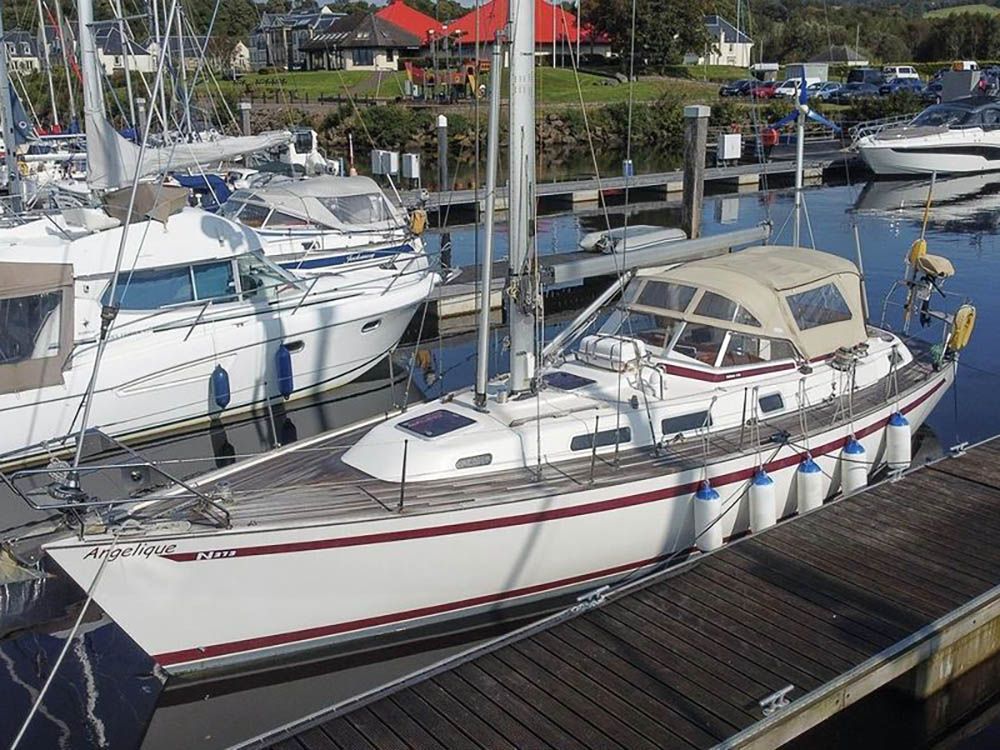
The Najad 373 is a purpose-built cruising yacht that sits squarely in the “comfortable, go-anywhere” corner of the market. Launched around 1999 and produced through the early 2000s by Najadvarvet on Orust (Sweden), the 373 is the product of Najad’s move to combine its traditional solid construction with a Judel/Vrolijk hull shape and in-house refinement by Najad designers. That pedigree explains the model’s intent: a seaworthy, well-finished coastal and offshore cruiser for owners who value build quality and comfort over racing performance. On the used market the 373 is a niche but steady seller—not a volume boat like a Catalina, but sought after by cruisers and private owners who appreciate solid Swedish joinery; it more rarely appears as a charter or school boat in the U.S., and when it does it tends to trade at a premium for clean, well-documented examples.
Design and Construction
Najad approached the 373 as a moderate-displacement cruiser: hand-laid GRP hull and a Divinycell sandwich deck, a lead fin keel (with two draft options) and a skeg-mounted, partially balanced rudder—choices that favor seakeeping and long-term durability over minimal weight. The Judel/Vrolijk hull lines give a relatively slender waterline-to-beam ratio and a D/L in the mid–200s, which translates into comfortable motion in a seaway and respectable load-carrying for cruising gear and water tanks. The center-cockpit layout places the engine under the cockpit sole (making mechanical access straightforward) and creates a private aft cabin—useful for couples or families who want separation between living and sleeping spaces. These construction choices (sandwich deck, bolted lead keel, skeg-hung rudder, teak overlays) make the boat robust but also imply particular maintenance items: deck caulking and teak work, careful attention to deck penetrations, and the occasional need to service keel bolts and seacocks as the boat ages. For buyers that means a premium up front for construction quality, and a predictable maintenance path rather than surprise structural work.

Performance
On the water the Najad 373 behaves like a classic cruising yacht: hull speed is around 7.5–7.6 knots and the boat shows a steady, confidence-inspiring motion in mixed seas rather than skittering or surfing. Under sail it points well for a cruising design, tacks predictably with main and genoa, and carries momentum through short, choppy seas—attributes owners report make coastal passages and longer passages comfortable and manageable with a small crew. Because the boat was designed with a moderate sail area to displacement ratio and a relatively deep ballast, it trades outright acceleration and planing top-end for steadiness and fewer violent motions, which many bluewater buyers prefer. Compared with lighter production cruisers of the same length the Najad will usually feel heavier off the wind and slower to accelerate, but it will also feel more planted in a blow and will keep more of its motion damping when laden for cruising.
Comfort and Accommodations
The interior of the 373 follows Najad’s focus on liveability. Typical layouts include a comfortable aft double cabin, a full saloon with long settees, a practical nav station and a forward V-berth, arranged to separate living and sleeping spaces without crowding. The finish is usually teak joinery and solid furniture, giving a warm, durable feel that stands up to long-term use; headroom is respectable for a 37-foot boat (reported around 6.2 ft in many specifications), and storage is generous for a vessel of this size.
For a couple cruising long-term the boat is very liveable: galley ergonomics and storage tend to be well thought-out, and the saloon converts easily for extra bunks when guests join. Families will find the 373 comfortable for extended weekends and coastal passages, and with sensible refits it will support longer ocean passages. Because the joinery is solid rather than lightweight, many interiors age gracefully; it’s common to see boats with original woodwork but refreshed upholstery and updated systems rather than full-scale remodels.
Safety and Practicality
Deck ergonomics on the 373 emphasize offshore practicality: a protected cockpit, good handholds, and a layout that keeps primary lines within reach. The skeg-hung rudder adds a layer of mechanical protection that many bluewater sailors value, and the deeper keel options give both righting moment and load-bearing performance when weather is up. Access to the engine is typically straightforward—engine spaces arranged below the cockpit sole make routine servicing simpler than on some companionway-tucked arrangements.
For owners considering offshore passages, the 373 arrives with the bones needed for serious cruising with relatively modest modification: upgrade navigation/electronics, refresh standing rigging as needed, and ensure seacocks, through-hulls and chainplate beds are in good condition. For coastal use the vessel is unquestionably over-equipped in structure and amenities, which is good news for durability but means paying for systems you may rarely need if you only do weekend hops.
Known Issues with the Najad 373
Owners’ forums and brokerage notes tend to single out a handful of recurring items—many are age-related rather than model-specific. Common items to watch for on inspection include:
- aging standing rigging and fittings (replacement cycles typically every 15–20 years depending on usage);
- deck-core delamination or water ingress around poorly bedded deck hardware and chainplates;
- tired engine installations or transmission components in older examples, especially if service records are incomplete;
- dated electronics and wiring that benefit from modernisation;
- propeller, shaft and cutlass bearing wear—many owners opt for newer, more efficient prop designs during refits.
Some Najad 373s show very little structural deterioration thanks to careful ownership; others, especially boats that spent long periods in storage or were sailed hard without refits, carry a backlog of maintenance. Practical, commonly recommended improvements for buyers include replacing standing rigging if age is uncertain, re-bedding or backing up chainplates and through-deck fittings, upgrading primary electronics, and fitting modern sail handling (roller furling, self-tailing winches) where absent.
Market Availability and Pricing in the U.S.
The Najad 373 is no longer in production; examples reach the U.S. market primarily as imports or through brokerage resales of privately owned boats. Listings appear intermittently on brokerage sites and yacht brokers that specialize in European cruising yachts, with examples commonly located on both U.S. coasts—Florida, New England, the Chesapeake and the Pacific Northwest/California are typical places to find them ashore or in marina listings.
Typical asking prices vary widely with condition, refit history and equipment; conservatively framed, a practical range for U.S. listings is $70,000–$180,000, with sharply equipped, recently refitted examples asking toward the top end and project boats at the bottom. (Brokerage snapshots have shown individual listings above this band depending on gear and region.)
Below is a short comparison with three models that buyers often weigh against the Najad 373: the Catalina 36, Jeanneau Sun Odyssey 36.2 and the Dufour 36. These are broadly comparable in LOA and intended use but differ in construction philosophy, finish level and market positioning.
Below is a comparison with similar sailboats from the same era:
| Model | LOA | Approx Years | Typical US Used Price (approx) | Main Differences |
|---|---|---|---|---|
| Catalina 36 | 36′ | 1985–2008 (various marks) | $20,000–$80,000 | American production, spacious interior, easier and cheaper systems; lighter build and lower resale in premium markets. |
| Jeanneau Sun Odyssey 36.2 | 36′ | Late 1990s–mid 2000s | $40,000–$100,000 | European production cruiser with more modern hull forms for the era; lighter displacement and often faster in light airs but less heavy-duty finish. |
| Dufour 36 (classic) | 36′ | Late 1990s–2005 | $45,000–$95,000 | Generally lighter and aimed at the owner/cruiser market; often more performance-oriented tuning possible but typically not as heavily built as Najad. |
Najad 373 vs Catalina 36

The Najad 373 emphasizes heavy build, a skeg-supported rudder and a sandwich laminate that prioritizes longevity and offshore security; the Catalina 36 is an American production design that favors interior volume and economy of systems. While a Catalina will usually offer more interior volume for the money and simpler, cheaper maintenance items, the Najad gives a firmer sense of mechanical solidity and a more sea-kindly motion in rough conditions—attributes that matter if you plan extended offshore cruising rather than primarily coastal weekend sailing.
► Learn more about de Catalina 36
Najad 373 vs Jeanneau Sun Odyssey 36.2
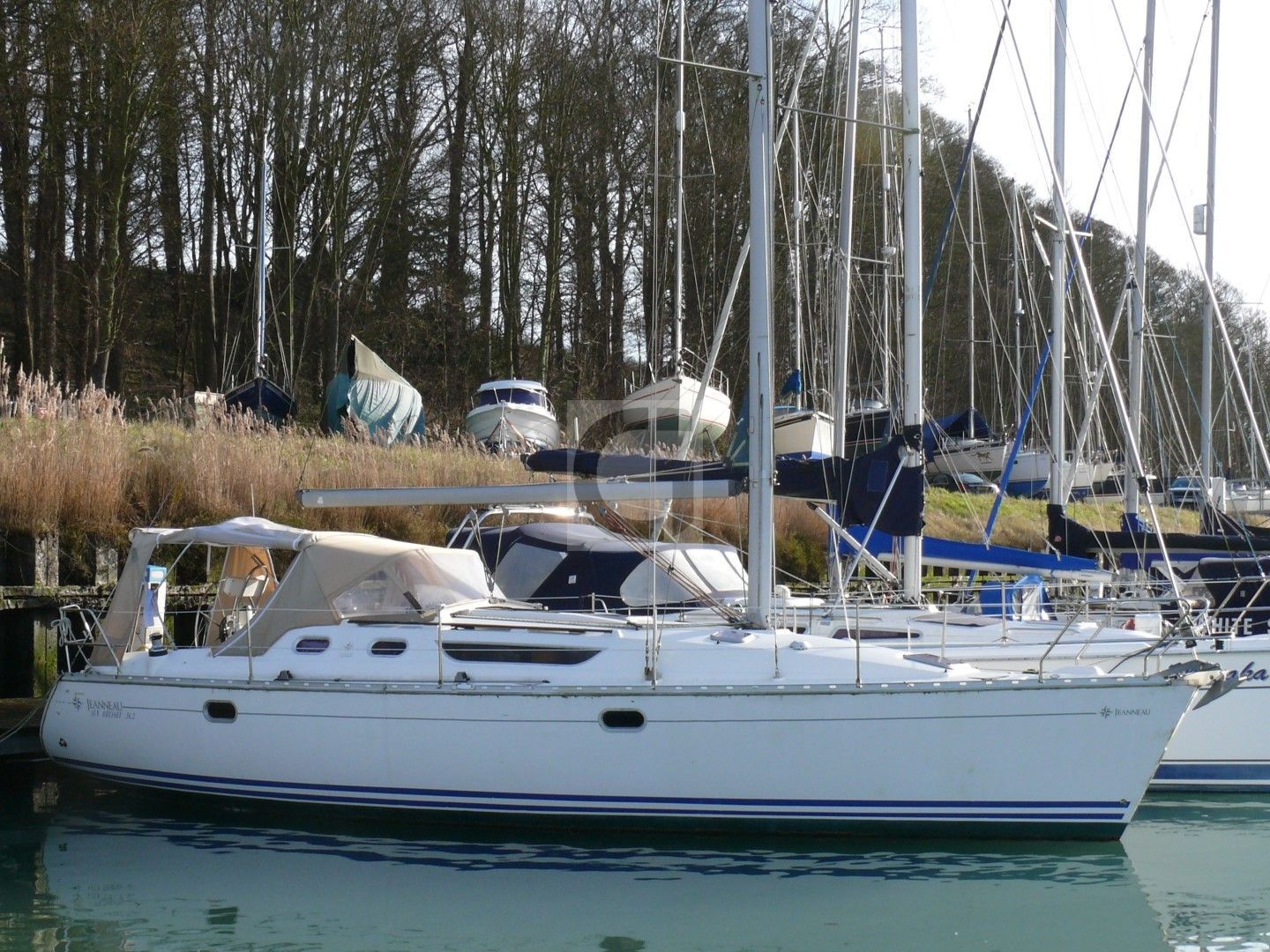
Compared with the Jeanneau 36.2, the Najad trades somewhat lighter displacement and crisper light-air performance for durability and a quieter, more controlled ride in a chop. The Jeanneau often comes with newer hull lines for the era and a larger dealer network for parts and service, but the Najad’s higher-grade interior joinery and protected underwater profile make it a stronger candidate where long-term structural resilience and resale among bluewater sailors are priorities.
► Learn more about de Jeanneau Sun Odyssey 36.2
Najad 373 vs Dufour 36 Classic
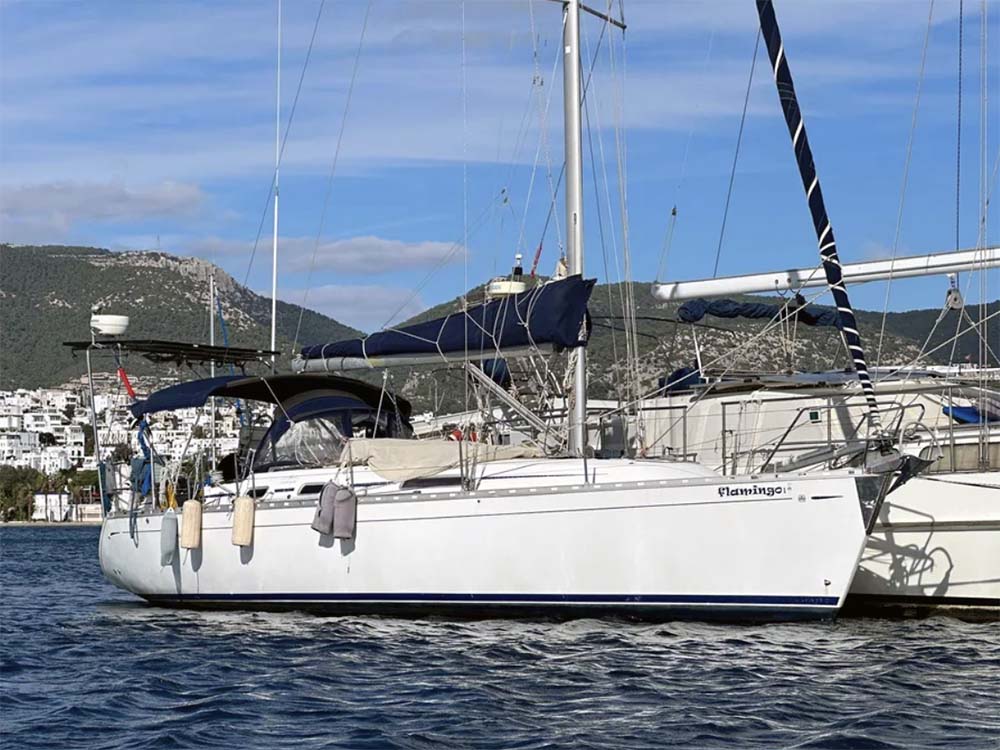
Both the Dufour and the Najad are aimed at owner-cruisers, but the Dufour typically skews toward lighter construction and slightly more performance bias for the same length, while Najad skews toward comfort and robustness. Owners choosing the Dufour may accept more frequent cosmetic and sail upgrades to reach performance targets, whereas Najad owners pay a premium up front for a build that often requires less structural attention and holds value better in specialist cruising markets.
► Learn more about de Dufour 36 Classic
Maintenance Costs of a Najad 373 in the U.S.
Typical annual and periodic costs for a Najad 373—presented as a commented list, with each item in bold and a short explanatory note:
- Mooring/Slip — $3,600–$10,000+ per year (wide regional variation; marina berths are costly in high-demand areas like Newport or San Francisco).
- Insurance — $600–$2,000+ per year (depends on cruising range, claims history and insured value).
- Engine servicing — $400–$1,200 per year for routine service; larger overhauls $3,000–$8,000 depending on hours and parts.
- Antifouling paint — $600–$2,500 every 1–3 years (haul, prep and paint; teak or extra bottom work adds cost).
- Standing rigging inspection/replacement — inspection ~$200–$500 annually; full replacement commonly $3,000–$7,000 as a multi-year event.
- Sails (maintenance/replacement) — small repairs/UV patches $100–$500 per year; mid-life replacement $4,000–$12,000 depending on sailmakers and sail inventory.
- Routine systems and fittings — $500–$2,000 annually (through-hull service, zincs, pumps, bilge gear, seacocks).
- Electronics and nav upgrades — one-time midrange refit $3,000–$15,000 depending on scope (radar, chartplotter, AIS).
Region matters: the Northeast and California tend to push haulout, storage and slip fees higher; the Gulf and parts of the Southeast can be cheaper for marina costs but may increase corrosion and maintenance demands due to humidity and warmer waters. Significant one-time costs to budget for include full sail inventories, standing-rigging replacement, major engine overhauls and substantial electrical/electronics refits.
A well-handed owner can perform a large portion of varnish, minor systems work and routine antifouling preparation, lowering costs. However, structural tasks (rig replacement, major engine work, complex electronics) typically require professionals. Overall, for a 37-foot bluewater cruiser the Najad 373 sits in the medium to higher maintenance bracket—initial acquisition may be higher than comparable production cruisers, but resale values and longevity often justify the investment if you plan serious cruising.
Conclusion
The Najad 373 is a deliberate choice: it is not the cheapest 37-footer on the market, nor the fastest in light air—but it is a thoughtfully engineered cruising platform that rewards owners who value build quality, comfort underway and a hull that can be serviced and preserved for decades. Strengths include robust construction, comfortable motion in a seaway, well-considered interior ergonomics and a small but loyal market of experienced cruisers who prefer Swedish craftsmanship. Weaknesses are its comparatively higher acquisition and maintenance baseline, the need for vigilant deck-hardware bedding because of cored decks, and a smaller dealer/support network in North America compared with major production brands.
For a buyer focused on coastal family cruising or serious offshore passages, the Najad 373 is worth pursuing if you can find an example with good maintenance records. It represents a pragmatic long-term investment for owners who prize durability and resale among cruising-minded buyers; for casual weekenders who prioritize interior volume or the lowest possible operating budget, an alternative production cruiser might be a better match. Overall, if your priorities are seaworthiness, finish quality and long service life, seeking a well-maintained Najad 373 is a reasonable and often rewarding choice.
Specifications
| Hull Type | Fin with rudder on skeg |
| Rigging Type | Masthead Sloop |
| LOA | 37.07 ft / 11.30 m |
| LWL | 31.99 ft / 9.75 m |
| S.A. (reported) | 705.00 ft² / 65.50 m² |
| Beam | 11.97 ft / 3.65 m |
| Displacement | 18,298 lb / 8,300 kg |
| Ballast | 6,834 lb / 3,100 kg |
| Max Draft | 6.23 ft / 1.90 m |
| Construction | Fiberglass (FG) |
| Ballast Type | Lead |
| First Built | 1999 |
| Last Built | 2005 |
| Builder | Najad Varvet AB |
| Designer | Judel/Vrolijk |
| Auxiliary Power | Yanmar 4JH3-BE, Diesel, 53 HP |
| Fuel | 48 gals / 180 L |
| Water | 83 gals / 315 L |
| Headroom | 6.23 ft / 1.90 m |
| S.A./Displ. (reported) | 16.31 |
| Bal./Displ. | 37.35 |
| Disp./Len. | 249.52 |
| Comfort Ratio | 30.93 |
| Capsize Screening Formula | 1.82 |
| S# | 1.96 |
| Hull Speed | 7.58 kn |
| Pounds/Inch Immersion | 1,368.22 lb/inch |
| Rig Dimensions (I/J/P/E) | I: 47.57 ft / 14.50 m J: 13.94 ft / 4.25 m P: 44.00 ft / 13.41 m E: 14.00 ft / 4.27 m |
| Sail Area Fore | 331.56 ft² / 30.80 m² |
| Sail Area Main | 308.00 ft² / 28.61 m² |
| Total Sail Area | 639.56 ft² / 59.42 m² |
| S.A./Displ. (calc.) | 14.79 |
| Estimated Forestay Length | 49.57 ft / 15.11 m |
| Mast Height from DWL | 54.95 ft / 16.75 m |
Disclaimer
The considerations and analyses presented regarding the Najad 373 sailboat are of a general nature and are based on the available information and technical data on this model, interpreted to the best of our knowledge and understanding. It is important to note that the specific characteristics of any particular sailboat may vary due to custom modifications, maintenance performed, and conditions of use over time, among other factors. Therefore, the details and performance of the boat you are considering may not exactly match the information provided here.
We strongly recommend that, before making any purchasing or usage decisions, you conduct a detailed inspection of the boat in question, consult with nautical professionals and other sailors, and consider your personal needs, expectations, and capabilities. Each sailboat may have unique particularities that affect its performance and suitability for different types of sailing and sailors.
The information contained in this analysis should be used as a general guide and not as a definitive reference. Professional evaluation and personal inspection are essential to ensure that the boat meets your specific requirements and expectations.