



The Hunter 460 arrived on the market in the late 1990s as a purpose-built cruiser from Hunter Marine (now Marlow-Hunter), designed by the in-house Hunter design team to appeal to couples and small families seeking comfortable coastal and extended cruising rather than hard-core club racing. Its design intent emphasizes easy handling (the B&R rig and user-friendly sailplan), roomy accommodations and a large, sheltered cockpit—qualities that made it attractive to owners moving up from 30–40 ft family cruisers. Built during a period when production builders were prioritizing interior volume and systems integration, the 460 found steady demand on the used market as both owner-cruiser and liveaboard platforms; today it appears regularly in U.S. listings aimed at private buyers and couples who prize comfort and simplicity over racing pedigree.
Design and Construction
The Hunter 460 uses a moderate-aspect fin keel paired with a spade rudder and a relatively beamy hull, a configuration that trades some windward perfection for interior volume and predictable handling. Its standard B&R fractional sloop rig reduces standing rigging complexity and allows a larger roach main, which simplifies sail handling for short-handed crews but also concentrates load paths into the mast step and chainplates — something buyers should inspect carefully on older examples. Construction is traditional fiberglass hand-laminate for hull and deck with balsa or foam core elements in deck structures; this makes routine repairs straightforward for experienced yards but requires vigilance at core interfaces and through-deck fittings to avoid water intrusion. From a naval-architecture perspective the Hunter prioritizes form stability (beam and hull flare) over light-air racing metrics, which benefits motion comfort and interior space but will show in lower SA/D ratios versus contemporary performance-oriented cruisers.

Performance
On the water the 460 feels like a cruising yacht that will move respectably in moderate winds but is not built to outpoint refined European cruisers; the boat’s sail area to displacement and hull shape yield comfortable cruising speeds and an easy motion in a seaway. The B&R rig and larger mainsail allow good control under reefing and make short-handed sail changes straightforward, while the fin keel gives relatively nimble maneuvering in tight marinas. In heavier chop the beam and displacement provide a steady ride, although the boat will pound more than heavier, full-keel bluewater designs and will be slower to windward than more performance-biased 45–47 footers. Owners commonly report the 460 is dependable and forgiving—qualities that translate to confidence on realistic cruising passages rather than outright speed in club racing.
Comfort and Accommodations
Interior planning is a clear selling point: generous headroom, wide saloon seating, and abundant storage make living aboard comfortable for a couple or for family cruising with two children. The large cockpit and protected helm are designed around social use and safe watchkeeping, and the cabin layouts typically include multiple stateroom and head options that favor privacy and practical storage over minimalist, race-oriented interiors. Ventilation and natural light are adequate for temperate climates, though continental-style joinery and soft goods may show wear and require cosmetic updates on older boats; many used 460s have had upholstery or galley upgrades that modernize habitability. For buyers considering extended liveaboard use, the 460’s interior is forgiving and functional; for those wanting a light, racier feel underway, the tradeoff is obvious in the weight and volume that define its comfort.
Safety and Practicality
The deck layout emphasizes wide side decks, a safe cockpit coaming, and easy lines-of-sight from the helm, which improves crew movement and watchability in rough conditions. The B&R rig reduces the need for running backstays but concentrates loads into fewer attachment points—so regular inspection of chainplates, mast step area and spreader fittings is a practical requirement. Systems are generally accessible: engine rooms are reachable and mechanical components follow familiar layouts for U.S. cruisers, which helps keep maintenance costs manageable for owners who do moderate DIY. With sensible upgrades (e.g., modern ground tackle, updated electronics, and reliable seacocks), the 460 is suited to coastal and offshore cruising without major structural modifications, though prudent buyers should budget for professional yard work for critical survey items.
Known Issues with the Hunter 460
Owners and forum reports highlight a few recurring maintenance topics that prospective buyers should verify: core and through-deck leaks around winch or stanchion bases, wear on chainplates and standing rigging with age, and the usual suspects—dripless shaft seals, exhaust hose deterioration, and needing updated engine mounts or alignment. Osmosis is not commonly cited as endemic on well-maintained hulls, but gelcoat blistering can appear on older, neglected examples; routine survey checks and moisture testing are prudent. Commonly recommended upgrades by experienced owners include modernizing electronics and navigation, replacing older headsail furlers or jib sheets for better control, and fitting a new prop or feathering propeller to improve light-air performance and motoring economy. These are practical, relatively predictable fixes that a buyer can budget for and that often materially increase resale appeal.
Market Availability and Pricing in the U.S.
The Hunter 460 is no longer in production and is available only on the used market; typical listings on major U.S. brokers show asking prices generally ranging from $99,500 to $145,000 depending on year, equipment and condition. Boats tend to appear most often in East Coast markets (Florida, the Chesapeake Bay and New England) and West Coast pockets (San Diego, the Pacific Northwest), with many well-maintained private owner examples as well as a handful of ex-charter or long-term liveaboard boats. Compared to contemporaries, the 460 often represents good value for buyers seeking interior space and easy handling vs. a bluewater pedigree—its price points are commonly below similarly equipped European cruisers of the same LOA, reflecting the Hunter brand positioning and the tradeoffs in refinement versus raw sailing performance.
Here’s a quick comparison with similar models:
| Model | LOA | Approx. Years Built | Typical Used Price (U.S.) | Key Differences |
|---|---|---|---|---|
| Hunter 460 | 46.1 ft | 1999–2001 | $99,500 – $145,000 | B&R rig, large cockpit, interior volume prioritized over racing performance. |
| Catalina 470 | ≈46–47 ft | 2000s | $125,000 – $265,000 | American-style robust systems, emphasis on simplicity and heavy-weather comfort; often higher asking prices. |
| Beneteau Oceanis 461 | ≈46.6 ft | mid-1990s – early-2000s | $109,000 – $150,000 | European hull tuning, slightly lighter displacement and a sailing bias compared with Hunter’s volume focus. |
| Jeanneau Sun Odyssey 45.2 | ≈46.4 ft | 1997–2003 | $110,000 – $175,000 | More performance-oriented feel, contemporary layouts and often better upwind pointing than the Hunter. |
Hunter 460 vs Catalina 470

The Hunter 460 emphasizes user-friendly systems, a large cockpit and interior volume that make short-handed cruising and family comfort primary selling points, while the Catalina 470 tends to favor heavier-built systems and simplified robustness that appeal to owners planning serious offshore passages. Under sail the 460 will feel livelier in lighter winds due to its sailplan and displacement profile, but the Catalina often outshines it in directional steadiness and heavy-weather confidence thanks to conservative engineering and heavier displacement.
Interiorly, both boats prioritize liveability, but the Hunter’s layout generally delivers better social spaces and modern ergonomics for weekend and seasonal cruising; the Catalina’s layouts skew toward durability and ease of maintenance for owners who value straightforward systems work. Maintenance on the Catalina can be more forgiving for owner-mechanics, whereas some Hunter details (rig attachments, deck cores) may require professional attention over time, influencing ownership cost and survey priorities.
► Learn more about de Catalina 470
Hunter 460 vs Beneteau Oceanis 461
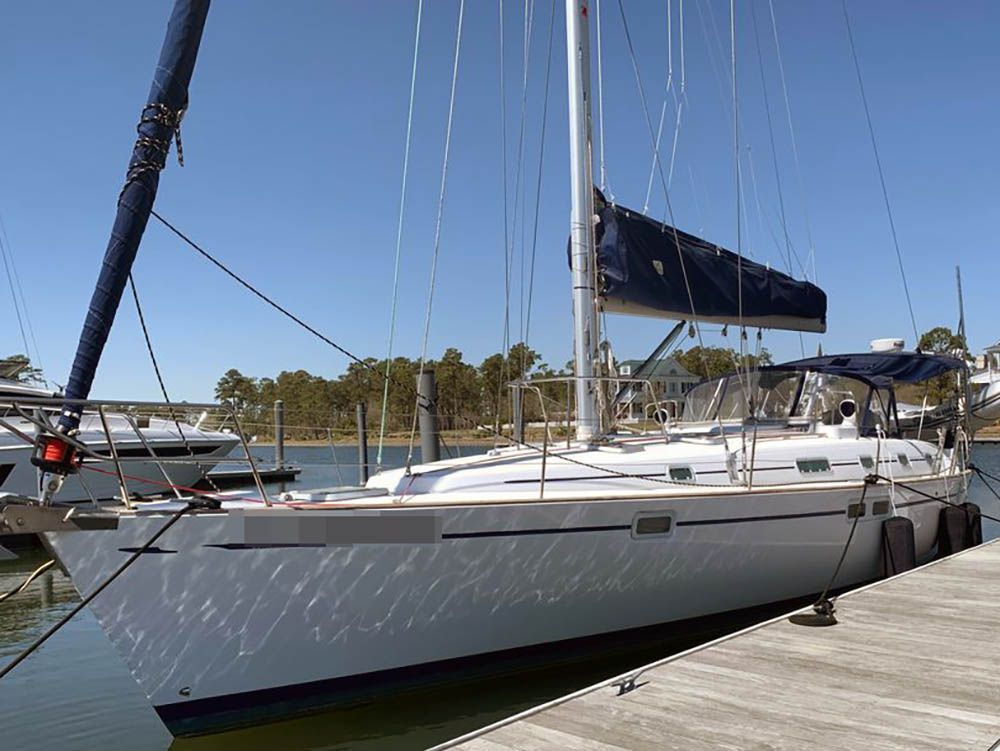
Compared to the Beneteau Oceanis 461, the Hunter 460 leans more toward maximizing cockpit and saloon comfort, while the Oceanis shows a European design bias toward slightly sharper entries and a hull tuned for a crisper sailing feel. The Oceanis often points better to windward and feels a touch sportier, which benefits buyers who plan longer coastal passages at pace; the Hunter counters with a more protected cockpit and easier sail handling for a small crew.
For practical ownership, Beneteau fittings and systems sometimes require yard expertise familiar with European installations, whereas Hunter components are often domestic and easier to source or service locally; these differences affect both ongoing costs and buyer preferences when evaluating used examples.
► Learn more about de Beneteau Oceanis 461
Hunter 460 vs Jeanneau Sun Odyssey 45.2
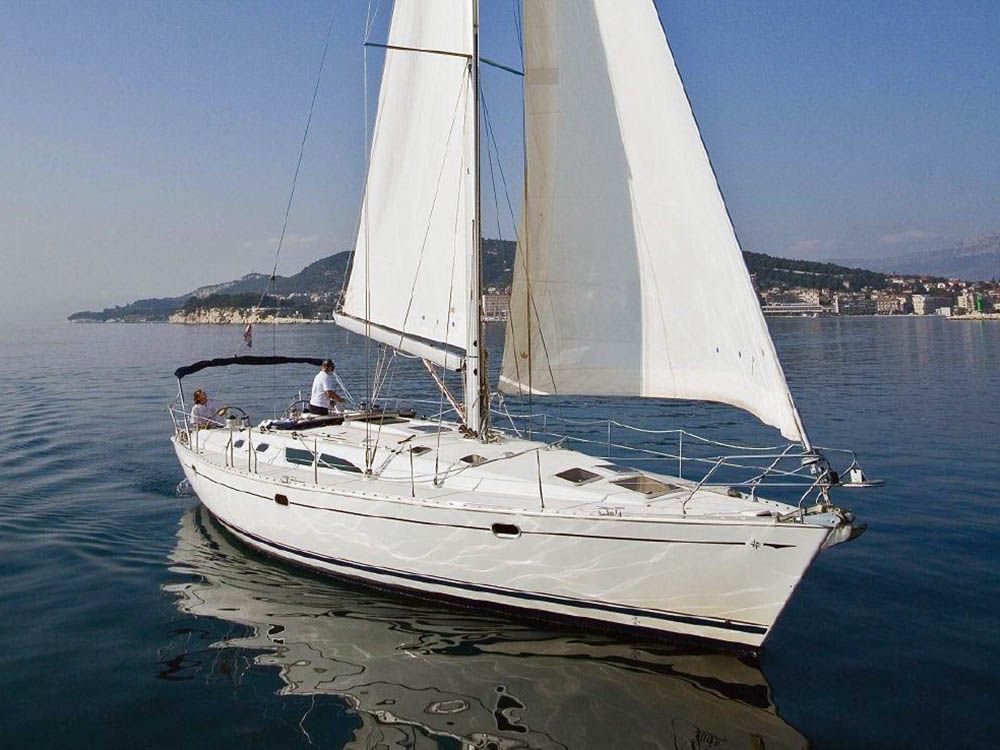
The Jeanneau Sun Odyssey 45.2 tends to present a more performance-leaning hull and sail inventory than the Hunter 460, delivering a livelier helm and better upwind capability that will please sailors who occasionally push for club racing or higher average passage speeds. The Hunter, however, trades some of that performance for a more social cockpit and simplified single-handed systems that reduce crew workload during family cruising.
From an ownership standpoint, the Jeanneau’s European lines and fittings may attract buyers seeking a refined sailing feel and resale appeal in some markets, while the Hunter’s domestic pedigree can make inspection, parts and routine maintenance more straightforward in many U.S. harbors—factors that pragmatically influence total cost of ownership and survey outcomes.
► Learn more about de Jeanneau Sun Odyssey 45.2
Maintenance Costs of a Hunter 460 in the USA
Typical annual maintenance varies with usage, marina fees and region, but a realistically cruised Hunter 460 will commonly cost $10,000–$18,000 per year for a boat kept actively maintained. Below is a commented list of recurring items with typical ranges and notes:
- Mooring or slip fees: $3,000–$9,000/year — highly dependent on location; expect lower costs in the Gulf or Southeast and premium rates in Southern California, New England or popular summer harbors.
- Insurance: $1,200–$3,000/year — varies by cruising area (hurricane zones raise premiums), owner experience, and agreed value.
- Engine servicing: $600–$1,500/year — routine oil, filters, impellers; major services or injectors raise costs.
- Antifouling and bottom work: $1,000–$3,500/year — frequency and cost depend on water type (warm, fouling-prone areas need more frequent hauling and paint).
- Standing and running rigging inspection / minor repairs: $400–$1,200/year for inspections and small repairs; full standing rig replacement can be $5,000–$9,000 every 10–15 years.
- Sail maintenance and replacement: $300–$1,000/year for repairs and servicing; replacement sails or a new sail inventory can be $8,000–$15,000 depending on material and number of sails.
Significant one-time costs to budget for include sail replacement ($8k–$15k), electronics/navigation refits ($3k–$12k), comprehensive refits or deck core repairs ($10k–$40k+), and mechanical overhauls like a major engine rebuild or transmission work. Many Hunter 460 owners handle routine tasks themselves (oil changes, filter swaps, varnish touchups, sail repairs), which can materially reduce annual expenditure, but several items—antifouling, mast removal, major electrical or structural repairs—typically require professional yards. The balance between DIY capability and professional services will therefore directly affect total cost of ownership and the timeline for upgrades. Overall cost for the 460 sits in the medium range for boats of its size and purpose: not the cheapest to operate because of its systems and volume, but not unusually expensive compared with similarly equipped 45–47 ft cruisers. Well-maintained examples retain reasonable resale value, and sensible upkeep commonly offsets purchase and operating costs over time.
Conclusion
The Hunter 460 is a pragmatic choice for buyers who prioritize comfortable, safe family cruising and easy short-handed sailing over outright racing performance. Its strong points are a sociable cockpit, generous interior volume and systems designed for owner use; its compromises are in windward finesse and the need to watch certain core and rig attachment areas as the boat ages. For coastal couples, small families and liveaboard owners seeking a comfortable platform with manageable upkeep, the 460 is worth serious consideration: it offers good value on the used market and predictable maintenance profiles. Buyers who prize upwind speed, aggressive club performance or the highest resale premiums for European-style hulls may prefer the Jeanneau or Beneteau alternatives, but for practical cruising lifestyle and an accessible ownership curve, the Hunter 460 remains a solid, broadly appealing option.
Specifications
| Hull Type | Fin w/ spade rudder |
| Rigging Type | B&R |
| LOA | 46.08 ft / 14.05 m |
| LWL | 39.67 ft / 12.09 m |
| S.A. (reported) | 1,000.00 ft² / 92.90 m² |
| Beam | 14.00 ft / 4.27 m |
| Displacement | 26,180 lb / 11,875 kg |
| Ballast | 9,680 lb / 4,391 kg |
| Max Draft | 6.50 ft / 1.98 m |
| Construction | Fiberglass (FG) |
| First Built | 1999 |
| Builder | Hunter Marine (USA) |
| Designer | Hunter Design Team |
Auxiliary Power / Tanks (Original Equipment) | |
|---|---|
| Make | Yanmar |
| Model | JH2HTE |
| Type | Diesel |
| Horsepower | 76 HP |
| Fuel Capacity | 100 gal / 379 L |
Accommodations | |
| Water Capacity | 200 gal / 757 L |
Sailboat Calculations | |
| S.A./Displ. | 18.22 |
| Bal./Displ. | 36.97 |
| Disp./Len. | 187.21 |
| Comfort Ratio | 28.95 |
| Capsize Screening Formula | 1.89 |
| S# | 2.86 |
| Hull Speed | 8.44 kn |
| Pounds/Inch Immersion | 1,984.43 lb/in |
Rig and Sail Particulars | |
| I | 55.33 ft / 16.86 m |
| J | 17.00 ft / 5.18 m |
| P | 51.42 ft / 15.67 m |
| E | 18.00 ft / 5.49 m |
| S.A. Fore | 470.31 ft² / 43.69 m² |
| S.A. Main | 462.78 ft² / 42.99 m² |
| S.A. Total (100% Fore + Main) | 933.09 ft² / 86.69 m² |
| S.A./Displ. (calc.) | 17.00 |
| Estimated Forestay Length | 57.88 ft / 17.64 m |
| Mast Height from DWL | 63.00 ft / 19.20 m |
Disclaimer
The considerations and analyses presented regarding the Hunter 460 sailboat are of a general nature and are based on the available information and technical data on this model, interpreted to the best of our knowledge and understanding. It is important to note that the specific characteristics of any particular sailboat may vary due to custom modifications, maintenance performed, and conditions of use over time, among other factors. Therefore, the details and performance of the boat you are considering may not exactly match the information provided here.
We strongly recommend that, before making any purchasing or usage decisions, you conduct a detailed inspection of the boat in question, consult with nautical professionals and other sailors, and consider your personal needs, expectations, and capabilities. Each sailboat may have unique particularities that affect its performance and suitability for different types of sailing and sailors.
The information contained in this analysis should be used as a general guide and not as a definitive reference. Professional evaluation and personal inspection are essential to ensure that the boat meets your specific requirements and expectations.