


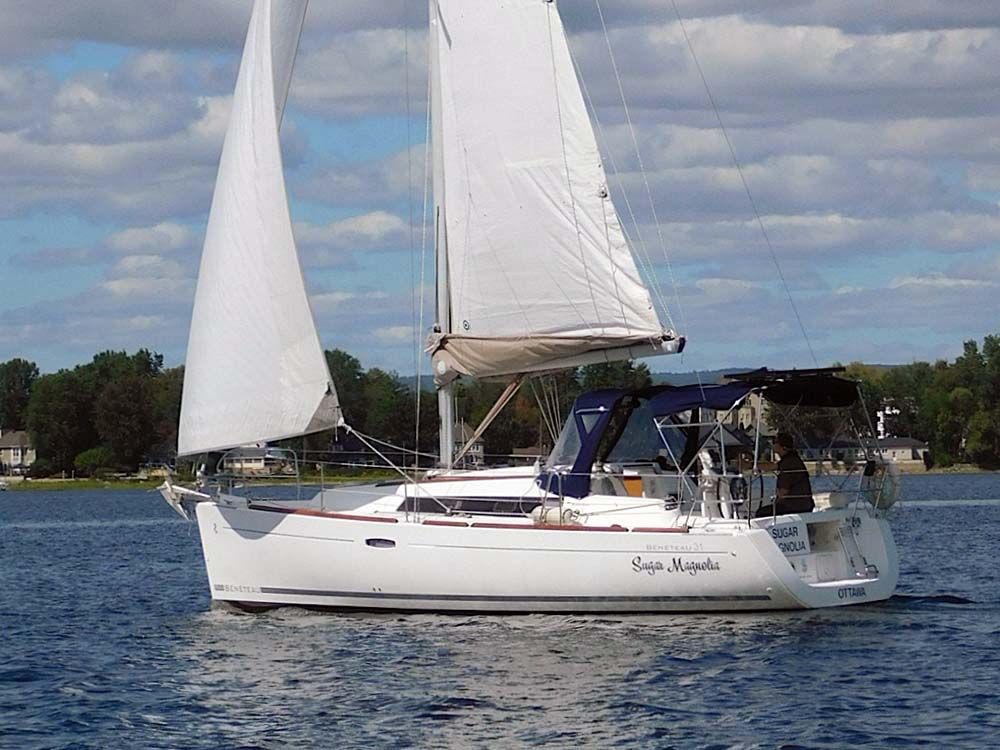
The Beneteau Oceanis 31 is a compact family cruiser from Beneteau’s mid-2000s Oceanis lineup, conceived as a small, comfortable coastal passagemaker that brings many features of larger yachts into a 31-foot package. Designed by Groupe Finot (Finot/Conq) and built as part of Beneteau’s Oceanis generation (mid-2000s era), the 31 was intended for couples and small families who wanted a manageable, easily-handled boat that still offered a generous cockpit and a civilized cabin for weekend and extended-week cruising. It has enjoyed steady popularity on the used market—particularly in Europe but also on coastal U.S. listings—because it pairs straightforward systems, respectable sailing performance for the size, and a roomy, well-finished interior that appeals to cruising buyers rather than hardcore racers.
Design and Construction
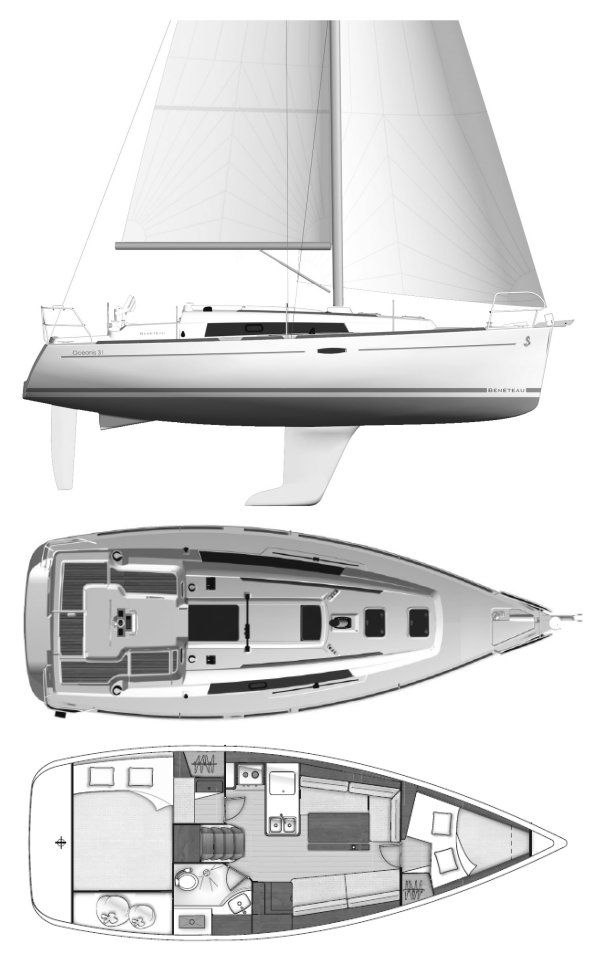
The Oceanis 31 uses a modern fin-keel hull with a relatively beamy stern, a single spade rudder and a fractional sloop rig—choices that aim to balance interior volume, forgiving motion and simple deck ergonomics. Beneteau’s production approach (hand-laid GRP hulls with cored deck, production-grade joinery) delivers a bright, practical interior while keeping repairability straightforward: gelcoat or small laminate repairs are routine for yards and competent owners, but keelbolts, through-hull fittings and rudder bearings are the structural items a purchaser should inspect closely at survey. The boat was offered with standard, shoal and lift-keel/variations in some markets, a versatility that lets buyers trade draft for pointing ability; in practice that design philosophy gives the Oceanis 31 useful shallow-water access without inventing exotic systems, but it does concentrate buyer attention on the condition of keel trunks and seals when considering long-term durability.
Performance
Under sail the Oceanis 31 is routinely described as lively and well-balanced for its class: it accelerates cleanly in light-to-moderate airs, points respectably with the standard fin/bulb keel, and gives confident helm feedback that rewards basic sail trim. Reviewers and owners note that it is not a race boat—it is tuned toward comfortable coastal passages and spirited weekend sailing—so reefing early in higher winds provides a smoother motion and preserves the boat’s pleasant handling rather than pushing for maximum heel. In short, the 31 sits in the category of compact cruisers that sail noticeably better than older, heavier production 31-footers while still prioritizing comfort and simple handling for short-handed crews.
Comfort and Accommodations
Beneteau packaged a surprisingly roomy and well-lit interior into the 31: a practical L-shaped galley, a commodious aft cabin, and a saloon with useful stowage make weekending or a short cruise genuinely comfortable for two to four people. Headroom and tankage are appropriate for coastal use—not designed to replace a larger live-aboard yacht—but Beneteau’s finishes and layout choices (bright joinery options, practical heads and generous shower space) mean the cabin often ages well cosmetically and is straightforward to personalize with modest upholstery and electronics upgrades. For buyers who plan family weekends, seasonal cruising or occasional extended hops, the Oceanis 31 usually offers the “big boat feel” in a hull that’s still simple to handle and maintain.
Safety and Practicality
Deck layout and cockpit ergonomics favor safe, short-handed cruising: clear sightlines from the helm, decent handholds, and a cockpit that drains well make daily handling easier, while the option of shallower keels or lifting arrangements expands practical mooring choices. Like many production boats, the structural items to watch are keel attachment areas, through-hull fittings and rudder bearing seals—issues that typically arise from age or neglected bedding rather than a single design defect—so a careful survey that inspects keelbolts, hull/deck joints and rudder lower bearings will materially reduce ownership risk. With those checks satisfied the Oceanis 31 is well suited to coastal cruising, occasional offshore hops in fair weather, and comfortable family passages where predictability and simple systems are priorities.
Known Issues with this sailboat
Owners and long-running forum threads identify a handful of recurring maintenance topics to check when evaluating an Oceanis 31: (1) rudder/seal concerns and lower bearing wear—European Beneteaus have had instances of leaking rudder bearings that merit inspection and, in some cases, refurbishment; (2) keelbolts and keel-to-hull joints—evidence of water ingress around the keel joint is a standard survey focus on older production boats and can indicate the need for keel-bolt pull and resealing; and (3) lift-keel/keel-trunk service (where fitted) and companionway/drainage detail—mud, corrosion or wear in lifting gear can make otherwise well-equipped boats expensive to correct. Many of these issues are repairable and frequently appear as negotiated items on sales rather than showstoppers, but they are precise points a buyer should verify (and budget for) before purchase.
Market Availability and Pricing in the U.S.
The Oceanis 31 is no longer in production and is primarily traded on the used market; supply is heavier in Europe, but North-American brokers and listings do show inventory from time to time—prices vary widely with year, equipment and region. Current listing samples across broker sites show asking prices typically clustered roughly between $60,000–$100,000 for clean, well-equipped examples (older or lightly-equipped boats appear below that band; newer or extensively refit boats can be above it). Availability in the U.S. tends to concentrate in major coastal markets (Northeast, Pacific Coast, and parts of the Southeast) where brokerage imports and private sales are more common; buyers in inland or less active regions should expect smaller selection or pay a premium to move a boat into their area. In terms of value, the Oceanis 31 usually competes well against similarly sized pocket cruisers—buyers get a modern layout, good finish and respectable sailing manners for the money—though resale and demand are strongly condition-dependent.
Below is a comparison with similar sailboats from the same era:
| Model | LOA | Years (approx) | Typical US used price | Principal differences |
|---|---|---|---|---|
| Beneteau Oceanis 31 | ~31.7 ft | 2002–2010 (mid-2000s Oceanis line) | $60,000–$100,000 | Modern Finot hull, comfortable interior for its length, good coastal performance; common in Europe with selective US availability. |
| Catalina 310 | 31.0 ft | 1999–2011 | $45,000–$75,000 | US-built cruiser with conservative ballast, broad dealer/parts support; heavier motion but simpler systems and strong US resale network. |
| Hunter 326 | 31.92 ft | 2001–2006 | $35,000–$60,000 | B&R rig, arch traveler, emphasis on cockpit ergonomics and short-handed sailing; competitive in price and easy owner servicing. |
| Beneteau 323 (Oceanis 323) | 32.8 ft | 2001–2006 | $30,000–$65,000 | Slightly larger interior for similar footprint, European build and finishes, good resale where Beneteau is popular; comparable sailing manners. |
Beneteau Oceanis 31 vs Catalina 310

The Oceanis 31 is a modern European-styled hull that prioritizes interior volume, a lively helm and a slicker deck layout, so it often feels quicker and more refined under sail than the older Catalina 310 in similar conditions. Catalina’s strength is a conservative engineering approach—simpler keel choices, broad U.S. dealer support and a reputation for straightforward resale—so buyers who value parts support and a slightly heavier, more forgiving motion in confused seas often lean toward the Catalina.
From an ownership standpoint the Oceanis rewards buyers who want modern finishes and slightly sharper sailing manners but asks them to be more attentive to keel/trunk and rudder service; the Catalina trades some sailing “edge” for potentially lower long-term inspection burden and easier access to replacement parts in North America.
► Learn more about de Catalina 310
Beneteau Oceanis 31 vs Hunter 326

Both boats target comfortable coastal cruising, but the Hunter 326 emphasizes cockpit ergonomics (arch-mounted traveler, lines led aft) and easy short-handed handling, while the Oceanis 31 leans more toward a modern hull shape and slightly higher finish below decks. The 326 will often be less expensive to buy and easier for an owner to maintain in a US-centric dealer/service environment; the Oceanis 31 tends to offer a roomier saloon layout and a European fit that some buyers prefer for longer weekend trips.
Practically, choose a Hunter 326 if you prioritize simple systems, US parts support, and very easy short-handed handling; choose the Oceanis 31 if you want a finer hull-form and an interior that feels more like a larger yacht in the same length class.
► Learn more about de Hunter 326
Beneteau Oceanis 31 vs Beneteau Oceanis 323
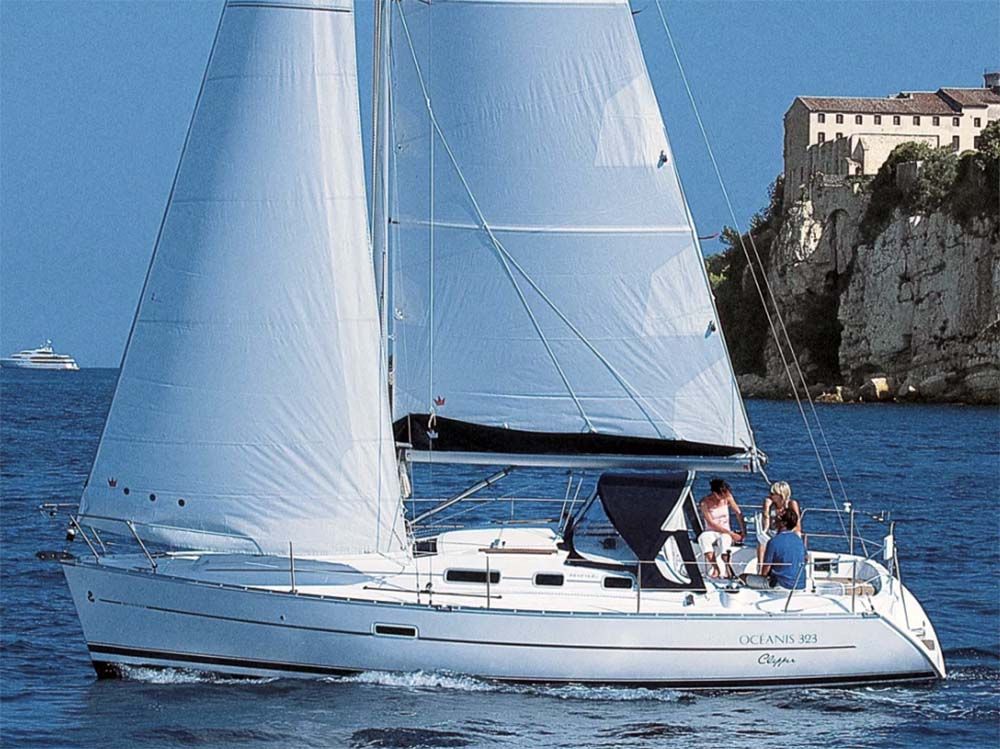
The Oceanis 323 is a close sister in Beneteau’s early-2000s portfolio and shares many production philosophies; compared head-to-head the 323 frequently trades a little cockpit compactness for a slightly larger saloon feel and tankage, while the 31 often wins on cockpit ergonomics and modern deck lines. Both boats sail well for coastal cruising, but the 323 can present a marginally stronger resale position in regions where Beneteau’s Oceanis 323 was especially popular.
For buyers comfortable with European marques, the differences are subtle: the 31 is a tidy, modern-feeling package often preferred by couples and small families who value cockpit comfort and a compact, efficient layout; the 323 can be marginally better for those who want a touch more interior volume or slightly larger tanks for longer cruising legs.
► Learn more about de Beneteau Oceanis 323
Maintenance Costs of a Beneteau Oceanis 31 in the USA
Typical annual maintenance expenses (each item bolded with an explanatory comment):
- Mooring or Slip Fees: $800–$6,000 per year — inland or trailer/storage is lower; prime coastal marinas and seasonal slips (Northeast, SF Bay, Florida) are at the high end.
- Insurance: $350–$1,200 annually — depends on declared value, cruising area and owner experience.
- Engine Servicing: $300–$1,000 per year — routine diesel service (filters, impeller, belts) for the typical 20–22 hp Yanmar; higher if injectors or transmission work is needed.
- Antifouling / Haulout & Bottom Work: $400–$2,000 per haulout cycle — yard rates and hull condition produce a wide range; trailer-stored owners will pay much less.
- Standing & Running Rigging / Inspections: $150–$800 annually for inspections, new lines and small blocks; expect a major rigging refresh every 10–15 years in the $1,200–$3,500 range.
- Sails (repairs and replacement): $150–$800 per year for small repairs and UV protection; a full mainsail and headsail replacement commonly $1,200–$4,000 depending on cloth and cut.
Significant one-time or periodic costs include rudder bearing or lower-bearing rebuilds ($800–$3,500) if seals or bearings have been neglected, keel-bolt reseating or keel–hull joint work ($1,000–$6,000) in case of detected water ingress, and electronics or refit projects ($1,500–$8,000) for modern chartplotters, AIS, and battery/inverter systems. Many routine items (filter changes, small electrical work, canvas repairs) are owner-doable and materially reduce lifetime cost; structural or keel/rudder work typically requires professional yard time and is the primary driver of high one-time expenses. Regional labor and yard rates make a big difference—owners who trailer and perform most work themselves will be at the low end; full-service marina owners will occupy the higher end.
Overall assessment: annual upkeep for a well-kept Oceanis 31 is medium for a 31-foot cruiser—many owners keep costs reasonable by doing routine maintenance themselves, but the boat’s value depends heavily on documented keel and rudder service history so condition at purchase strongly determines near-term cost exposure. Well-maintained examples that have recent keel/rudder/engine service tend to resell well within the stated price band.
Conclusion
The Beneteau Oceanis 31 is a sensible, modern pocket cruiser that gives couples and small families a comfortable coastal platform with better-than-average sailing manners for its size. Its strengths are a light, agile hull, a bright and practical interior, and a design that makes coastal exploring, weekending and occasional extended hops enjoyable and manageable; its main caveats are structural-service items typical of production boats—keel attachment, rudder bearings and any lift-keel hardware—that must be validated at survey. For buyers seeking a modern 31-foot cruiser with a “bigger boat” feel in a manageable package, the Oceanis 31 is a compelling candidate when you find an example with solid maintenance records; for buyers who need the broadest U.S. parts network or the simplest long-term service profile, a US-centric production cruiser may be more convenient, but the Oceanis 31 often delivers superior interior feel and a peppier helm for the same money.
Specifications
| Hull Type | Fin w/bulb & spade rudder |
| Rigging Type | Fractional Sloop |
| LOA | 31.69 ft / 9.66 m |
| Sail Area (reported) | 529.00 ft² / 49.15 m² |
| Beam | 11.12 ft / 3.39 m |
| Displacement | 10,692.00 lb / 4,850 kg |
| Max Draft | 5.91 ft / 1.80 m |
| Construction | FG (Fiberglass) |
| First Built | 2006 |
| Builder | Beneteau (FRA) |
| Designer | Finot / Conq Assoc. |
| Auxiliary Power (original) | Diesel |
| Fuel Capacity | 34 gals / 129 L |
| Water Capacity | 41 gals / 155 L |
| Sail Area / Displacement | 17.50 |
| Capsize Screening Formula | 2.02 |
Disclaimer
The considerations and analyses presented regarding the Beneteau Oceanis 31 sailboat are of a general nature and are based on the available information and technical data on this model, interpreted to the best of our knowledge and understanding. It is important to note that the specific characteristics of any particular sailboat may vary due to custom modifications, maintenance performed, and conditions of use over time, among other factors. Therefore, the details and performance of the boat you are considering may not exactly match the information provided here.
We strongly recommend that, before making any purchasing or usage decisions, you conduct a detailed inspection of the boat in question, consult with nautical professionals and other sailors, and consider your personal needs, expectations, and capabilities. Each sailboat may have unique particularities that affect its performance and suitability for different types of sailing and sailors.
The information contained in this analysis should be used as a general guide and not as a definitive reference. Professional evaluation and personal inspection are essential to ensure that the boat meets your specific requirements and expectations.