


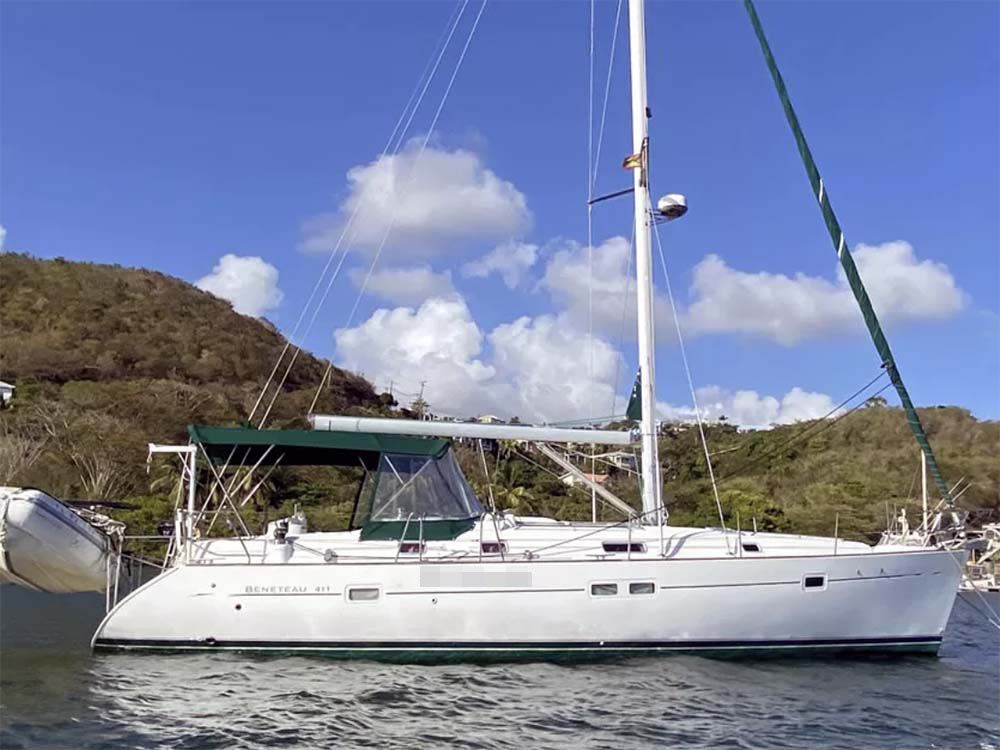
The Beneteau Oceanis 411 is a 40-foot-class cruising sailboat introduced in the late 1990s by the French boatbuilding giant Beneteau, designed by Groupe Finot. Built primarily between 1997 and 2004, it was conceived as a comfortable bluewater cruiser with the simplicity and manageability needed for owner-operators, families, and charter fleets alike. Positioned firmly in the “performance cruiser” segment, the Oceanis 411 emphasized ease of handling, livability, and a reasonable turn of speed for long-distance passages or coastal cruising. Over time, it has gained substantial traction in the second-hand market, especially in North America and the Mediterranean, where its reputation for solid construction and spaciousness makes it a perennial favorite among private cruisers, sailing schools, and charter companies. Demand remains healthy, especially among budget-conscious cruisers seeking a ready-to-sail platform with good pedigree and space for life aboard.
Design and Construction
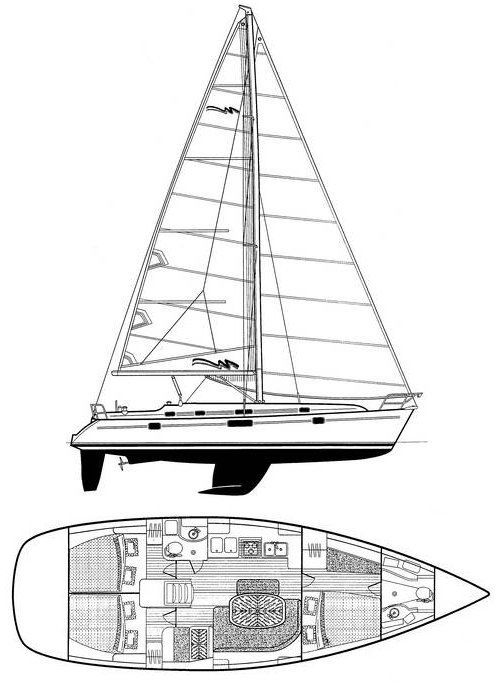
The Oceanis 411 features a moderate-displacement monohull with a fine entry and a relatively broad stern, maximizing interior volume while maintaining balance under sail. Two keel versions were offered: a standard deep fin keel and a shoal-draft bulb keel, making it versatile for different cruising grounds. The rudder is a spade-type, semi-balanced design, which offers responsive helm feel but may be more vulnerable in grounding situations than skeg-mounted alternatives.
Built using hand-laid fiberglass with balsa-core above the waterline, the hull offers a good compromise between strength, weight, and insulation. The deck is injection-molded fiberglass with an inner liner, simplifying production and improving consistency, though it can make access to some systems more challenging. The rig is a straightforward masthead sloop with in-mast or traditional mainsail options and a furling genoa—easy to handle short-handed and ideal for cruising. The cockpit layout and deck hardware reflect Beneteau’s ergonomic focus at the time, with all lines led aft, allowing for relatively easy solo or couple sailing.
From a naval architecture standpoint, the design favors simplicity and volume over cutting-edge hydrodynamics. The result is a boat that is durable, fairly easy to repair, and holds reasonable resale value, though it may not compete in performance with lighter or more modern hull forms.
Performance
In real-world conditions, the Oceanis 411 performs predictably and reliably. Under sail, she’s happiest in 10–20 knots of breeze, where she’ll cruise comfortably at 6–7 knots on a beam or broad reach. Her upwind performance is competent but not stellar, with a typical tacking angle of 90–100 degrees, which is acceptable for a cruising platform. The deep keel version improves pointing ability and tracking in swell.
With moderate displacement and generous beam, stability is good, though not as stiff as heavier bluewater boats. In rougher seas, she tends to ride over waves rather than slice through them, and the long waterline helps maintain decent speed in choppy conditions. The wide transom and spade rudder give her good maneuverability under both sail and engine, making docking relatively stress-free.
Compared to similar cruisers from Hunter or Catalina, the Oceanis 411 is often seen as offering a slightly more refined sailing experience—less tender and more predictable, with a subtle French touch in motion and balance that seasoned cruisers often appreciate.
Comfort and Accommodations
One of the standout features of the Oceanis 411 is its interior layout. Available in two- and three-cabin versions, plus a four-cabin charter configuration, the design accommodates a wide range of needs. The saloon is open and well-lit, with ample seating around a central dining table and a generous galley to port. Ventilation is excellent thanks to numerous opening ports and hatches, and storage is abundant throughout.
The owner’s stateroom forward is surprisingly spacious for a 41-foot boat, with good headroom and a private head with shower. Aft cabins are similarly roomy, especially in the three-cabin layout. The L-shaped galley is secure at sea and well-equipped, with refrigeration, double sinks, and plenty of counter space.
The interior has held up well over time, though the original wood veneer can show wear if not maintained. Many second-hand examples feature upgraded upholstery, new LED lighting, or modified layouts to suit long-term cruising. For weekenders, the space is luxurious; for full-time cruisers, it offers a viable liveaboard environment, especially for couples or small families.
Safety and Practicality
The wide decks, molded nonskid, and robust stainless-steel handrails make the Oceanis 411 safe and easy to move around on in most conditions. The transom includes a swim platform with a telescoping ladder and outdoor shower, which also serves as a recovery point in emergencies.
The helm is well-positioned with clear visibility, and the boat handles well with a small crew, especially with a furling main. Line management is centralized, and winch placement supports short-handed operation. Access to systems (engine, plumbing, electrical) is generally reasonable, though some owners note that deep locker spaces require dexterity to service hidden components.
With minor upgrades—such as additional handholds below deck or upgraded autopilots—the Oceanis 411 can confidently handle offshore passages. Many owners have undertaken Atlantic crossings or Pacific passages with minimal structural modifications.
Known Issues with the Beneteau Oceanis 411
As with many aging fiberglass cruisers, there are a few common concerns with the Oceanis 411:
- Osmosis: Early models may show signs of blistering in warm-water regions, especially if they were in charter service. Proper barrier coats mitigate future issues.
- Leaky portlights and hatches: Seals can degrade over time, especially the Lewmar hatches common to this model. Re-bedding is a standard fix.
- Electrical systems: Older wiring and breaker panels may require upgrading, particularly if retrofitting solar or lithium battery banks.
- Rudder bearings: Some owners report wear or play in the rudder stock over time.
- In-mast furling main: While convenient, it can jam if not maintained or if the sail is worn or improperly furled.
Popular upgrades include folding props for better motoring performance, improved electronics (original Raymarine systems are dated), and solar arrays for extended cruising autonomys.
Market Availability and Pricing in the U.S.
The Oceanis 411 is no longer in production, but is widely available on the used market. In the U.S., listings are most common in Florida, the Chesapeake, and the West Coast. Many boats originate from ex-charter fleets, particularly in the Caribbean, and have been imported or relocated northward. Condition varies: some are turnkey cruisers with new gear, while others need refit work.
Prices typically range from $80,000 to $120,000, depending on condition, equipment, and whether they’ve been refitted. Compared to Catalina 42s or Jeanneau Sun Odyssey 40s of the same era, the Oceanis 411 represents strong value, particularly for its interior volume and sailing characteristics.
Here’s how it compares to similar models:
| Model | LOA | Year Range | Typical Price (USD) | Key Differences |
|---|---|---|---|---|
| Beneteau Oceanis 411 | 41’8″ | 1997–2004 | $80,000–$120,000 | Spacious, balanced, strong used market |
| Catalina 42 MkII | 42’0″ | 1995–2008 | $90,000–$130,000 | Sturdier build, U.S.-centric systems, slightly less stylish |
| Hunter 410 | 41’0″ | 1998–2005 | $75,000–$110,000 | More modern interior, B&R rig, polarizing design |
| Jeanneau Sun Odyssey 40 | 40’0″ | 1999–2004 | $70,000–$100,000 | Sleeker look, slightly less interior space |
Beneteau Oceanis 411 vs Catalina 42 MkII

The Beneteau Oceanis 411 tends to have a slightly more modern hull shape with a finer entry and moderate beam aft, which enhances light-wind performance and reduces hobby-horsing in choppy seas. In contrast, the Catalina 42 MkII emphasizes interior volume and stability, making it a strong choice for family cruising but slightly less responsive under sail. The Oceanis 411’s fractional sloop rig offers easier sail handling and better upwind performance, while the Catalina’s masthead rig may require more effort for reefing and trimming in heavy air. Internally, the Catalina provides slightly more traditional layouts with larger storage spaces, whereas the Oceanis 411 maximizes natural light and open feel, appealing to those prioritizing comfort for extended coastal or offshore cruising. Overall, the Oceanis 411 is better suited for sailors seeking a balance of performance and comfort, while the Catalina leans toward spacious liveaboard usability.
► Learn more about de Catalina 42 MkII
Beneteau Oceanis 411 vs Hunter 410
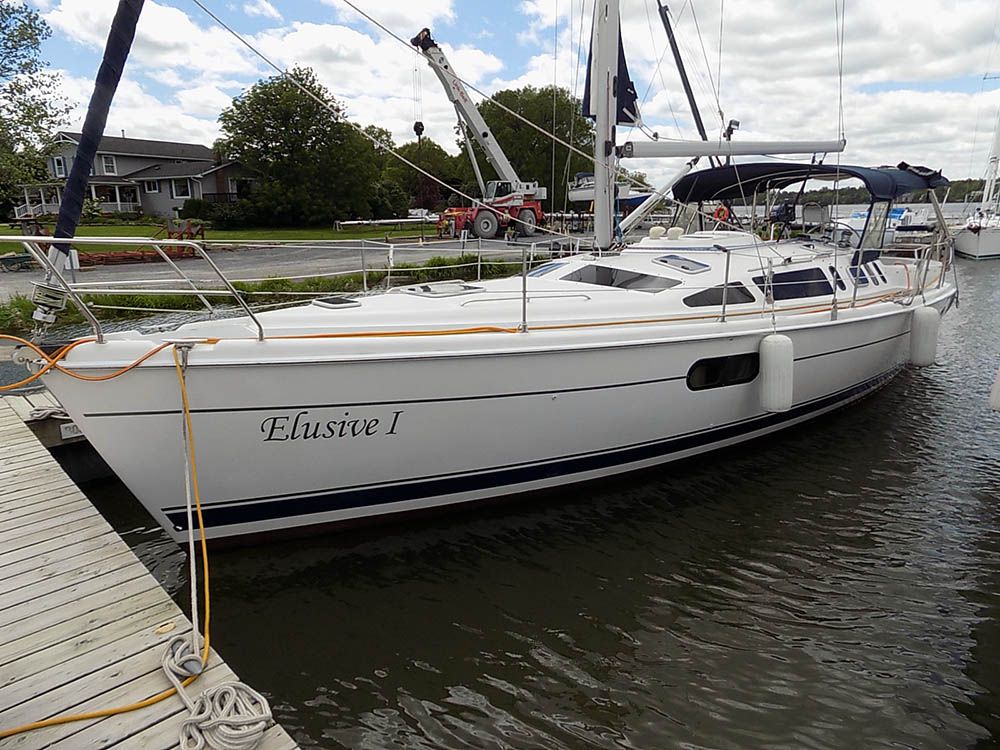
Compared with the Hunter 410, the Oceanis 411 displays a more performance-oriented hull and fractional rig, which translates to better pointing ability and responsiveness in moderate conditions. The Hunter emphasizes simplicity and deck ergonomics, making short-handed sailing easier, but it can feel less nimble in light air or when tacking upwind. Interior layouts differ as well: the Oceanis provides a brighter, more open plan with more attention to contemporary aesthetics, whereas the Hunter focuses on practicality and solid storage for family cruising. Maintenance considerations also diverge slightly; the Oceanis may demand more attentive upkeep of deck hardware and rigging, while the Hunter’s systems are often simpler and easier for an owner to maintain. For weekend or coastal cruising, both are comfortable, but the Oceanis offers a more dynamic sailing experience for those who occasionally venture offshore.
► Learn more about de Hunter 410
Beneteau Oceanis 411 vs Jeanneau Sun Odyssey 40
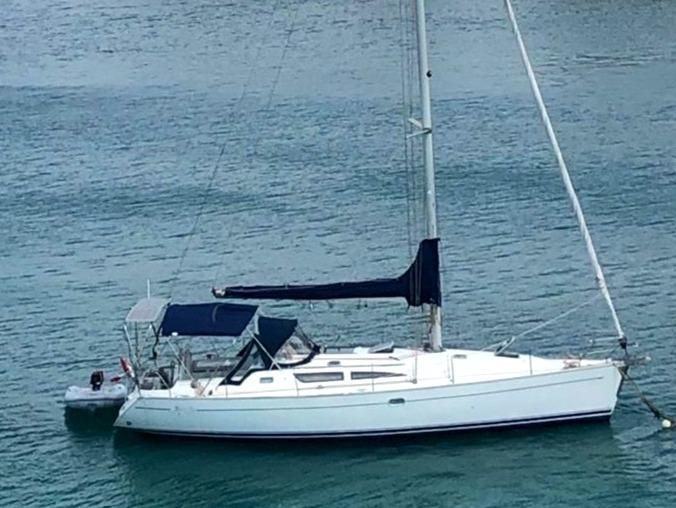
The Oceanis 411 and Sun Odyssey 40 share similar French design philosophies, but the Oceanis generally exhibits a slightly higher sail area-to-displacement ratio, giving it livelier performance, particularly in light winds. Both feature fractional rigs with easy handling options, though the Oceanis’ deck layout allows for more intuitive control of sheets and halyards for a small crew. Below deck, the Oceanis emphasizes open, airy interiors with modern finishes, while the Sun Odyssey 40 favors a cozier, more traditional feel with efficient use of space for families or charter use. Stability and offshore capability are comparable, but the Oceanis can feel more responsive under sail, which may appeal to buyers seeking a blend of comfort and spirited cruising. Maintenance requirements are moderate for both, though access to systems in the Oceanis can be slightly easier, reducing labor costs over time.
► Learn more about de Jeanneau Sun Odyssey 40
Maintenance Costs of a Beneteau Oceanis 411 in the USA
- Mooring/Slip Fees: Costs vary by region; in Florida or California, expect $3,000–$6,000 per year.
- Insurance: Approximately $700–$1,500 per year depending on coverage and sailing area.
- Engine Servicing: Routine service for Yanmar 40–50 HP diesel, $400–$600 per year.
- Antifouling Paint: Every 1–2 years; $1,000–$2,000 depending on haul-out fees and paint choice.
- Standing and Running Rigging: Inspections and minor replacements, $300–$800 per year.
- Sails: Replacement every 8–12 years or partial repairs as needed, $3,000–$6,000 for main and genoa.
One-time costs can include major refits, electronics upgrades, or sail replacement. The boat can be partially owner-maintained, especially with basic mechanical skills, but professional services are recommended for rigging, sails, and haul-outs. Overall, maintenance costs are moderate for a 41-foot cruiser and align with similar vessels in its class. Given the Oceanis 411’s solid construction, stable resale value, and strong demand in the U.S. coastal cruising market, the investment is generally well justified for buyers prioritizing a balance of comfort, performance, and manageable ownership costs.
Conclusion
The Beneteau Oceanis 411 remains one of the most versatile and appealing mid-size cruising sailboats on the second-hand market. Its strengths—livability, ease of handling, proven construction, and strong support from aftermarket suppliers—make it a great candidate for coastal cruising, light offshore passages, and even liveaboard life.
While buyers should be diligent in evaluating individual boat condition (especially former charter units), the Oceanis 411 offers excellent value for money and holds resale value well thanks to its popularity. For sailors seeking a comfortable, well-rounded cruiser with a proven track record and wide availability of parts and knowledge, the Oceanis 411 is not only worth considering—it may well be one of the smartest buys in its class.
Specifications
| Hull Type | Fin w/ bulb & spade rudder |
| Rigging Type | Masthead Sloop |
| LOA | 41.00 ft / 12.50 m |
| LWL | 36.92 ft / 11.25 m |
| Beam | 13.00 ft / 3.96 m |
| Draft (Max) | 4.75 ft / 1.45 m |
| Displacement | 17,196 lb / 7,800 kg |
| Ballast | 5,500 lb / 2,495 kg |
| Construction | Fiberglass (FG) |
| First Built | 1997 |
| Last Built | 2005 |
| Builder | Beneteau |
| Designer | Group Finot |
| Auxiliary Power | Yanmar Diesel |
| Fuel Capacity | 40 gal / 151 L |
| Water Capacity | 151 gal / 572 L |
| Sail Area (reported) | 697.00 ft² / 64.75 m² |
| S.A./Displ. Ratio | 16.80 |
| Bal./Displ. Ratio | 31.98 |
| Disp./Length Ratio | 152.54 |
| Comfort Ratio | 22.88 |
| Capsize Screening Formula | 2.02 |
| Stability Number (S#) | 3.30 |
| Hull Speed | 8.14 kn |
| Pounds/Inch Immersion | 1,714.95 lb/in |
Rig and Sail Dimensions | |
| I | 47.74 ft / 14.55 m |
| J | 16.31 ft / 4.97 m |
| P | 41.54 ft / 12.66 m |
| E | 14.83 ft / 4.52 m |
| S.A. Foretriangle | 389.32 ft² / 36.17 m² |
| S.A. Mainsail | 308.02 ft² / 28.62 m² |
| Total Sail Area (100%) | 697.34 ft² / 64.79 m² |
| S.A./Displ. (calculated) | 16.81 |
| Estimated Forestay Length | 50.45 ft / 15.38 m |
| Mast Height from DWL | 58.50 ft / 17.83 m |
Disclaimer
The considerations and analyses presented regarding the Beneteau Oceanis 411 sailboat are of a general nature and are based on the available information and technical data on this model, interpreted to the best of our knowledge and understanding. It is important to note that the specific characteristics of any particular sailboat may vary due to custom modifications, maintenance performed, and conditions of use over time, among other factors. Therefore, the details and performance of the boat you are considering may not exactly match the information provided here.
We strongly recommend that, before making any purchasing or usage decisions, you conduct a detailed inspection of the boat in question, consult with nautical professionals and other sailors, and consider your personal needs, expectations, and capabilities. Each sailboat may have unique particularities that affect its performance and suitability for different types of sailing and sailors.
The information contained in this analysis should be used as a general guide and not as a definitive reference. Professional evaluation and personal inspection are essential to ensure that the boat meets your specific requirements and expectations.