


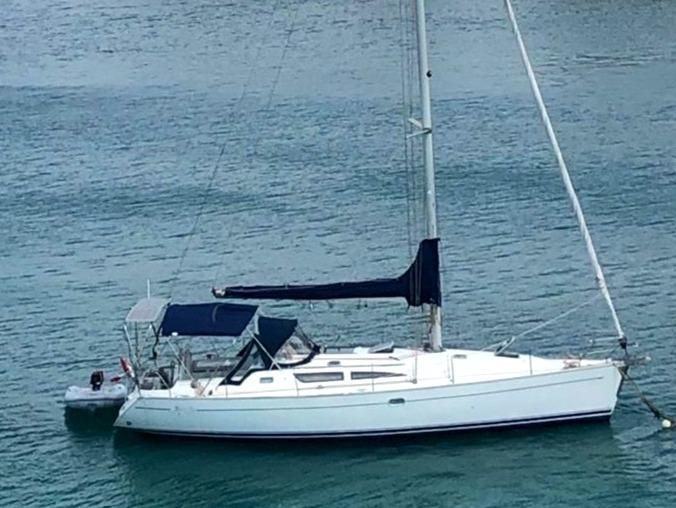
The Jeanneau Sun Odyssey 40 arrives in the market as a purpose-built cruising yacht that balances comfort and sensible sailing performance. Launched in the early 2000s by Jeanneau and penned by a design office that blended Michel Design and Jeanneau in-house thinking, the Sun Odyssey 40 was conceived for owner-cruisers who wanted a boat that could handle weekend passages, family cruising and the occasional coastal passagemaking without the complexity of a race-oriented platform. Its intent was clear: provide a roomy, well-ventilated interior and an easy-to-sail deck layout with respectable upwind ability for a moderately light-displacement hull. On the used market the model has gained steady popularity with private owners and couples looking for a manageable 40-foot platform; it also appears with some frequency among charter operators and resale brokers, meaning there is active demand from cruisers and those seeking turnkey coastal boats.
Design and Construction
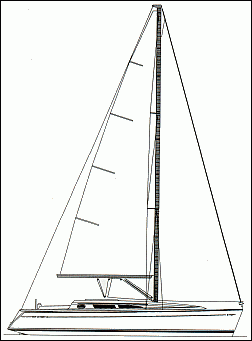
The Sun Odyssey 40 reflects late-1990s–early-2000s European production thinking: a moderate-to-light displacement hull with relatively beamy sections aft to maximize interior volume and form stability. Hull lines tend to favor a long waterline with a modestly plumb bow and a beam carried aft, while keel options typically include a deep fin and a shoal/wing variant—choices that let buyers trade draft for pointing performance. The rudder is a spade type, giving direct helm feedback and good maneuverability; the sailplan is a conventional sloop, often with a deck-stepped mast and roller-furling headsail for easy handling. Construction is fiberglass (hand-laminated or closed-mold depending on year and yard batch) with engineered stringers and a structural grid bonded to the hull, an approach that balances weight, stiffness and cost.
From an architectural standpoint the Sun Odyssey 40 applies contemporary principles: wider aft sections give initial form stability and interior volume, while a relatively generous ballast ratio and moderate keel depth maintain reserve stability for cruising comfort. These design choices make the boat forgiving and comfortable under sail while keeping repair and survey work straightforward—fiberglass hulls are familiar territory for yards, and the structural grid layout simplifies locating and repairing water intrusion or point loads. Owners should be aware that large windows and deck fittings increase the number of sealant interfaces requiring inspection, and the lighter, performance-leaning layups mean that impact damage or neglected deck-to-hull joints are the primary maintenance concerns that affect long-term value.
Performance
On the water the Sun Odyssey 40 is best described as a cruising yacht with sprightly manners when well-trimmed. In light airs the hull and tallish rig accelerate well, and the boat will maintain reasonable speed thanks to a favorable sail-area-to-displacement balance; in moderate breeze it shows a comfortable, stable heel and predictable helm. Pointing is good for a cruising design of its class—deeper keel versions will outpoint shoal-draft neighbors—while the flatter aft sections help the boat surf and maintain momentum off the wind. The spade rudder delivers crisp steering, which benefits maneuvering in tight marinas or during short tacks inshore.
Compared to contemporaries, the Sun Odyssey 40 sits between conservative American cruisers and sportier European designs: it is generally livelier than older heavy cruisers yet not as demanding or race-tuned as high-performance cruisers. Reputation among owners emphasizes a pleasant compromise—enough performance to make passages enjoyable and efficient, but not so much refinement that systems or tuning become finicky for the weekend sailor.
Comfort and Accommodations
Jeanneau prioritized liveability in the layout: the interior typically offers a well-proportioned forward owner cabin, a comfortable saloon with a functional galley, and aft cabins that make the boat practical for families or guests. Storage is thoughtfully distributed—lockers, under-berth spaces and dedicated sail lockers—so cruising gear can be stowed without crowding the living areas. Ventilation and daylight are strengths thanks to multiple opening ports and large deck hatches, and ergonomics below are tuned to real cruising: a stable chart table, accessible galley with good work surfaces, and seating arranged for face-to-face meals and socializing underway.
For extended liveaboard use some owners upgrade systems—insulation, refrigeration, heating and water-making capacities—but the base layout is certainly capable of sustained coastal cruising and comfortable weekend trips. The interior often ages well when cabinetry and joinery are maintained; cosmetic refits are common and relatively inexpensive compared with structural work, which tends to be minimal if the boat has been kept dry and surveyed regularly.
Safety and Practicality
Deck ergonomics on the Sun Odyssey 40 are designed for single- or short-handed sailing: broad, non-skid sidedecks, reasonable handholds, a cockpit with good coaming height and an organized sail control layout routed to the cockpit are all features that increase safety in a seaway. Roller furling, optional in-mast or slab reefing systems, and accessible winches allow quick depowering when weather comes up. Getting in and out of the water is straightforward with bathing platforms or ladders on many variants; boarding from a dinghy is practicable but benefits from attention to transom fittings and step strength.
Regarding bluewater readiness, many examples have crossed offshore routes with modest upgrades—strong jacklines, modern life-saving gear and a thorough survey-driven refit of standing rigging and seacocks. Systems are generally accessible for routine service—engine spaces are reachable and the structural grid supports easy replacement of through-hulls—so upkeep tends to be manageable for owners who prefer a mix of DIY and professional work. For typical coastal and limited offshore cruising the boat is practical and safe when maintained and modestly upgraded.
Known Issues with the Jeanneau Sun Odyssey 40
Owners and professional surveys tend to flag recurring, addressable items rather than fatal design flaws. The most frequently noted issues are sealant degradation around windows and hatches leading to water ingress if neglected, and the usual wear on standing rigging and furling systems on older boats. Some boats show localized deck compression or leaks around block bases when hardware is not backed up properly; addressing this early during survey and resealing or reinforcing bedding is common practice. Electronics and plumbing are often owner-modified over the years, producing heterogeneous installations—buyers should expect to modernize chartplotters or replace older refrigeration compressors.
Practical upgrades commonly recommended include replacing standing rigging after roughly a decade or when age/inspection dictates, updating navigation electronics for reliability, fitting a modern propeller or shaft service if vibration or poor motoring efficiency is noted, and resealing or reinforcing deck hardware to prevent leaks. These interventions are typical for a boat of this age and are straightforward for yards to perform.
Market Availability and Pricing in the U.S.
The Sun Odyssey 40 is no longer in current production and is available on the used market. U.S. inventory tends to cluster in cruising hubs—Florida, the Chesapeake/New England corridor and California—with many boats offered by private sellers and brokers. Examples range from well-cared-for owner boats to ex-charter or lightly neglected vessels; condition and documented maintenance histories are the major price differentiators.
Typical asking prices for good-condition Sun Odyssey 40s generally fall in the range $70,000–$130,000, depending on year, equipment and refit history. Compared with similar models, the Sun Odyssey 40 often delivers good value: it competes favorably on interior volume and finishing quality with boats of the same era and length, while offering a European feel and desirable sailing balance. Resale tends to be reasonable for maintained examples because Jeanneau has broad brand recognition and a steady market of coastal cruisers seeking 40-foot platforms.
Here’s how it compares to similar models:
| Model | LOA (approx) | Typical Years | Typical used price (US) | Main differences |
|---|---|---|---|---|
| Jeanneau Sun Odyssey 40 | ~40 ft | 2000–2007 | **$70,000–$130,000** | European build, balanced sailing, roomy interior for family cruising. |
| Beneteau Oceanis 393 / 40 | ~39–40 ft | 1999–2008 | $75,000–$140,000 | Often slightly sportier handling, strong charter pedigree, varied interior options. |
| Catalina 400 / 400 MkII | ~40–41 ft | 1996–2008 | $60,000–$120,000 | American-style layout, robust market support, typically more conservative sailplan. |
| Dufour 40 / Dufour 385 (comparable) | ~38–40 ft | 2000–2010 | $70,000–$140,000 | European emphasis on performance and refined finish; often lighter displacement. |
Jeanneau Sun Odyssey 40 vs Beneteau Oceanis 393 / 40
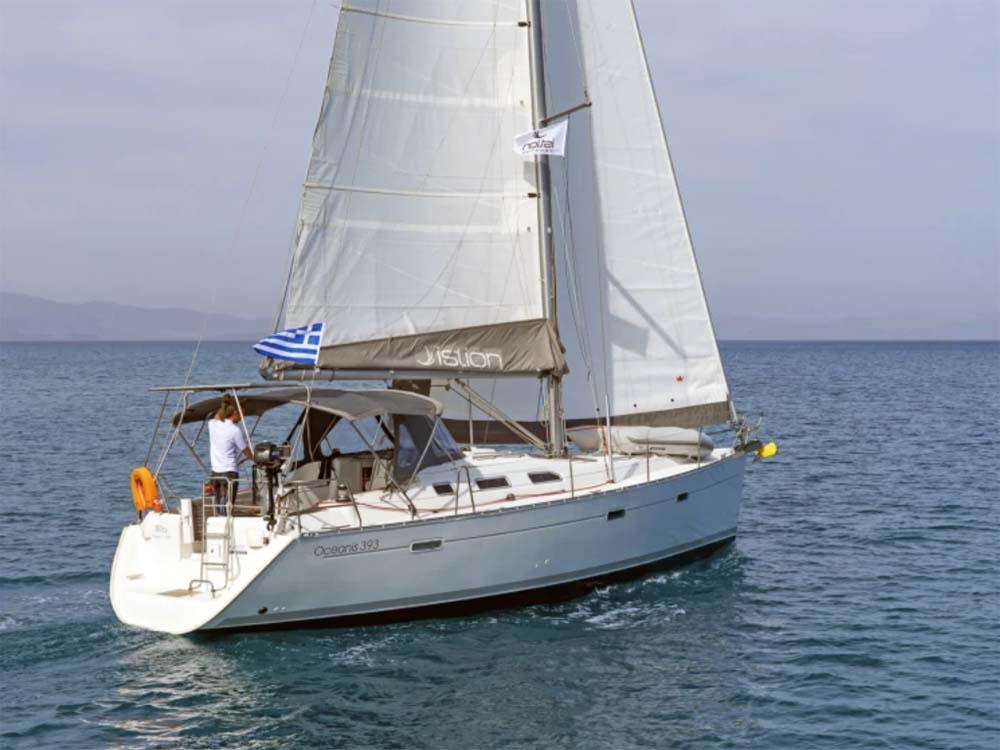
The Jeanneau leans toward a balanced cruiser with a comfortable motion and an interior focused on livability, while the Beneteau variant of similar size tends to emphasize slightly crisper sailing manners and a layout tailored to charter versatility. In practice, a buyer who values a relaxed, family-oriented onboard experience will find the Jeanneau’s ergonomics and finishing appealing; a buyer needing a boat that can perform a bit more aggressively or fit into charter-style rotations may prefer the Beneteau.
Maintenance expectations differ in nuance: Beneteaus often carry the variability of charter refits (which can mean more mechanical churn or well-documented upgrades), while Jeanneaus typically show owner-driven upgrades and a more homogeneous service history—both require the usual attention to rigging and seacocks, but Jeanneau’s layout often makes routine access simpler for owner-maintenance.
► Learn more about de Beneteau Oceanis 393
► Learn more about de Beneteau Oceanis 40
Jeanneau Sun Odyssey 40 vs Catalina 400 / 400 MkII
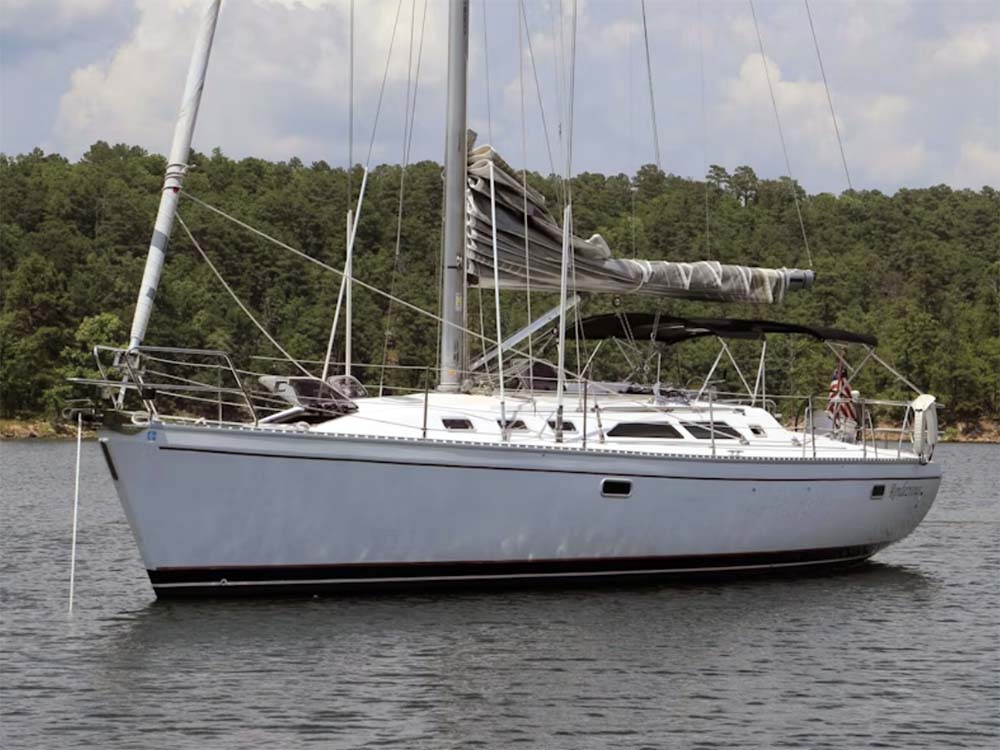
The Jeanneau’s hull form and rigging give it a European sailing character that balances performance and comfort; the Catalina takes a more conservative American approach that emphasizes simplicity and robustness. For a buyer who plans frequent coastal cruising and desires lighter, more responsive handling, the Jeanneau has the edge; for someone prioritizing an extensive U.S. dealer/owner support network and a familiar, forgiving cockpit and systems layout, the Catalina represents a lower-stress ownership path.
Both boats require similar levels of routine maintenance, but parts availability and community knowledge may make some repairs easier for Catalina owners in certain U.S. regions—whereas Jeanneau owners often benefit from a slightly more modern deck layout and finishes that appeal to those who value interior style alongside sailing ability.
► Learn more about de Catalina 400
► Learn more about de Catalina 400 MkII
Jeanneau Sun Odyssey 40 vs Dufour 40 / Dufour 385
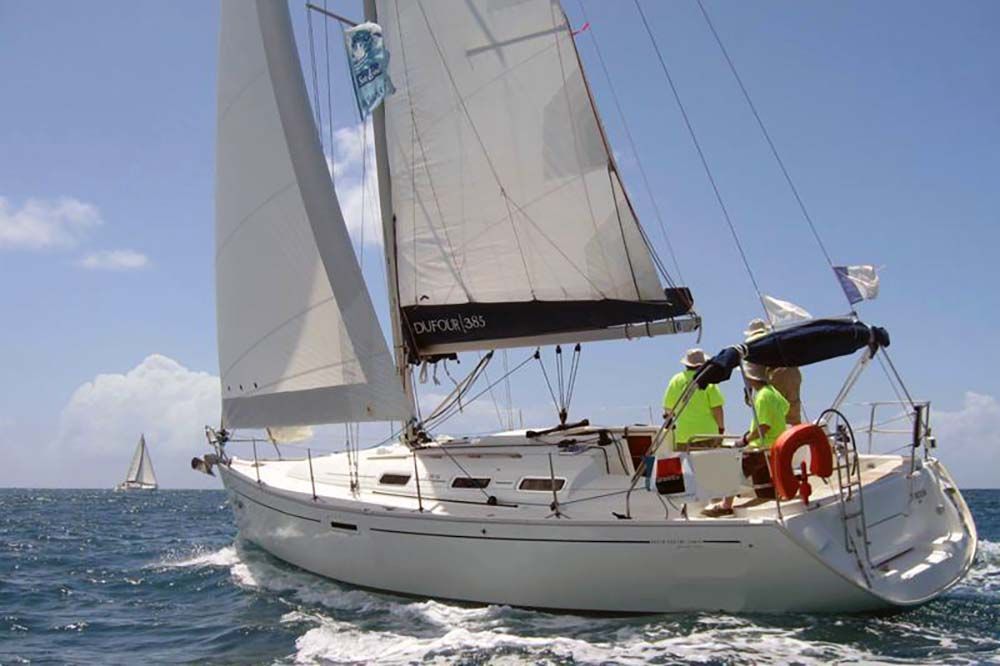
Compared with Dufour cousins, the Jeanneau favors a moderate balance between comfort and ease of handling, while Dufour designs commonly push a bit harder toward performance and lighter displacement for sailors who prioritize speed and responsiveness. Practical ownership considerations mean that the Jeanneau often presents fewer demands for performance tuning, making it a better fit for cruising couples wanting reliable behavior without frequent sail/rig adjustments.
If a prospective buyer aims to extract higher average speeds or race occasionally while retaining comfortable accommodations, the Dufour may be more rewarding; if the priority is straightforward, comfortable cruising with simple, accessible systems and a hospitable interior, the Jeanneau will generally be the lower-friction option.
► Learn more about de Dufour 40
► Learn more about de Dufour 385
Maintenance Costs of a Jeanneau Sun Odyssey 40 in the USA
- Mooring/Slip/Storage — $2,000–$12,000 per year depending on region (higher in popular marinas in Florida, California, and the Northeast).
- Insurance — $900–$3,500 per year (factors: cruising area, deductible, owner experience).
- Engine servicing (annual) — $400–$1,500 (basic tune, filters, belts; more if major service required).
- Bottom paint/antifouling (biennial typical) — $800–$3,000 (haulout and paint vary widely by yard).
- Standing rigging inspection/replacement — inspection $200–$600; replacement $3,000–$7,000 depending on spars/complexity.
- Running rigging and sail maintenance — $200–$3,000 annually; full sail replacement $4,000–$12,000+.
- Electronics/navigation upgrades — $500–$7,000 for modest to comprehensive modernizations.
- General maintenance and spares — $1,000–$5,000 (pumps, seacocks, plumbing, electrical repairs).
- Survey/periodic haulouts — survey $500–$1,500; haulout/pressure wash/yard fees vary $300–$2,000.
Significant one-time costs likely include standing rigging replacement, full sail inventories, and comprehensive electronics refits. The Jeaneau 40 can be owner-maintained for routine mechanical and cosmetic work, but structural, rigging, and major engine or composite repairs generally require professional yards. Overall cost of ownership for a 40-foot cruiser of this era is medium: neither the cheapest nor the most expensive class to run, and a well-maintained Sun Odyssey 40 typically commands resale value that reasonably offsets upkeep for owner-cruisers who keep up with preventive maintenance.
Conclusion
The Sun Odyssey 40 combines a pleasant sailing temperament with an interior and deck layout that put cruising comfort first. Strengths include a roomy, well-lit interior; balanced, manageable sailing characteristics; and a design that suits couples and small families who plan coastal cruising and occasional offshore passages. Weaknesses are those common to many production cruisers of its vintage—sealant maintenance around windows and deck fittings, periodic rigging renewal, and piecemeal electronics upgrades—but these are manageable and predictable costs.
For a buyer seeking a 40-foot platform that is comfortable, reasonably quick for its class, and relatively straightforward to maintain, the Sun Odyssey 40 is a compelling option and often represents good value in the used market. It performs well as a coastal cruiser and, with sensible survey-led upgrades, is capable of longer passages; resale tends to be fair for well-documented boats, making it worth seeking out when matched to a realistic refit budget and a clear plan for intended use.
Specifications
| Hull Type | Fin w/ spade rudder |
| Rigging Type | Masthead Sloop |
| LOA | 40.03 ft / 12.20 m |
| LWL | 33.37 ft / 10.17 m |
| Sail Area (reported) | 894.48 ft² / 83.10 m² |
| Beam | 12.96 ft / 3.95 m |
| Displacement | 15,807 lb / 7,170 kg |
| Ballast | 5,291 lb / 2,400 kg |
| Max Draft | 6.40 ft / 1.95 m |
| Construction | Fiberglass (FG) |
| Ballast Type | Cast Iron |
| First Built | 1998 |
| Last Built | 2004 |
| Builder | Jeanneau (France) |
| Designer | Daniel Andrieu |
| Engine Type | Diesel |
| Horsepower | 60 HP |
| Fuel Capacity | 36 gal / 136 L |
| Fresh Water Capacity | 85 gal / 320 L |
| S.A. / Displ. | 22.81 |
| Bal. / Displ. | 33.47 |
| Disp. / Len. | 189.90 |
| Comfort Ratio | 22.78 |
| Capsize Screening Formula | 2.07 |
| Hull Speed | 7.74 knots |
| Pounds/Inch Immersion | 1,545.28 lb/in |
Disclaimer
The considerations and analyses presented regarding the Jeanneau Sun Odyssey 40 sailboat are of a general nature and are based on the available information and technical data on this model, interpreted to the best of our knowledge and understanding. It is important to note that the specific characteristics of any particular sailboat may vary due to custom modifications, maintenance performed, and conditions of use over time, among other factors. Therefore, the details and performance of the boat you are considering may not exactly match the information provided here.
We strongly recommend that, before making any purchasing or usage decisions, you conduct a detailed inspection of the boat in question, consult with nautical professionals and other sailors, and consider your personal needs, expectations, and capabilities. Each sailboat may have unique particularities that affect its performance and suitability for different types of sailing and sailors.
The information contained in this analysis should be used as a general guide and not as a definitive reference. Professional evaluation and personal inspection are essential to ensure that the boat meets your specific requirements and expectations.