



The Catalina 36 MkII is a purposeful, middle-weight cruiser introduced by Catalina Yachts in the mid-1990s as a refined evolution of the long-running Catalina 36 line. Designed by Frank Butler with Gerry Douglas contributing to the Mark II update, the boat was aimed squarely at coastal and club cruisers who wanted a comfortable family boat with straightforward systems and forgiving handling rather than a race-tuned hull. The Mark II kept the model’s reputation for roomy accommodations and simple systems while tightening up the deck layout and interior ergonomics to match buyer expectations of the 1990s–2000s production era. As a result it has become one of the most common and recognizable used-boat options in the U.S. — sought after by families, weekenders, and owner-operators, and frequently traded in broker markets for coastal cruising and liveaboard use.
Design and Construction
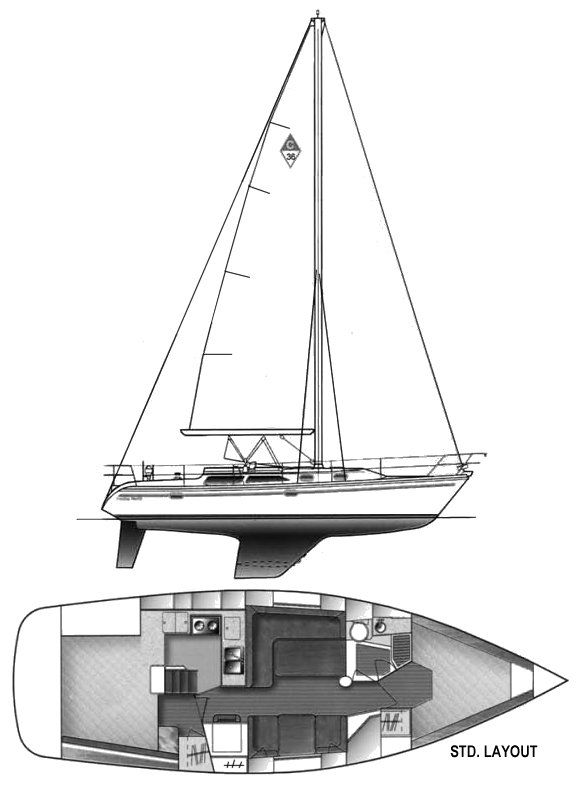
The Catalina 36 MkII is a conventional single-keel monohull with a fin keel and an internally mounted spade rudder; the hull is solid fiberglass laminate with robust structural framing intended for durability and straightforward repairs. Beam is near 12 feet and the waterline length supports a comfortable motion in a seaway without resorting to extreme beam-to-length ratios. Rigging is a masthead sloop — a conservative, easy-to-manage choice that keeps sail inventory simple and maintenance predictable. Construction techniques are typical of high-volume U.S. production in that era: hand-laid or chopper-gun fiberglass laminates, solid hull under the waterline, and cored decks in some examples, with chainplates, backing plates and structural gridwork engineered to distribute rig loads.
Those choices translate directly into ownership trade-offs. The solid hull construction is forgiving and straightforward to repair after groundings or impact, which preserves value for cruisers and is attractive to owners who plan DIY repairs. Cored decks (where fitted) and the bedding methods used in production models mean careful inspection and preventive maintenance are required to avoid water ingress and subsequent core degradation — a common long-term cost driver on older production boats. The masthead sloop rig makes for easy headsail changes and robust running rigging, but it can demand larger headsails for power in light air compared with modern fractional rigs; owners who want lighter-air performance commonly fit updated sails or a larger overlapping genoa.
Performance
The Catalina 36 MkII is best understood as a comfortable cruiser rather than a club racer: it tracks predictably, accelerates reasonably with a clean bottom and good sails, and shows solid directional stability in a chop. Upwind pointing angles are adequate for cruising passages, and with a properly tuned rig and a good headsail the boat will make respectable passage speeds in 10–15 knots of wind; with stronger wind it feels safe and controllable rather than sporty. Because the design favors moderate displacement and a relatively full stern section, the MkII resists hobby-horsing and carries momentum well on reaches, though it will not accelerate like a modern lighter displacement cruiser. In short, owners praise it for reliable, confidence-inspiring handling in realistic cruising conditions rather than for outright velocity.
Comparatively, the MkII sits between heavier full-keel cruisers (which feel more sedate) and modern performance cruisers (which feel sharper and more lively). That middle ground is precisely why many owners favor it: it delivers safety, liveability and predictable behavior in coastal and short ocean passages without demanding elite sail handling or constant tuning.
Comfort and Accommodations
Inside, the Catalina 36 MkII is designed to maximize usable living space for a boat of its size. The saloon is roomy with a well-placed galley (typically to starboard) and generous settee/berthing options; sleeping arrangements and tankage make it convenient for couples, small families, or a couple plus guests. Tank capacities (fuel ~25 gallons, water ~80 gallons in typical layouts) and sensible headroom support extended weekends and coastal cruising without immediate need for major systems upgrades. The cabinetry and joinery are practical and durable; as with many production boats, many owners refresh soft goods, electronics and galley appliances as part of normal ownership, but the core joinery typically weathers well and can be maintained without expensive refits.
For liveaboard use, the MkII is comfortable for a couple or small family for extended periods if owners are prepared to manage storage and provisioning carefully. Ventilation and light are adequate for temperate climates, and the layout’s separation of spaces gives a useful degree of privacy that also helps resale appeal.
Safety and Practicality
Deck ergonomics and cockpit design prioritize safe, predictable movement and manageable sail handling for shorthanded crews. The cockpit is protected and offers good handholds; the rudder and steering feel are straightforward and responsive, contributing to confidence in busy or confined harbors. With a single reliable inboard diesel (commonly a Universal M35 or similar 30–35 hp unit) the MkII has enough power for close-quarters maneuvering and safe endurance on passage.
Practical maintenance access is generally fair — engine bays are compact but reachable, and through-hull fittings and systems follow conventional layouts that most yards and mechanics understand. However, potential offshore voyagers should pay attention to reinforcement of deck-to-hull joinery and ensure chainplates and mast step areas are inspected and, if necessary, upgraded for heavy voyaging, because water ingress and compression fatigue are well-documented concerns on many production boats of this vintage.
Known Issues with the Catalina 36 MkII
Owners’ reports and technical threads highlight a small set of recurring concerns that a buyer should actively inspect during sea trials and survey: leaking or improperly bedded chainplates and deck hardware, deck core moisture intrusion where bedding has failed, and the occasional bulkhead or keel-to-hull joint stresses after hard groundings. Practical Sailor and owner forums note that chainplates and adjacent structural areas are frequent maintenance items on the MkII and that proactive rebedding and backing-plate checks pay off in avoided structural repairs.
Other commonly observed items are standard for older production boats: standing rigging that may be approaching replacement age, aging seacocks and thru-hulls, routine engine overhauls, and prop/shaft wear on heavily used examples. Many buyers choose straightforward upgrades — rebedding chainplates, replacing standing rigging on schedule, modernizing electronics and swapping to a more efficient prop — as cost-effective improvements that reduce risk and improve performance. Forums and classifieds show these fixes are well understood and widely performed, so a transparent maintenance history typically speeds resale and reduces surprise costs
Market Availability and Pricing in the U.S.
The Catalina 36 MkII is no longer in production but remains widely available on the used market; plentiful stock appears in broker listings across the U.S. and in private sale channels, so buyers can choose between lightly used, refitted, or higher-hour boats. Inventory concentrations tend to be greatest in classic coastal cruising hubs — New England (summer relocations and autumn listings), the Mid-Atlantic and the Southeast/Florida market where transfer, resale and liveaboard turnover is frequent. Typical listings across broker sites in recent years show MkII examples commonly trading in the range $45,000–$120,000 depending on year, equipment level and condition — lower for older, project boats and higher for refreshed, well-equipped examples.
Below is a table comparing the Catalina 36 MkII with three commonly referenced alternatives in the same era and cruising role:
| Model | LOA | Years (approx.) | Typical used price (U.S.) | Main differences |
|---|---|---|---|---|
| Catalina 36 MkII | ≈ 36.3 ft | 1994–2005 | $45,000–$120,000 | Proven family cruiser, solid laminate hulls, large saloon for class, conservative rig. |
| Hunter 36 (various) | ≈ 35.5–36.5 ft | 1990s–2000s (models vary) | $30,000–$95,000 | Often lighter, with broader deck options; more sport-cruiser feel in some generations. |
| Jeanneau Sun Odyssey 36.2 | ≈ 36 ft | late 1990s–early 2000s | $40,000–$85,000 | European design focus, often lighter interior finishes and somewhat livelier sailing feel. |
| Beneteau Oceanis 361 | ≈ 36 ft | late 1990s–early 2000s | $45,000–$100,000 | Modern lines for the period, emphasis on interior volume and systems; varied keel options. |
Catalina 36 MkII vs Hunter 36

The MkII and typical Hunter 36s aim at the same buyer but arrive with different emphases: the Catalina prioritizes conservative, durable construction and a roomy, comfortable interior that appeals to family cruisers and liveaboards, while Hunter variants — depending on generation — often push a bit toward lighter displacement and a slightly sportier deck plan aimed at quicker acceleration and easier handling under sail. In practical terms this means the Catalina will usually feel more settled and heavier in a seaway, which many owners equate with security and comfort on family outings, whereas a Hunter may reward a more active crew with crisper responsiveness and, sometimes, a touch better light-air performance.
Maintenance and ownership needs reflect those design choices. The Catalina’s solid fiberglass hull and conventional mechanical layouts make repairs and surveys straightforward for many yards, and the interior systems are often more conservative and easier to maintain. Hunters can have more varied systems and occasional model-specific quirks, which may require a buyer to be more selective about the individual boat’s refit history and rigging condition. For buyers who want a comfortable, low-stress cruising platform with simple, well-understood service needs, the Catalina often wins; for those who prioritize a livelier sail and are comfortable with a slightly more hands-on sailing style, certain Hunter 36 variants can be attractive.
► Learn more about de Hunter 36
► Learn more about de Hunter 36 Legend
Catalina 36 MkII vs Jeanneau Sun Odyssey 36.2
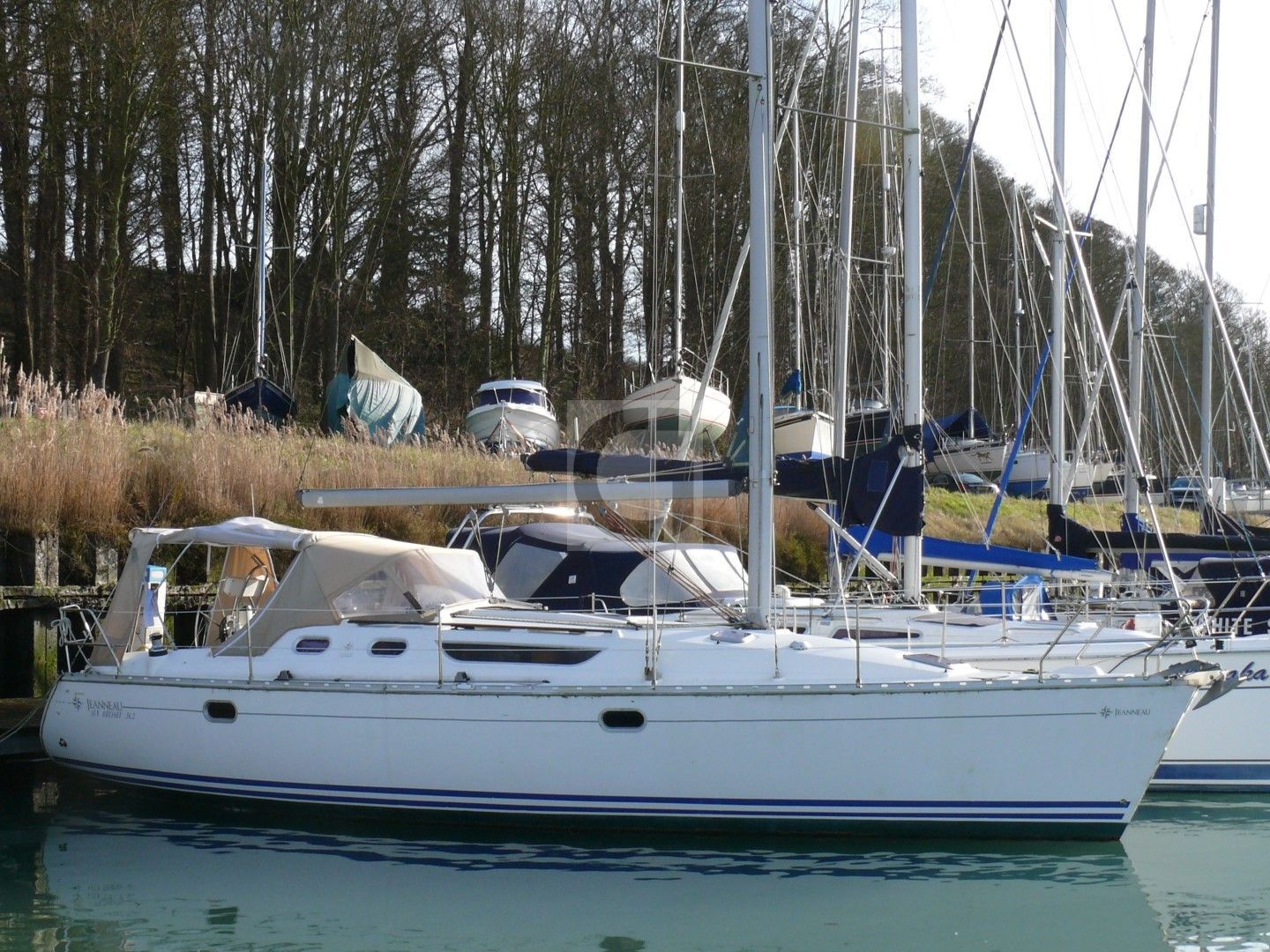
Pairing the MkII with the Sun Odyssey 36.2 highlights the U.S. vs European design philosophies of the era: the Catalina favors roomy American joinery, robust systems and a conservative rig, while the Jeanneau tends toward lighter finishes, a sleeker profile and a hull shape that can feel more nimble when sailed actively. Sailors who cruise with family and value interior volume and easy maintenance will appreciate the MkII’s predictable behavior and familiar service patterns; sailors who want a slightly sportier helm feel and a design that rewards tighter sail trim in variable conditions may tilt toward the Sun Odyssey.
From an ownership perspective, both boats require the usual survey vigilance — deck hardware, chainplate integrity and rigging age are common inspection points — but Jeanneau examples sometimes show different tankage, plumbing or electrical layouts that reflect European manufacturing choices; buyers should verify parts availability and regional support. Ultimately the decision often hinges on personal taste: do you want a heavier, American-style cruiser with simple systems (Catalina), or a European-styled boat that can feel a hair more responsive at sea but might have less conservative system packaging?
► Learn more about de Jeanneau Sun Odyssey 36.2
Catalina 36 MkII vs Beneteau Oceanis 361

Comparing the MkII with the Oceanis/361 demonstrates contrasts between classic American production sensibilities and French production trends of the period. The Oceanis line emphasizes interior volume optimization and modernized lines, frequently offering more contemporary accommodations and optional layout flexibility; the Catalina emphasizes tried-and-true structural strength and user-friendly ergonomics aimed at families and coastal voyagers. On the water, the Oceanis may feel more modern and slightly quicker in moderate conditions, while the Catalina provides a reassuring, predictable motion and often a bit more interior storage dedicated to practical cruising.
Maintenance reality follows the design: both boats are common on the used market and benefit from large support networks, but the Catalina’s construction simplicity often translates to easier DIY repairs and familiarity among American yards, which some buyers find reduces long-term ownership stress. Beneteau owners who prize upwind feel and contemporary accommodations might accept slightly higher complexity in systems or a different layout language; Catalina owners get conservatism, serviceability and a broad buyer pool on resale.
► Learn more about de Beneteau Oceanis 361
Maintenance Costs for a Catalina 36 MkII in the USA
Typical annual and periodic expenses (illustrative ranges, U.S.):
- Mooring / slip fees: $2,000–$12,000 per year — coastal Northeast and California are at the high end; smaller Gulf and Southern marinas are less expensive.
- Insurance: $800–$3,000 per year — depends on vessel value, cruising range and owner experience.
- Engine servicing (annual): $400–$1,200 — routine oil, filter, transmission/saildrive checks; larger overhauls every few thousand hours.
- Haulout & antifouling: $700–$3,000 (yearly or biennial) — labor and materials vary greatly by region and haul facility.
- Standing rigging (inspection/maintenance): $200–$2,000 pro-rata — full replacement every 8–15 years is a significant episodic cost.
- Sails (repairs/replacement): $200–$2,000/year in repairs; $4,000–$12,000 for a full set replacement depending on cloth and maker.
- Systems/electronics refreshes: $500–$8,000+ episodic — chartplotter, instruments, wiring upgrades, battery bank or refrigeration work.
- Miscellaneous (zincs, anodes, hoses, pumps): $200–$1,200/year.
Significant one-time costs to budget: major sail replacement, a full electrical/electronics refit (especially if converting to lithium and modern nav systems), and any composite repairs from deck core or keel-joint issues discovered during survey. Many owners can perform routine tasks (cleaning, minor plumbing, varnish, filter changes) themselves, but haulouts, rig checks and serious systems work typically require professional yards — particularly in regions where labor rates are high. Overall the MkII’s running costs are medium for a 36-foot cruiser: higher than the cheapest small weekenders but lower than larger or more complex yachts. Boats with well-documented maintenance histories generally hold value better and reduce long-term surprise expenses
Conclusion
The Catalina 36 MkII’s strengths are its proven, comfortable interior, predictable handling and the mass-market support that comes with a highly produced model: parts, community knowledge and yards familiar with its systems are abundant. Its weaknesses are the familiar inspection and maintenance points found on many production boats of its vintage — chainplate bedding, deck core attention, and the periodic need to modernize rigging and electronics. For a buyer seeking a reliable, family-oriented coastal cruiser with reasonable resale prospects and straightforward maintainability, the MkII is a sensible, value-driven choice. It is especially well suited to couples and families who prioritize onboard comfort and low-surprise ownership over racing performance. With a careful survey and a modest budget for preventative upgrades, hunting for a well-kept Catalina 36 MkII is generally worth the time for someone building a lifetime of coastal cruising memories.
Specifications
| Hull Type | Fin w/spade rudder |
| Rigging Type | Masthead Sloop |
| LOA | 36.33 ft / 11.07 m |
| LWL | 30.25 ft / 9.22 m |
| S.A. (reported) | 555.00 ft² / 51.56 m² |
| Beam | 11.92 ft / 3.63 m |
| Displacement | 13,500 lb / 6,123 kg |
| Ballast | 6,000 lb / 2,722 kg |
| Max Draft | 5.83 ft / 1.78 m |
| Construction | FG solid |
| Ballast Type | Lead |
| First Built | 1994 |
| Last Built | 2005 |
| Builder | Catalina Yachts (USA) |
| Designer | Frank Butler / Gerry Douglas |
| Auxiliary Power | Universal Diesel, 35 HP |
| Fuel Capacity | 25 gals / 95 L |
| Water Capacity | 72 gals / 273 L |
| S.A. / Displ. | 15.72 |
| Bal. / Displ. | 44.44 |
| Disp. / Len. | 217.73 |
| Comfort Ratio | 23.98 |
| Capsize Screening Formula | 2.01 |
| S# | 2.36 |
| Hull Speed | 7.37 kn |
| Pounds/Inch Immersion | 1,288.39 lb/inch |
| Rig I | 44.75 ft / 13.64 m |
| Rig J | 14.33 ft / 4.37 m |
| Rig P | 39.00 ft / 11.89 m |
| Rig E | 12.00 ft / 3.66 m |
| S.A. Fore | 320.63 ft² / 29.79 m² |
| S.A. Main | 234.00 ft² / 21.74 m² |
| S.A. Total | 554.63 ft² / 51.53 m² |
| S.A./Displ. (calc.) | 15.71 |
| Est. Forestay Length | 46.99 ft / 14.32 m |
Disclaimer
The considerations and analyses presented regarding the Catalina 36 MkII sailboat are of a general nature and are based on the available information and technical data on this model, interpreted to the best of our knowledge and understanding. It is important to note that the specific characteristics of any particular sailboat may vary due to custom modifications, maintenance performed, and conditions of use over time, among other factors. Therefore, the details and performance of the boat you are considering may not exactly match the information provided here.
We strongly recommend that, before making any purchasing or usage decisions, you conduct a detailed inspection of the boat in question, consult with nautical professionals and other sailors, and consider your personal needs, expectations, and capabilities. Each sailboat may have unique particularities that affect its performance and suitability for different types of sailing and sailors.
The information contained in this analysis should be used as a general guide and not as a definitive reference. Professional evaluation and personal inspection are essential to ensure that the boat meets your specific requirements and expectations.