


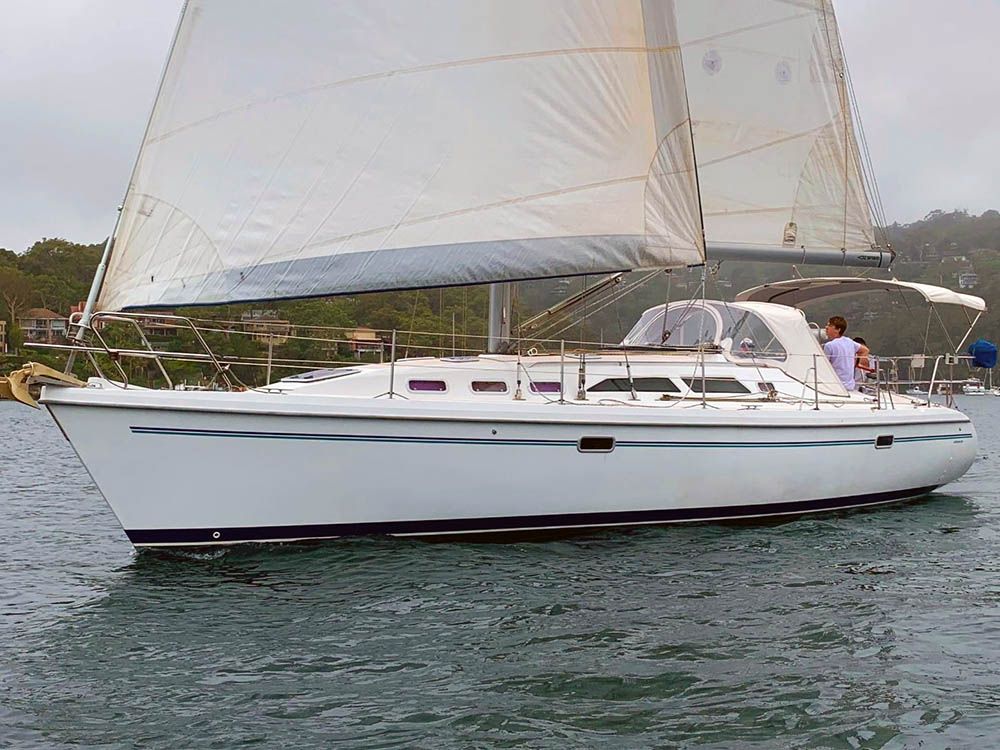
The Catalina 380 is a purpose-built cruising yacht that emerged in the late 1990s as Catalina Yachts’ answer for owners wanting a comfortable, manageable 38–39 foot platform for family coastal cruising and occasional offshore passages. Designed by Gerry Douglas and launched in the late 1990s, the 380 was conceived to balance roomy accommodations with straightforward systems and a conservative sail plan—traits that appealed to experienced cruisers stepping up from smaller boats as well as to families who wanted space without a complicated deck layout. The model has enjoyed steady popularity on the used market: it appears regularly in U.S. broker listings and private sales, attracting private owners, couples and families more than charter fleets, and it remains a common choice for buyers prioritizing value and liveability over outright performance.
Design and Construction
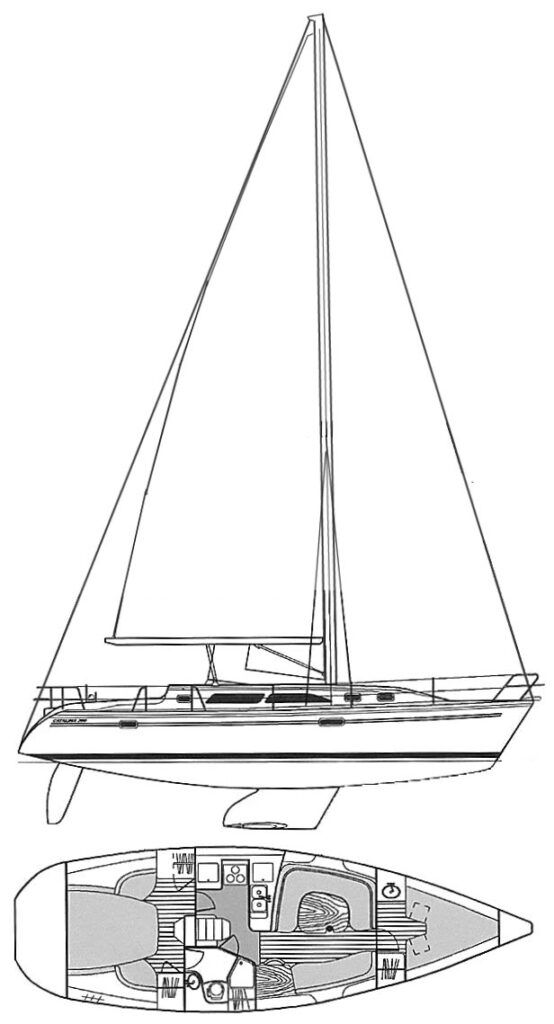
Catalina’s design for the 380 follows familiar late-20th-century cruising principles: a moderate-displacement fiberglass hull, relatively full sections aft to increase interior volume and form stability, and a fin keel with a spade rudder that gives a direct helm feel. The sailplan is a masthead sloop—simple, robust and backed by a broad spare-parts market—which makes headsail changes and tuning familiar to any cruiser. Construction is conventional hand-laid or molded fiberglass with internal structural framing and a bonded grid; this is a pragmatic choice that keeps repairability straightforward and replacement parts widely available in the U.S. market. Those decisions—roomy topsides, practical deck layout and conservative rig—translate to a boat that is easy to survey and to maintain: fiberglass repairs, keel inspections and engine servicing are routine jobs for most yards, and the simple rigging arrangement is forgiving for short-handed crews and owner-mechanics.
From an architectural standpoint the 380 trades a little pointing and light-air sparkle for greater interior comfort and stability under heel—wider aft sections increase initial stability and allow a shallow cockpit with good seating, while a substantial ballast ratio provides a reassuring righting moment for coastal passages. Buyers should note that the number of deck penetrations (hatches, portlights, winch bases) means sealant and bedding condition is a key long-term maintenance variable that affects durability and residual value.
Performance
On the water the Catalina 380 behaves like a true cruiser: steady, predictable and forgiving. The masthead rig and moderate displacement give decent power in a range of conditions, but the boat is not optimized for racing—its strengths are comfortable motion, straight tracking and usable performance across typical coastal wind ranges. In light airs she will keep moving if canvassed well, while in a steady breeze she heels into a comfortable angle and maintains momentum; the fin-keel variants tend to point better and make slightly better VMG to windward than shoal versions. Maneuverability under power is conventional—adequate for tight marinas though caution is wise in strong crosswinds—and the spade rudder provides crisp control when helming.
Compared with contemporaries like the Beneteau Oceanis 393, Jeanneau Sun Odyssey 40 and Dufour 38–40 models, the Catalina 380 usually sits a bit to the conservative side of the performance spectrum: it’s rarely the fastest boat off the wind, but it rewards pragmatic sailors with straightforward handling, fewer fiddly systems and comfortable passage making. Owners generally praise its reliability and the low-drama sailing experience, which is often what buyers want for family cruising.
Comfort and Accommodations
Internally the Catalina 380 emphasizes liveability. Typical layouts offer a generous owner’s cabin, a roomy saloon with settees that double as berths, and a practical aft cabin arrangement—making the boat well suited for a couple who cruise with children or for a family that spends weekends aboard. Storage is sensibly distributed with lockers, under-berth space and dedicated sail and line stowage; ventilation and natural light benefit from multiple opening ports and hatches, improving comfort on warm days. The galley is configured for actual meal preparation underway rather than as an afterthought, and the overall ergonomics—wide companionway, accessible engine space and a comfortable chart area—favor ease of use for owner-operators.
For extended liveaboard use some systems upgrades (refrigeration, heating, insulation, or larger water capacity) are common, but the base boat can support coastal cruising comfortably. Cosmetic refits are frequent on the used market—new upholstery, varnish and galley updates are common—and when structural systems have been maintained the interior ages well, making the 380 a practical platform for both short cruises and longer seasonal stays.
Safety and Practicality
Deck layout and cockpit ergonomics favor safe, practical sailing: reasonably wide sidedecks, solid handholds and a cockpit with good coamings make moving on deck more secure in confused conditions. The masthead sloop rig and straightforward control plan allow quick reefing and predictable balance, which is important for short-handed crews or family sailing. Access to the water via transom or boarding ladder is typical for the era; many owners add modern safety upgrades (jacklines, dedicated liferaft stowage and upgraded jackstays) before committing to extended offshore work.
Systems access tends to be owner-friendly—the engine is reachable and service points are logical—so routine maintenance is often feasible for competent owners. For true bluewater programs the Catalina 380 benefits from survey-driven upgrades (rigging, seacocks, electrical redundancy), but as built it is a solid coastal cruiser that has proven capable of offshore passages when properly prepared.
Known Issues with the Catalina 380
Common, non-fatal issues raised by owners and surveyors focus on deferred maintenance rather than systemic design failures. The most frequent items flagged are degraded sealant around hatches and portlights leading to occasional leaks, wear in furling systems or winches from heavy use, and the normal aging of standing rigging and hoses that accompany 20+ year boats. Some examples—especially those used in charter or high-use club fleets—show patched electrics or piecemeal system upgrades that later owners choose to standardize. Practical, commonly recommended improvements at purchase include resealing or replacing hatch and portlight bedding, inspecting and replacing standing rigging as indicated by age and condition, upgrading navigation electronics for reliability, and checking engine mounts, shaft alignment and propeller condition to avoid vibration and improve motoring efficiency. These are typical refit items for a boat of this vintage and are generally straightforward for professional yards to address.
Market Availability and Pricing in the U.S.
The Catalina 380 is out of production and available only on the secondary market. Listings appear regularly across the U.S., with concentrations in Florida, California and the Northeast—regions with active family-cruising communities and brokerages. Condition ranges from well-maintained owner boats to cosmetically tired examples; well-documented maintenance histories and sensible refits strongly influence asking prices. Current U.S. asking prices for decent, ready-to-cruise examples typically fall in the range $60,000–$110,000, with lower-priced project boats and higher-spec refitted examples outside that band. Given its recognized pedigree and practical layout, the 380 tends to offer good value and usually finds a steady buyer pool among coastal cruisers and families.
Here’s how it compares to similar models:
| Model | LOA (approx) | Typical Years | Typical used price (US) | Main differences |
|---|---|---|---|---|
| Catalina 380 | ~38.4 ft | 1997–2003 | **$60,000–$110,000** | Conservative American cruiser, roomy cockpit and practical systems; reliable and easy to maintain. |
| Beneteau Oceanis 393 / 40 | ~39–40 ft | 2000–2006 | $75,000–$140,000 | European build, often sportier under sail, popular with charter fleets; varied interior options. |
| Jeanneau Sun Odyssey 40 | ~40 ft | 2000–2007 | $70,000–$130,000 | Balanced European cruiser with a roomy interior and sprightlier handling in moderate airs. |
| Dufour 385 / 40 (comparable) | ~38–40 ft | 2000–2010 | $70,000–$140,000 | European focus on performance and modern lines; typically lighter displacement and sportier sail feel. |
Catalina 380 vs Beneteau Oceanis 393 / 40
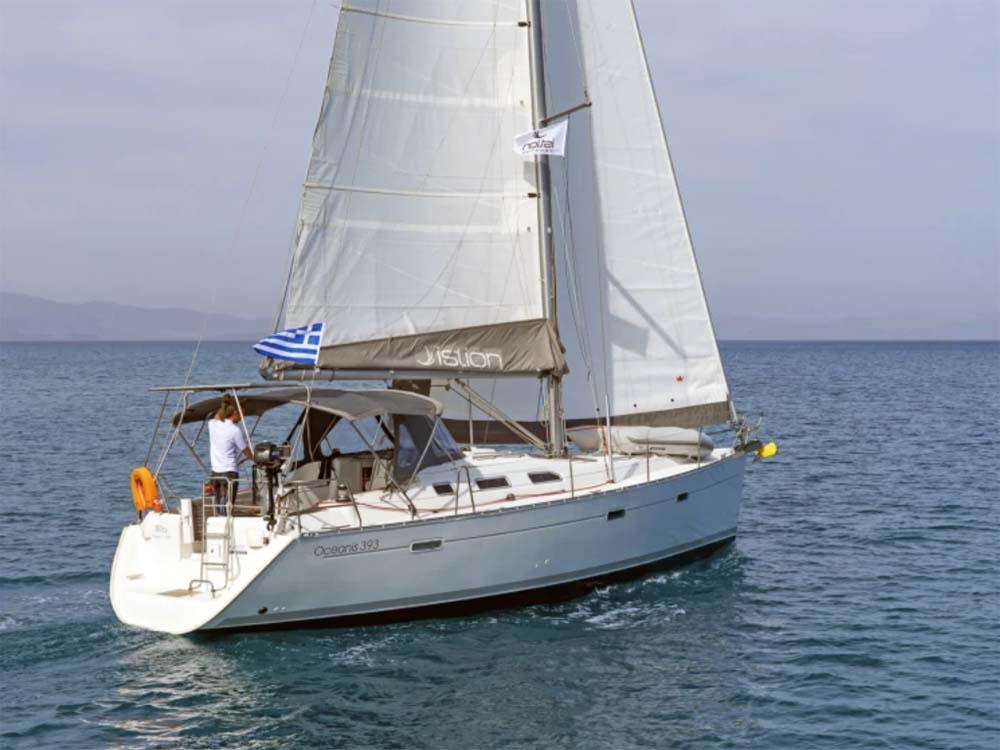
The Catalina 380 leans toward conservative American cruising virtues—sturdy systems, familiar rigging and a very usable cockpit—while the Beneteau Oceanis 393 often emphasizes modern European lines and slightly sportier sailing characteristics. For a buyer prioritizing simple, robust systems and a broad U.S. owner network, the Catalina can mean fewer surprises in parts and repairs; for an owner who values a snappier feel under sail and a layout tailored to charter-style flexibility, the Beneteau may offer an edge.
From a maintenance and ownership viewpoint the Catalina’s conservative systems and widespread parts availability usually reduce friction for DIY owners, but the Beneteau may deliver modestly higher resale value in some markets if it has performance-oriented gear and a documented upgrade history.
► Learn more about de Beneteau Oceanis 393
► Learn more about de Beneteau Oceanis 40
Catalina 380 vs Jeanneau Sun Odyssey 40

Compared to the Jeanneau, the Catalina prioritizes predictability and ease of maintenance, while the Sun Odyssey 40 tends to favor a European balance between interior comfort and slightly livelier handling. A buyer who wants the cleanest possible ownership experience in U.S. waters—easy-to-find spares, familiar engine options and a straightforward rig—may prefer the Catalina; a buyer who wants sharper helm feedback and a more contemporary interior feel may lean Jeanneau.
Both boats require similar preventive maintenance, but Jeanneau layouts can feel more modern and may demand a bit more attention to bedding and deck hardware design differences; the Catalina’s conservative engineering often makes routine servicing a touch more predictable.
► Learn more about de Jeanneau Sun Odyssey 40
Catalina 380 vs Dufour 40 / Dufour 385
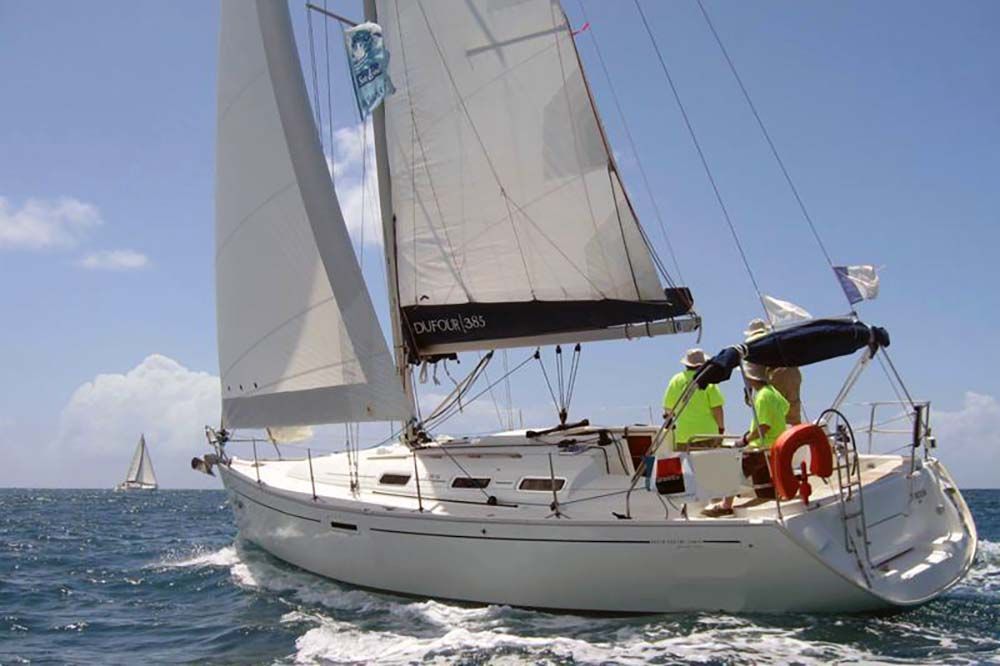
Against Dufour’s more performance-oriented models, the Catalina 380 is the steadier, less demanding platform: Dufour designs typically carry higher sail-area-to-displacement ratios and lighter feel, which reward tuning and active sail management. The practical consequence is that a cruising couple who wants low-maintenance, comfortable passages will find the Catalina’s temperament forgiving, while a buyer aiming to squeeze extra speed and occasionally race will prefer the Dufour—accepting a bit more ongoing tuning and sail care.
In ownership terms the Dufour may ask for higher one-off investments in sails and rigging to realize its potential, whereas the Catalina lets owners focus maintenance budgets on long-life items (seacocks, through-hulls, engine service) that directly support dependable cruising.
► Learn more about de Dufour 40
► Learn more about de Dufour 385
Maintenance Costs of a Catalina 380 in the USA
- Mooring/Slip/Storage: $2,000–$10,000+ per year depending on marina and region.
- Insurance: $800–$3,000 per year depending on cruising area, coverage and owner experience.
- Engine servicing (annual): $400–$1,200 for routine service; larger overhauls cost more.
- Bottom paint/antifouling (biennial typical): $800–$3,000 depending on haulout and paint choice.
- Standing rigging inspection/replacement: inspection $200–$600; replacement $3,000–$8,000 (age dependent).
- Running rigging and sails: $200–$2,500 annually for repairs; sail replacement $3,000–$10,000+ for a new main and headsail.
- Electronics/navigation upgrades: $500–$6,000+ for modest to full refits.
- General maintenance and spares: $1,000–$4,000 for pumps, seacocks, plumbing and small electrical jobs.
- Survey and haulouts (periodic): survey $500–$1,500; haulout/yard fees $300–$2,000 depending on season and region.
Significant one-time costs buyers should budget for include major sail inventories, standing rigging replacement if the boat is aged, comprehensive electronics modernizations, and any deck-sealing or structural work uncovered by survey. The Catalina 380 is often owner-maintainable for routine mechanical and cosmetic work, but major structural, rigging or engine overhauls are best handled by professionals; region matters, with Northeast and West Coast yard rates typically higher than the Southeast or Gulf. Overall, within the 38–40 foot class the Catalina 380’s ownership costs rate as medium: not unusually expensive for its size, and well-maintained examples usually retain reasonable resale value that offsets maintenance investments for typical coastal cruisers
Conclusion
The Catalina 380 is a pragmatic, well-rounded cruiser that appeals to owners who want a reliable, easy-to-service yacht with comfortable accommodations and predictable sailing manners. Its strengths are a usable, family-friendly interior, conservative systems that simplify ownership, and a wide resale market that keeps buyer interest steady. Weaknesses are those common to production cruisers of the era—sealant and bedding upkeep, periodic rigging renewal and the occasional owner-modified electrical or plumbing system—but these are manageable with a sensible survey and a modest refit budget.
For buyers seeking a comfortable coastal cruiser that can handle longer passages when prepared, the Catalina 380 is often a smart and cost-effective choice. It represents good value for families and cruising couples who prefer straightforward systems and predictable performance, and a well-documented boat tends to hold resale value reasonably well in popular U.S. cruising regions.
Specifications
| Hull Type | Fin w/ spade rudder |
| Rigging Type | Masthead Sloop |
| LOA | 38.42 ft / 11.71 m |
| LWL | 32.42 ft / 9.88 m |
| Sail Area (reported) | 723.00 ft² / 67.17 m² |
| Beam | 12.33 ft / 3.76 m |
| Displacement | 19,000 lb / 8,618 kg |
| Ballast | 6,800 lb / 3,084 kg |
| Max Draft | 7.17 ft / 2.19 m |
| Construction | Fiberglass (FG) |
| First Built | 1997 |
| Builder | Catalina Yachts (USA) |
| Designer | G. Douglas / Catalina |
| Auxiliary Power (orig. equip.) | Westerbeke Diesel, 42 HP |
| Fuel Capacity | 26 gals / 98 L |
| Water Capacity | 102 gals / 386 L |
| S.A. / Displ. | 16.31 |
| Bal. / Displ. | 35.79 |
| Disp. / Len. | 248.92 |
| Comfort Ratio | 30.24 |
| Capsize Screening Formula | 1.85 |
| S# | 2.12 |
| Hull Speed | 7.63 knots |
| Pounds/Inch Immersion | 1,428.31 pounds/inch |
| Rig Dimensions (I / J / P / E) | I: 50.92 ft / 15.52 m J: 14.67 ft / 4.47 m P: 44.83 ft / 13.66 m E: 15.67 ft / 4.78 m |
| Sail Areas | Fore: 373.50 ft² / 34.70 m² Main: 351.24 ft² / 32.63 m² Total: 724.74 ft² / 67.33 m² |
| S.A. / Displ. (calc.) | 16.35 |
| Est. Forestay Length | 52.99 ft / 16.15 m |
Disclaimer
The considerations and analyses presented regarding the Catalina 380 sailboat are of a general nature and are based on the available information and technical data on this model, interpreted to the best of our knowledge and understanding. It is important to note that the specific characteristics of any particular sailboat may vary due to custom modifications, maintenance performed, and conditions of use over time, among other factors. Therefore, the details and performance of the boat you are considering may not exactly match the information provided here.
We strongly recommend that, before making any purchasing or usage decisions, you conduct a detailed inspection of the boat in question, consult with nautical professionals and other sailors, and consider your personal needs, expectations, and capabilities. Each sailboat may have unique particularities that affect its performance and suitability for different types of sailing and sailors.
The information contained in this analysis should be used as a general guide and not as a definitive reference. Professional evaluation and personal inspection are essential to ensure that the boat meets your specific requirements and expectations.