


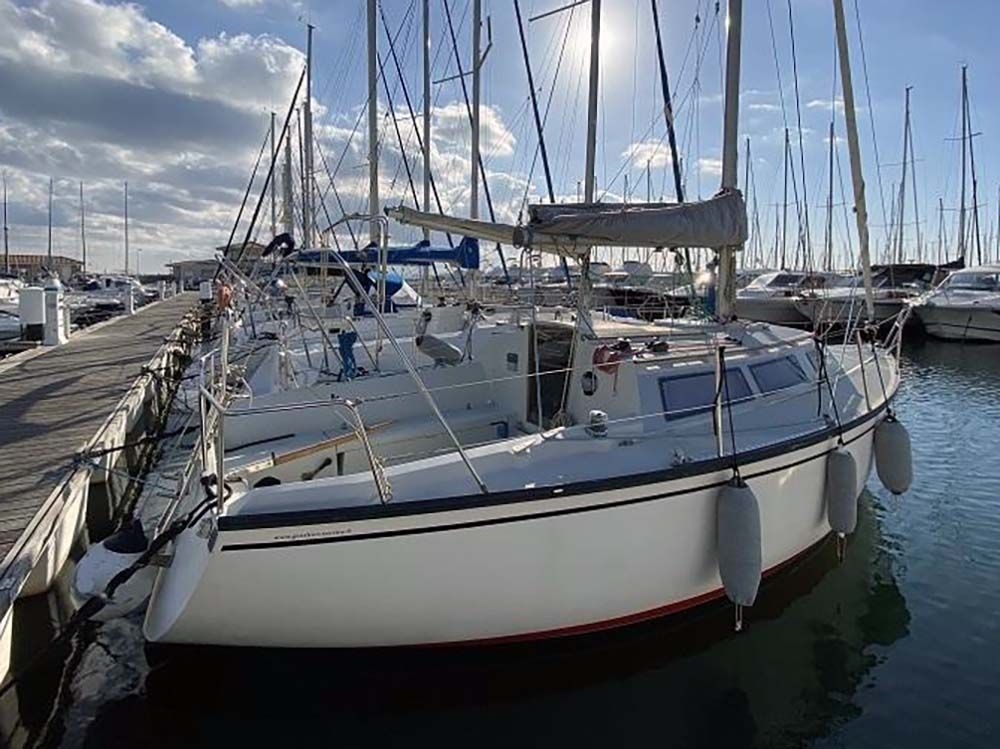
Dufour 2800 is a compact, coastal cruiser first introduced in the late 1970s as a small family-friendly cruising yacht rather than a pure racer. Designed and built by Dufour in France with Michel Dufour’s influence credited in period documentation, the 2800 was intended to offer easy-handling sailing for couples and small families who wanted sensible accommodation and sensible performance in a 27-foot package; over its production run it became one of Dufour’s best-selling small cruisers, with roughly 1,300 hulls built between the late 1970s and early 1980s. This combination of modest size, straightforward systems and roomy interior for its length has kept the model alive on the resale market: the 2800 shows up regularly in Europe and occasionally in U.S. listings, appealing primarily to coastal cruisers, first-time keelboat owners and sailors looking for an affordable weekend boat.
Design and Construction
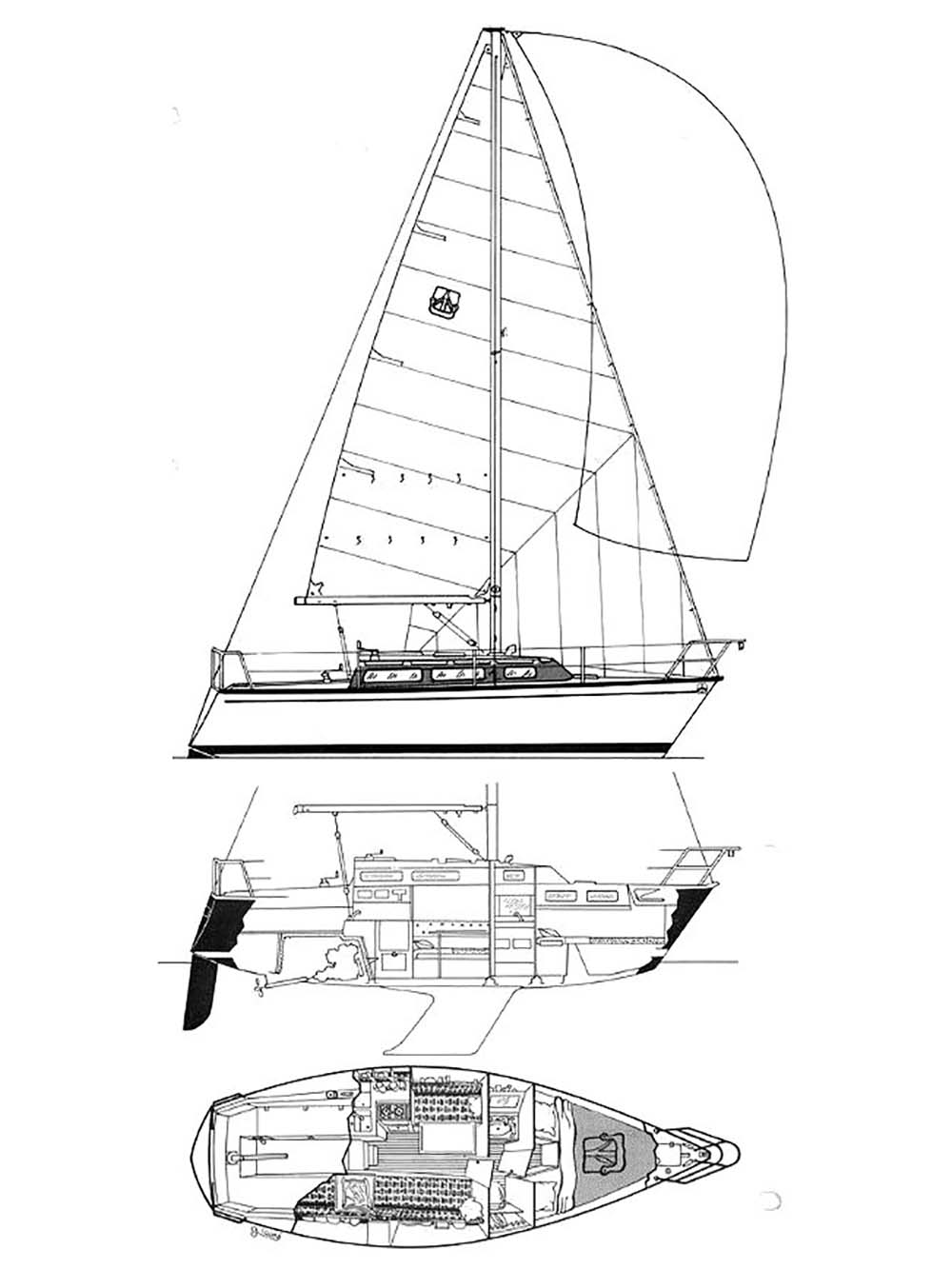
The Dufour 2800’s hull reflects late-1970s production-boat thinking: a relatively full forefoot, moderate beam carried well aft and a fin keel with an optional deeper “CS” or lifting-keel variant for owners who needed shoal draft. The standard form is paired with a masthead sloop rig and a spade (or semi-spade) rudder—choices that favor simple sail handling and predictable helm feel over extreme pointing ability. Construction is hand-laid fiberglass (GRP) with a deck that can include a core; ballast ratios and displacement put it in the moderate-displacement cruiser category, so the boat trades outright speed for internal volume and forgiving motion. These design choices make the 2800 relatively easy to maintain (solid GRP hulls are straightforward to repair) but also mean owners should inspect deck core areas and keel attachments as part of any survey. From an architectural point of view, the boat’s displacement/length and ballast/displacement ratios yield a comfortable coastal platform with reasonable stiffness for the boat’s size, and the simple rig and systems keep replacement parts and upgrades affordable—important considerations for a buyer watching long-term upkeep and resale value.
Performance
On the water the 2800 behaves like a pragmatic coastal cruiser: she’s balanced under sail, accelerates well in a breeze for her size, and tracks steadily through short chop—qualities sailors appreciate for weekend hops and island-hopping. The hull form and standard fin keel give reasonable windward ability for club-level competition but she is not a modern light-displacement flyer; expecting close-hauled speeds similar to newer 28-foot designs will be optimistic. In choppy seas the motion is moderate rather than harsh (comfort ratios and owner reports place her in the “good for coastal work” range), so the boat feels confident for day sails and short offshore hops in fair weather but would require careful weather planning for longer blue-water passages. Compared with contemporary 27–29-foot cruisers she tends toward a forgiving, easy-to-trim character rather than outright performance, which is exactly why many owners value her—predictability and low-stress handling on short handed cruises.
Comfort and Accommodations
Inside, the 2800 punches above its weight: by late-1970s standards Dufour laid out a surprisingly roomy saloon, practical galley and a forward double berth that make the boat quite usable for a couple or a small family. Storage is decent for weekend cruising, and headroom and windowed coachroof design provide a bright, airy feel uncommon in many small cruisers of the era. For extended liveaboard life space is tight—two adults can cruise comfortably for weeks if they accept modest storage and creature comforts, but full-time living will usually require thoughtful organization and some modern upgrades (pumps, refrigeration, electrics) to match contemporary expectations. Interiors are typically plywood-trimmed and many surviving boats show owner refits—replaceable joinery, updated upholstery and modest systems upgrades are common and generally straightforward for a competent owner or a small yard to carry out.
Safety and Practicality
Deck layout and cockpit ergonomics favor straightforward, low-stress sailing: the small sloop rig allows reefing and headsail handling without an extensive crew, and cockpit access to the transom is adequate for swimming or man-overboard recovery with basic steps and a swim ladder. For coastal passages the boat’s build and systems are appropriate with routine survey attention; for higher-latitudes or serious offshore work owners typically upgrade ground tackle, add improved seacocks and check bulkhead/keel joins and through-hull fittings. Systems are simple by modern standards—mechanical inboards of modest horsepower and basic electrical systems—so most routine maintenance and repairs remain accessible to an owner with basic skills, which keeps operating costs down and makes it a practical choice for people who prefer to DIY a good portion of their maintenance.
Known Issues with the Dufour 2800
Owners and surveyors commonly flag a handful of recurring items on the 2800. Osmotic blistering or gelcoat blisters have been reported in older examples stored in warm, wet conditions—this is a function of age and exposure rather than a unique structural defect, and small blisters are often cosmetic but should be investigated during survey. Deck core-saturation is not frequently cited as systemic, but decks and companionway seals are routine inspection points; any soft spots or water ingress around hatches warrant a closer look. Engines on surviving boats are typically older small diesels and may need overhaul or replacement depending on service history, and running rigging and standing rigging are commonly replaced after a few decades as part of a responsible ownership program. Typical owner recommendations include treating osmosis if present, renewing standing rigging to a date-based schedule, and modernizing propellers or electronics for improved practicality—these are predictable, manageable investments that a buyer should budget for.
Market Availability and Pricing in the U.S.
The Dufour 2800 is out of production and is now only available on the used market; current listings show examples coming from Europe more often than the U.S., although U.S. brokerage sites do occasionally list stateside boats. Typical asking prices seen recently across broker platforms and classified ads generally sit in the lower-tier for 27–29-foot production cruisers—reflecting age, drivetrain condition and fitted equipment rather than intrinsic design flaws. A reasonable current U.S. market estimate for good, survey-clean examples is $8,000–$22,000, depending on year, rigging condition, engine state and any refit work; less-well-maintained or EU-based listings can appear lower, and fully refitted boats with upgraded systems will push toward the top of the range. For comparison, common alternatives in the same category often trade at similar or slightly different price bands depending on their popularity and local demand.
Below is a comparison with similar sailboats from the same era:
| Model | LOA | Year (approx.) | Typical used price (U.S.) | Principal differences |
|---|---|---|---|---|
| Dufour 2800 | 27.1 ft | 1977–1984 | **$8,000–$22,000** | Roomy interior for length, moderate-displacement cruiser, simple rig. |
| Catalina 27 | ~27 ft | 1971–1991 | $4,000–$12,000 | Very common in U.S., heavy build, large owner community, easy resale. |
| Hunter 27 | ~27 ft | 1974–1984 (varies by variant) | $6,000–$18,000 | U.S. build, value-focused production, variable finishes and systems. |
| Beneteau First 285 | 28.2 ft | mid-1980s–early-1990s | $9,000–$22,000 | Sportier lines, Finot design, often better pointing and lighter feel under sail. |
Dufour 2800 vs Catalina 27

The Dufour 2800 presents a European take on the 27-foot cruiser with fuller coachroofs and a focus on interior volume, while the Catalina 27 reflects a classic American production approach with a slightly heavier displacement and a very large owner network. In practice that means the Dufour tends to feel roomier above deck and often better appointed for coastal cruising, whereas Catalinas win on parts availability, inexpensive replacement gear and resale liquidity in many U.S. regions.
For a buyer this translates into a trade-off: choose the Dufour for a slightly more modern European layout and predictable handling, or choose the Catalina if you prioritize local support, lower short-term running costs and the easiest path to resale.
► Learn more about the Catalina 27
Dufour 2800 vs Hunter 27

Compared with the Hunter 27, the Dufour is generally seen as having a more intentional cruising geometry and slightly cleaner hull lines, while the Hunter was built to be affordable and broadly usable in American waters. Hunters often offer pragmatic creature comforts and patchier fit-and-finish (reflecting a production cost focus), whereas the Dufour’s construction and layout feel, to many owners, a bit more refined for the coastal cruising role.
Buyers who want the lowest real-world maintenance overhead and easy sourcing of parts often steer toward Hunter models; buyers who value a tidier interior layout and slightly better seakeeping for coastal passages will value the Dufour more.
► Learn more about the Hunter 27
Dufour 2800 vs Beneteau First 285
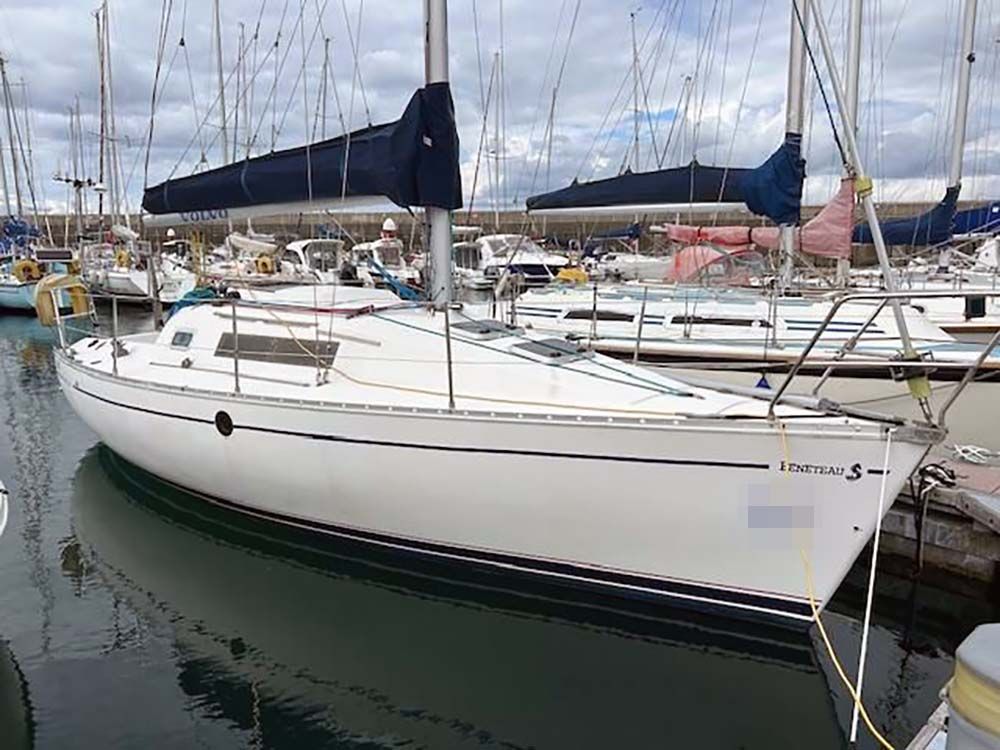
The First 285 sits a little to the “sportier” side of the spectrum—Finot’s lines and a lighter displacement give it crisper pointing and a more responsive helm—while the Dufour 2800 emphasizes a comfortable, forgiving ride and more conservative motion. For family cruising where comfort, storage and a steady motion are priorities the Dufour’s balance favors practical weekenders; for owners who want quicker passage-times and club racing potential, the First 285 often provides better performance for a similar length.
Practically speaking, the First 285 can demand higher attention to rig trim and sail condition to exploit its performance edge, whereas the Dufour rewards a simpler, lower-maintenance sailing style that many part-time owners prefer.
► Learn more about de Beneteau First 285
Maintenance Costs of a Dufour 2800 in the U.S.
Below is a compact, practical view of typical annual costs—figures are ranges to reflect condition, region and owner experience:
- Mooring/Slip or Storage: (varies widely) $1,500–$8,000 per year depending on region and marina amenities; New England and California run high, inland or basic moorings are cheaper.
- Insurance: (small older cruiser) $300–$1,200 per year depending on policy, cruising area and value.
- Engine servicing: (annual/minor) $300–$1,000 — oil, filters, impeller, belts; overhaul or replacement far higher if needed.
- Antifouling & hull care: $300–$1,200 annually (in-water cleaning or haul-out + paint every 2–3 years adds $800–$2,500).
- Standing and running rigging: (inspection & small repairs) $200–$800 annually; replacement of standing rigging is a date-based/refit cost ~ $1,500–$4,000 when due.
- Sails: (routine repairs) $100–$600 per year; replacement main or genoa typically $1,200–$4,000 depending on material and cut.
Significant one-time costs buyers should budget for: full standing-rigging replacement ($1,500–$4,000), a new mainsail ($1,200–$3,000), prop-overhaul or replacement ($500–$1,500), electronics refit (chartplotter, VHF, instruments $1,000–$5,000) and osmosis treatment or major gelcoat work (several thousand dollars). Regional differences matter: warm, fouling-prone waters (Florida, Gulf) increase antifoul and zinc/prop maintenance; northern owners pay more for haul-out and winter storage.
A Dufour 2800 can be owner-maintained to a large degree—many systems are simple and accessible—but certain jobs (mast/standing rigging removal, osmosis repairs, engine overhauls) usually require professional yards. Overall cost level for this size and type is medium: more than a trailer-sailer or very small daysailer, but lower than larger coastal cruisers; resale value is generally fair for the condition/market and modest investment in refit tends to pay off in quicker saleability in many regions
Conclusion
The Dufour 2800 is best understood as a practical, well-balanced coastal cruiser whose original goals—comfortable accommodation for a small crew, manageable systems, and predictable handling—have aged well. Strengths include an unusually roomy interior for a 27-footer, simple and repairable construction, and handling that rewards short-handed cruising; weaknesses are the inevitability of age-related maintenance (blisters, rigging and engine wear) and a resale market that is narrower in the U.S. than for some American production 27-footers. For a buyer seeking an affordable, comfortable coastal cruiser to use for weekends, club events and occasional longer hops—someone willing to invest in a sensible survey-led refit—the 2800 is worth seeking out. It is not the fastest boat in her size class, nor the lowest-maintenance forever, but for coastal cruising she represents a solid value: modest purchase price, predictable running costs if looked after, and a character that rewards practical ownership.
Specifications
| Hull Type | Fin w/spade rudder |
| Rigging Type | Masthead Sloop |
| LOA | 27.08 ft / 8.25 m |
| LWL | 22.14 ft / 6.75 m |
| S.A. (reported) | 325.00 ft² / 30.19 m² |
| Beam | 9.61 ft / 2.93 m |
| Displacement | 6,064 lb / 2,751 kg |
| Ballast | 1,984 lb / 900 kg |
| Max Draft | 4.80 ft / 1.46 m |
| Construction | Fiberglass (FG) |
| Ballast Type | Iron |
| First Built | 1977 |
| Last Built | 1984 |
| # Built | 1,300 |
| Builder | Dufour |
| Designer | Michel Dufour |
| Auxiliary Power | Volvo Penta MD5, Diesel, 7.5 HP |
| Fuel Capacity | 11 gals / 42 L |
| Water Capacity | 36 gals / 136 L |
| S.A. / Displ. | 15.68 |
| Bal. / Displ. | 32.72 |
| Disp. / Len. | 249.45 |
| Comfort Ratio | 19.48 |
| Capsize Screening | 2.11 |
| S# | 2.05 |
| Hull Speed | 6.31 kn |
| Pounds/Inch Immersion | 760.23 lb/inch |
| Rig Dimensions (I/J/P/E) | I: 33.92 ft / J: 10.89 ft / P: 28.54 ft / E: 9.84 ft |
| S.A. Fore | 184.69 ft² / 17.16 m² |
| S.A. Main | 140.42 ft² / 13.05 m² |
| S.A. Total | 325.11 ft² / 30.20 m² |
| S.A./Displ. (calc.) | 15.69 |
| Est. Forestay Length | 35.63 ft / 10.86 m |
Disclaimer
The considerations and analyses presented regarding the Dufour 2800 sailboat are of a general nature and are based on the available information and technical data on this model, interpreted to the best of our knowledge and understanding. It is important to note that the specific characteristics of any particular sailboat may vary due to custom modifications, maintenance performed, and conditions of use over time, among other factors. Therefore, the details and performance of the boat you are considering may not exactly match the information provided here.
We strongly recommend that, before making any purchasing or usage decisions, you conduct a detailed inspection of the boat in question, consult with nautical professionals and other sailors, and consider your personal needs, expectations, and capabilities. Each sailboat may have unique particularities that affect its performance and suitability for different types of sailing and sailors.
The information contained in this analysis should be used as a general guide and not as a definitive reference. Professional evaluation and personal inspection are essential to ensure that the boat meets your specific requirements and expectations.