


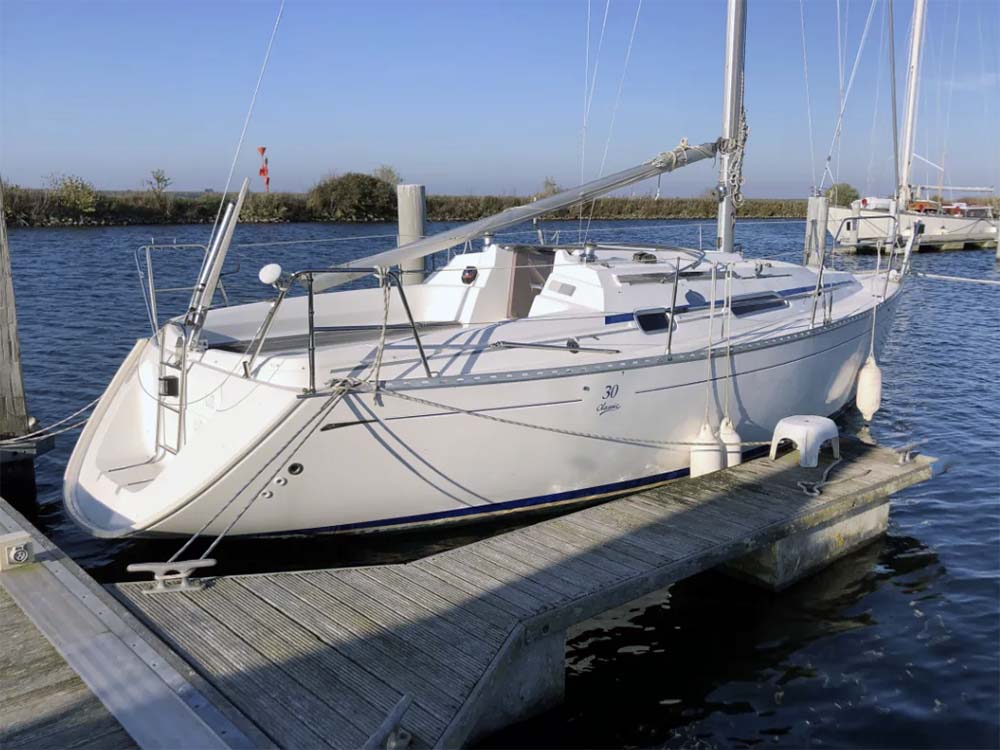
The Dufour 30 Classic is a compact, modern cruising yacht from Dufour’s “Classic” line that aimed to give coastal cruisers an attractive, easily handled 30-foot platform with respectable sailing manners. Designed in the late 1990s by J&J (with Oliver Poncin often credited in reviews for later detailing) and built by Dufour in France, the model was intended as a comfortable weekender that could also be pushed into club-level coastal passages — a boat to introduce new owners to the brand and to keep experienced owners happy with sensible systems. It enjoyed healthy production numbers and a strong presence on the brokerage market in Europe and beyond, and today it appears regularly on international listings and U.S. broker sites as a well-priced used cruiser that attracts private owners and couples looking for a step up from small trailerable boats.
Design and Construction
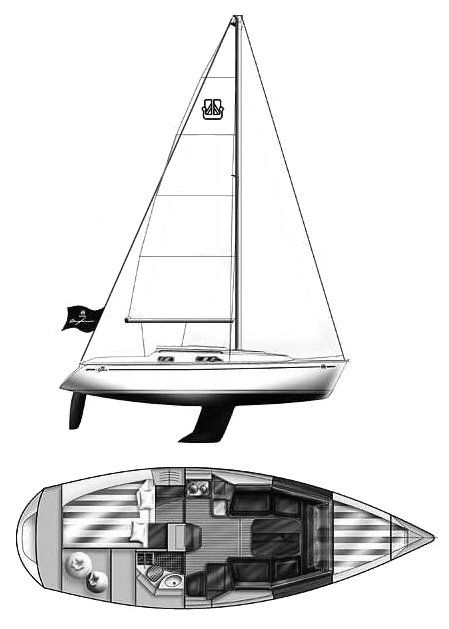
The Dufour 30 Classic follows contemporary late-1990s cruising architecture: a moderate beam carried fairly far aft, a fin keel (available in deep and shoal options), and a spade rudder that gives quick helm response. Construction is GRP (fiberglass) with a balsa-cored deck on many examples — a choice that lowers topside weight and raises stiffness, but which places a premium on careful bedding of deck fittings and survey checks for core wetting. The rig is a masthead sloop with a sailplan sized to keep the boat brisk in a breeze while remaining manageable for short-handed crews; systems and engine installations (commonly a small Volvo MD series or similar saildrive set up) are laid out to balance accessibility with compactness. Those design choices make the hull relatively light and lively for a cruising 30-footer, but they also mean buyers should factor in periodic checks of deck core integrity and routine rig inspections — tradeoffs that tend to favor owners who want good sailing performance without exotic materials or complexity.
Performance
On the water the Dufour 30 Classic is generally praised as “well balanced and responsive”: it accelerates quickly into wind, tracks well to windward, and rewards careful sail trim with surprising speed for its length. In moderate to fresh conditions the hull and sail area deliver confident pointing and a lively feel; in light airs the boat benefits from the efficient underwater profile and a sensible sailplan but, like any cruiser of its size, will be less sprightly than ultra-light modern racers. A deeper fin keel option sharpens up windward performance and reduces leeway, while the shoal version trades some pointing ability for access to shallower harbors. Overall reputation among testers and owners is positive for coastal passages and club racing when desired — it sits in the market as a cruiser that can be sailed seriously without becoming an all-out race boat.
Comfort and Accommodations
Dufour arranged the interior to maximize usable volume and practical comfort: layouts typically include two cabins (fore and an aft cabin or more open saloon depending on variant), a U-shaped galley, a functional nav/engine space and a sitting/dining area that converts readily to extra berths. Headroom, storage and tankage are generous for a 30-foot boat of this vintage, so a couple or a small family will find it comfortable for multi-day cruises; ergonomics favor a cruising couple that wants quick access to systems and easy movement below while sailing. Many brokerage examples show tasteful refits — updated cushions, modern electronics and refreshed joinery — so interiors often age well when owners invest in sensible upgrades; long-term liveaboard comfort is possible but will usually require added ventilation and water/holding capacity for extended cruising.
Safety and Practicality
Decks are laid out with cruising practicality in mind: wide enough sidedecks for safe movement, reasonably positioned stanchions and lifelines, and a cockpit that balances protection with visibility and social space. The boat’s relatively moderate draft (deep and shoal options) makes marina access and anchoring versatile, and the common use of saildrives and conventional through-hulls simplifies servicing and replacements in most boatyards. For short-handed or couple sailing the masthead sloop rig and sensible line runs make sail handling straightforward; for extended offshore work owners typically fit additional safety gear, add redundancy in electronics and ensure the rig and seacocks are professionally checked. Taken as delivered, the Dufour 30 Classic is best described as a coastal to near-offshore cruiser that is practical, repairable and safe when maintained to modern standards.
Known Issues with the Dufour 30 Classic
Because the Dufour 30 Classic uses balsa-cored decks on many builds, the single most common survey issue is water ingress around deck fittings, hatches or stanchion bases that were not properly bedded — such problems are repairable but can be costly if left unchecked for years. Owners also report routine age-related items: tired standing rigging, engine repowers (many early examples now have later Volvo MD or Yanmar diesels), and modest corrosion or gelcoat crazing typical of Mediterranean/Atlantic boats that have seen heavy use. Recommended routine upgrades include a careful deck survey and repair of any soft areas, replacement of old chainplates/backing pads where necessary, modern navigation electronics and, if the original Atomic/older gas engines remain, planning for diesel repower or professional servicing. These are familiar, predictable interventions in the used-boat market and, handled upfront, they keep long-term ownership costs reasonable.
Market Availability and Pricing in the U.S.
The Dufour 30 Classic is no longer in production and is sold exclusively on the used market; it regularly appears on major brokerages and private-owner listings worldwide and occasionally on U.S. sites via import or relocated European stock. Pricing varies by year, equipment and refit level, but recent listing samples and broker snapshots put typical U.S./import market asking prices broadly in the band $18,000–$45,000, with well-equipped, recently refitted boats towards the upper end and project boats or early examples at the lower end. Availability in the U.S. is intermittent (more common in coastal regions that import European yachts or in areas with active brokerage networks), and examples range from well-maintained owner boats to lightly used charter or blue-water trade-ins. For buyers the model offers strong value for a 30-foot cruiser with above-average sailing manners, but prospective purchasers should prioritize survey results that address deck core condition and engine history.
Below is a comparison with similar sailboats from the same era:
| Model | LOA | Year (approx.) | Typical used price (U.S.) | Main differences |
|---|---|---|---|---|
| Dufour 30 Classic | ~29–30 ft | 1996–2003 | **$18,000–$45,000**. :contentReference[oaicite:7]{index=7} | Compact cruiser with tuned handling, balsa-cored deck variants, good tankage for size. |
| Beneteau Oceanis 311 | ~31 ft | Late 1990s–early 2000s | **$35,000–$60,000** (market dependent). :contentReference[oaicite:8]{index=8} | Roomier interior, strong dealer support, broader U.S. presence and resale pool. |
| Jeanneau Sun Odyssey 29.2 | ~29 ft | Late 1990s–2000s | **$20,000–$45,000** (depending on options). :contentReference[oaicite:9]{index=9} | Often lighter, with variants offering lifting keels; favors easy family cruising and shallow waters. |
| Bavaria 30 Cruiser | ~30 ft | 2000s (various) | **$35,000–$70,000** (newer models at top end). :contentReference[oaicite:10]{index=10} | Modern volume-oriented cruiser with large cockpit and dealer network; often pricier in U.S. listings. |
Dufour 30 Classic vs Beneteau Oceanis 311

The Dufour 30 Classic is more focused on a lively, well-balanced sailing experience in a compact hull, while the Oceanis 311 skews toward interior volume and creature comforts for cruising couples and small families. In practical terms the Oceanis will generally offer more living space and a bigger resale footprint in markets that favor Beneteau, but the Dufour returns a crisper helm and often feels more engaging when sailed hard.
For a buyer who races lightly or values sharper handling and lower displacement for similar LOA, the Dufour is attractive; for those prioritizing turnkey cruising comfort, parts availability and a larger U.S. owner community, the Oceanis 311 is the easier, more mainstream choice.
► Learn more about the Beneteau Oceanis 311
Dufour 30 Classic vs Jeanneau Sun Odyssey 29.2
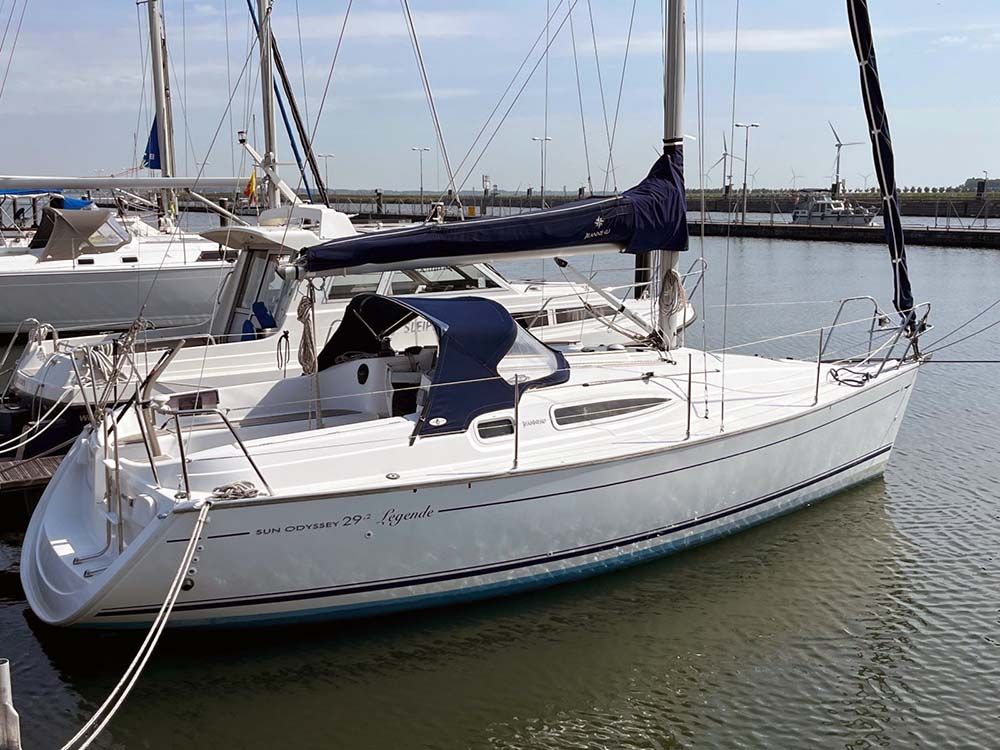
Both boats occupy the same practical niche, but their details diverge: the Sun Odyssey line often emphasizes easy cruising, deck ergonomics and options such as shallow or lifting keels, while the Dufour tends to reward sailors who want a slightly more performance-tuned hull and a more traditional sailplan. The Sun Odyssey’s shallow/keel variants give it a practical advantage in shoal areas and family cruising; the Dufour’s advantages are better pointing and a stiffer feel under sail.
If you cruise in areas with shallow anchorages, Jeanneau’s options may make life easier; if your priority is windward work and an engaging helm within a compact, well-built hull, the Dufour is the smarter match.
► Learn more about the Jeanneau Sun Odyssey 29.2
Dufour 30 Classic vs Bavaria 30 Cruiser
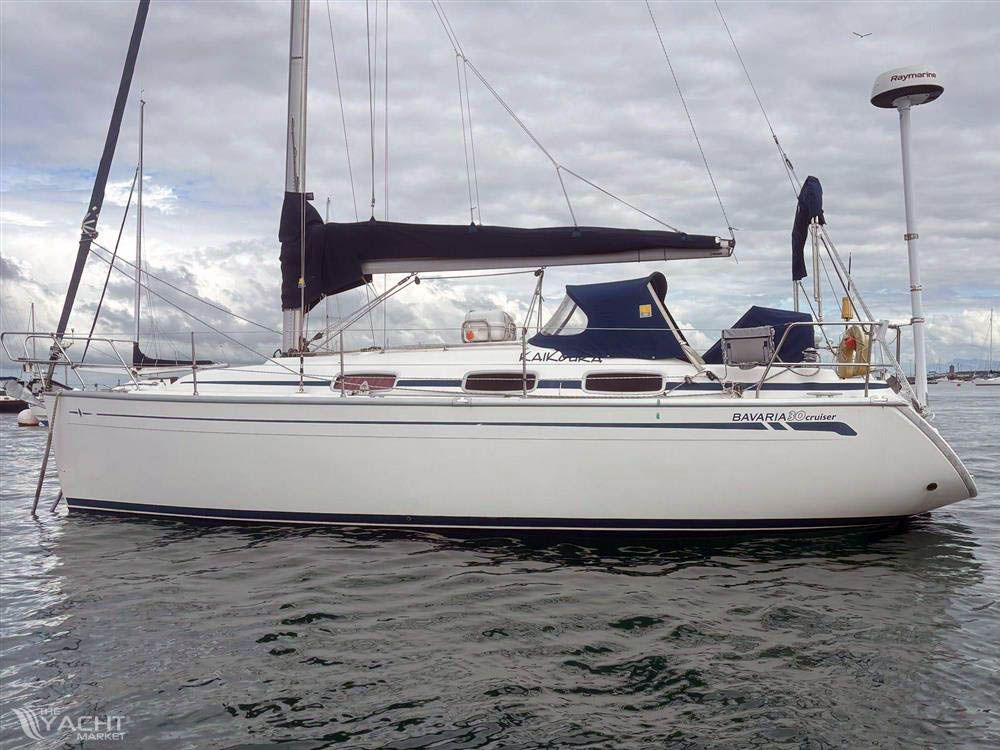
Bavaria models generally push volume, deck space and dealer support, which translates into a more commodious cockpit and interior but a slightly softer motion under sail compared with the Dufour’s tauter, more responsive hull. The Dufour is the choice for owners who want a smaller, more performance-minded yacht that still has sensible cruising accommodations; the Bavaria fits buyers who put comfort, easy resale and a large-dealer aftercare network near the top of their checklist.
From a maintenance perspective, the Dufour can be less expensive to keep in top sailing trim if the owner is hands-on and prioritizes surveys on core areas; the Bavaria’s broader network and newer-style fittings may demand less immediate refit work but can cost more up front.
► Learn more about de Bavaria 30 Cruiser
Maintenance Costs of a Dufour 30 Classic in the U.S.
Typical annual and periodic expenses (approximate ranges; regional variation applies):
- Mooring / slip fees: $1,200–$6,000 per year depending on location (inland lakes and warm-water marinas toward the low end; New England & California toward the high end).
- Insurance: $350–$1,500 per year (age, value and cruising range determine premiums).
- Engine servicing (annual): $300–$1,000 (small diesel service, saildrive service or minor repower work).
- Antifouling paint & haul-out: $500–$2,500 every 1–3 years (labor rates and hull condition vary widely by region).
- Standing & running rigging inspections / partial renewals: $250–$2,000 (inspections yearly; full rig renewal every 8–15 years depending on use).
- Sails (maintenance / replacement amortized): $300–$1,500 per year amortized; a new main + headsail replacement typically runs $3,000–$7,000 as a one-time cost.
Significant one-time expenses often include deck core repairs or replacement of poorly bedded hardware, repowering the original or older engines ($5,000–$18,000 depending on choice), and full electronics/refit packages ($2,000–$10,000). Many routine tasks — bottom painting, simple varnish/woodwork, battery replacements, small plumbing fixes — are owner-doable, but anything involving the keel flange, major deck core work or complicated repowers requires professional yards and significantly increases costs. Overall, maintenance for a well-kept Dufour 30 Classic tends to fall into the medium range for a 30-foot cruiser: purchase price is typically moderate, but prudent buyers should budget for intermittent larger expenditures that surveys commonly reveal.
Conclusion
The Dufour 30 Classic occupies a useful middle ground: it is a genuinely capable small cruiser that sails with more agility than many similarly sized volume-oriented boats, yet it keeps systems and maintenance within reach of a competent owner. Its strengths are good sailing manners, efficient interior layouts for its size and a market presence that delivers reasonable options for buyers seeking a well-priced cruiser with character. Its principal weaknesses are the long-term care required for balsa-cored decks (when present), the possibility of repower needs on older examples, and the reality that resale value depends heavily on condition and documented upgrades. For a buyer who wants a compact, fun and practical coastal cruiser — someone who values time under sail and is willing to invest in a targeted refit where needed — the Dufour 30 Classic is worth seeking out and can be a very good value in the right condition.
Specifications
| General Information | |
|---|---|
| Hull Type | Fin w/spade rudder |
| Rigging Type | Masthead Sloop |
| LOA | 30.00 ft / 9.14 m |
| LWL | 26.33 ft / 8.03 m |
| Beam | 9.67 ft / 2.95 m |
| Displacement | 6,834 lb / 3,100 kg |
| Ballast | 2,346 lb / 1,064 kg |
| Max Draft | 3.75 ft / 1.14 m |
| Construction | FG |
| First Built | 1998 |
| Builder | Dufour |
| Designer | J & J Design |
Auxiliary Power/Tanks | |
| Make | Volvo |
| Model | 2010 |
| Type | Diesel |
| HP | 10 |
| Fuel | 21 gals / 79 L |
Accommodations | |
| Water | 45 gals / 170 L |
Sailboat Calculations | |
| S.A. / Displ. | 18.45 |
| Bal. / Displ. | 34.33 |
| Disp. / Len. | 167.14 |
| Comfort Ratio | 18.75 |
| Capsize Screening Formula | 2.04 |
| S# | 3.32 |
| Hull Speed | 6.88 kn |
| Pounds/Inch Immersion | 909.75 pounds/inch |
Rig and Sail Particulars | |
| I | 36.50 ft / 11.13 m |
| J | 11.58 ft / 3.53 m |
| P | 33.00 ft / 10.06 m |
| E | 12.30 ft / 3.75 m |
| S.A. Fore | 211.34 ft² / 19.63 m² |
| S.A. Main | 202.95 ft² / 18.85 m² |
| S.A. Total | 414.29 ft² / 38.49 m² |
| S.A./Displ. (calc.) | 18.46 |
| Est. Forestay Length | 38.29 ft / 11.67 m |
Disclaimer
The considerations and analyses presented regarding the Dufour 30 Classic sailboat are of a general nature and are based on the available information and technical data on this model, interpreted to the best of our knowledge and understanding. It is important to note that the specific characteristics of any particular sailboat may vary due to custom modifications, maintenance performed, and conditions of use over time, among other factors. Therefore, the details and performance of the boat you are considering may not exactly match the information provided here.
We strongly recommend that, before making any purchasing or usage decisions, you conduct a detailed inspection of the boat in question, consult with nautical professionals and other sailors, and consider your personal needs, expectations, and capabilities. Each sailboat may have unique particularities that affect its performance and suitability for different types of sailing and sailors.
The information contained in this analysis should be used as a general guide and not as a definitive reference. Professional evaluation and personal inspection are essential to ensure that the boat meets your specific requirements and expectations.