



The Island Packet 37 is a purpose-built cruising yacht: a heavy-displacement, long-keel cutter conceived for comfortable, safe passagemaking rather than club racing. Designed by Robert K. (Bob) Johnson and built by Island Packet Yachts in the mid-1990s, the model blends traditional seakeeping with an owner-focused layout intended for couples or small families who plan real coastal or offshore cruising. With roughly sixty hulls built between 1994 and 1998, the 37 has attracted a steady following on the used market from private cruisers and couples planning extended voyages; its demand tends to come from buyers who prize durability, interior comfort and forgiving seakeeping over light-wind performance.
Design and Construction
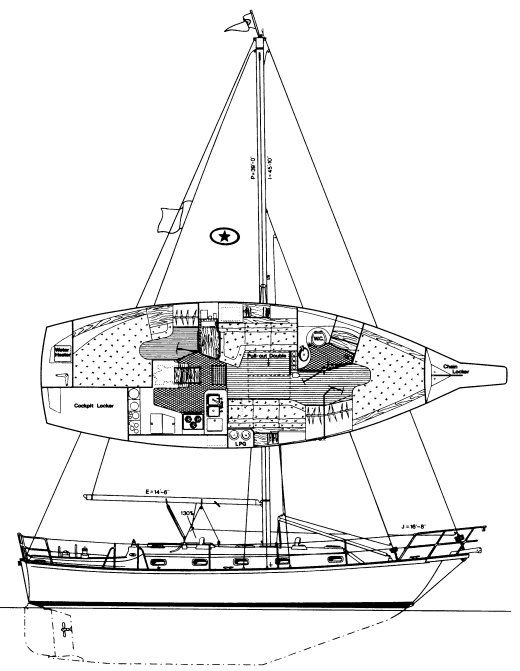
The hull of the Island Packet 37 is classic Island Packet: relatively full at the sections, a long/full foil keel and a skeg-protected rudder that emphasize directional stability and a soft motion in a seaway. The cutter rig (often outfitted with a generous staysail and moderate-sized overlapping headsail) gives a versatile sail plan that’s easy to balance short-handed and forgiving in heavy weather. Construction is solid fiberglass with heavy layup and robust internal structural framing; joinery and interior finishes on the original boats reflect Island Packet’s focus on liveability and longevity rather than weight savings. These choices mean the boat resists flex, resists pounding, and in practice lowers the need for constant structural attention — but they also produce a heavier displacement that will underperform lighter fin-keel cruisers in light airs and increase docking/mooring costs slightly over lighter designs. From an owner’s perspective that tradeoff typically translates into lower long-term worry about core issues and better resale among buyers who want a dependable cruiser.
Performance
Under sail the 37 behaves like a true cruising boat: steady, predictable and comfortable. In moderate to fresh conditions the hull tracks well and the long keel helps the boat maintain momentum through waves, giving a confidence-inspiring ride when miles count; in light airs she is noticeably slower than contemporary fin-keel designs, and tacking angles to windward are wider than high-performance cruisers. Maneuvering in tight marinas can feel less nimble—prop walk and the keel form mean backing requires planning—but many owners report the boat is easy to steer once you allow for its inherent momentum. Compared with lighter coastal cruisers of similar length the Island Packet 37 trades a bit of speed for exceptional seakindliness and safety margins, making it a strong choice for buyers who prioritize realistic cruising capability over club racing performance.
Comfort and Accommodations
Interior space is one of the 37’s strongest selling points: broad beam, thoughtful joinery and plentiful stowage produce a comfortable liveaboard layout for a couple or a small family. The layout was designed with long-term use in mind — secure handholds, deep settees, well-ventilated sleeping areas and protected galley ergonomics — which makes extended cruising and living aboard practical. The cabin sole and timber finishes generally age well if maintained, though many older examples show owner upgrades (modern refrigeration, replaced fabrics, electronics refresh) — upgrades that improve habitability but also signal expected refit costs to a buyer. If your objective is comfortable coastal cruising or a solid platform for occasional offshore legs, the 37’s interior will often beat newer, lighter boats in perceived comfort and usable storage.
Safety and Practicality
Deck layout and hardware on the 37 were specified to simplify single- or short-handed sailing: cutter rig options and sensible winch placement make sail changes manageable, and the full keel plus skeg afford rudder protection and good directional control in heavy weather. Boarding, access to the water and movement on deck are generally safe thanks to high bulwarks, broad side decks and secure handholds, though prospective owners should confirm that track hardware, chainplates and toerails are in good condition — corrosion and fatigue are repair items that affect any cruising boat of this age. Systems are usually straightforward to work on (engine access is reasonable and through-hull complexity is moderate), which helps keep ordinary maintenance accessible to owners rather than forcing outsourced specialist work. For buyers planning true offshore work the hull and layout are solid bases; for those restricted to shallow-water coastal sailing the shoal-draft versions may be attractive but trade off windward performance.
Known Issues with the Island Packet 37
Long-keel Island Packets like the 37 are well-regarded, but recurring topics in owner forums and surveys include: occasional water intrusion around older deck hardware and hatches if seals are not refreshed, the need to verify chainplate integrity during surveys, and the expected maintenance of the relatively heavy fiberglass layup after decades in the water. Osmosis is uncommon but possible on any older GRP hull and should be checked; engine and transmission upkeep (Yanmar or similar diesel units on many boats) is a routine area where deferred maintenance shows up; and electronics packages on original boats are often outdated and replaced by new owners. Practical buyer guidance from owners points to a handful of commonly recommended upgrades during refits — updated electronics & wiring, replacement or servicing of standing rigging as part of a 10–15 year cycle, and modern sail inventories — items that materially affect safety and performance if neglected. In short: nothing uniquely fatal to the design, but the usual age-related items matter and are worth budgeting for at survey time.
Market Availability and Pricing in the U.S.
The Island Packet 37 is no longer in production and is only available on the used market; listings regularly appear in Florida, the Mid-Atlantic and the Southeast, with occasional examples in New England and California where bluewater buyers seek solid cruisers. U.S. asking prices for well-maintained 1990s examples commonly sit in the $80,000–$140,000 range, with lower-priced boats available where cosmetic or systems work is needed and higher prices commanded by refitted, lightly-used examples. Compared with light-displacement coastal cruisers of a similar length, the 37 typically holds value well within the bluewater/cruising niche because buyers who want a true cruising platform prize the build and layout; however turnover is slower than for more general-market models like mass-market Catalina or Hunter designs, so patience and a targeted search are usual for both buyers and sellers.
Below is a comparison with similar sailboats from the same era:
| Model | LOA | Approx. Years Built | Typical US Used Price | Main Differences |
|---|---|---|---|---|
| Island Packet 37 | ~38.6′ (LOA incl. bowsprit) | 1994–1998 | $80,000–$140,000 | Full/long keel, cutter rig, heavier displacement, built for seakindliness and liveaboard comfort. |
| Catalina 36 (Mk I/II) | ~36.3′ | 1982–2008 (various marks) | $30,000–$120,000 | Lighter fin-keel cruiser, large production numbers, generally lower purchase/maintenance cost but less heavy-weather reserve. |
| Beneteau 373 / Oceanis 373 | ~36.9′ | Early–mid 2000s | $80,000–$130,000 | Modern fin-keel hulls, emphasis on interior volume and performance in light air; lighter, faster but less heavy-weather comfort. |
| Hunter 36 (various) | ~36′ | 1990s–2000s (various) | $40,000–$100,000 | Often more performance-oriented for coastal cruising, comfortable weekender layouts but generally lighter construction than Island Packet. |
Island Packet 37 vs Catalina 36

The 37’s full-keel hull and heavy displacement give it superior motion comfort and directional stability compared with the Catalina 36’s fin-keel, lighter hull, which tends to be more responsive and faster in light airs. From a practical ownership standpoint the Catalina will usually cost less to berth and to maintain on a year-to-year basis, but the Island Packet will better withstand heavy weather and appeals to buyers who value robustness and offshore confidence.
While the Catalina suits buyers looking for economical coastal cruising and larger second-hand supply (easier resale and part availability), the Island Packet is the better choice for someone whose priority is offshore security, a quieter motion at sea and interior joinery built for long-term liveaboard comfort.
► Learn more about de Catalina 36
Island Packet 37 vs Beneteau Oceanis 373
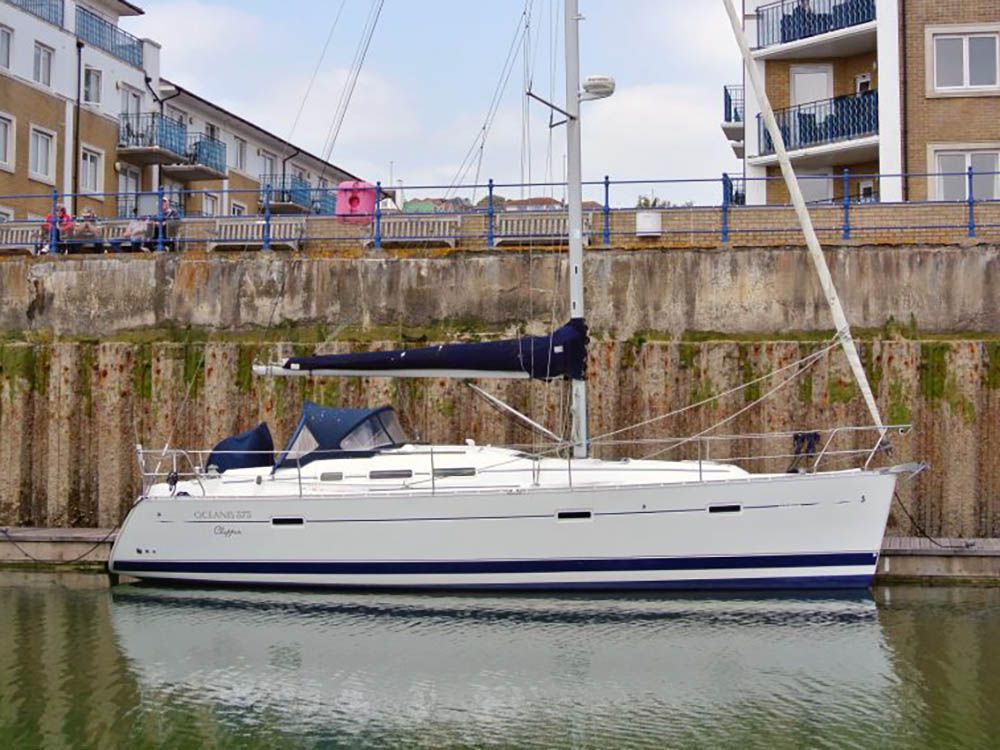
Compared with the Beneteau 373, the Island Packet emphasizes conservative naval architecture and structural heft over the Beneteau’s lighter, performance-oriented fin-keel hull and modern lines; the result is that the 37 feels more solid and less lively in light winds, while the 373 will often outpace it on typical coastal passages. For a buyer, the Beneteau offers newer production practices, easier single-handed sail handling options and a roomier, more contemporary interior per foot, whereas the Island Packet trades those advantages for slower but steadier passage-making and simpler, repair-friendly systems.
If your sailing plan is coastal hops and club events with relatively short legs and occasional overnights, the Beneteau may be more economical and enjoyable; if you plan long legs, liveaboard comfort and the confidence to handle rougher seas, the Island Packet is generally stronger value.
► Learn more about de Beneteau Oceanis 373
Island Packet 37 vs Hunter 36

The Hunter variants lean toward trailer-friendly construction choices and features that favor coastal family cruising and weekend use; their lighter displacement and different keel/rig configurations make them more nimble in close-in sailing and easier to single-hand around a crowded harbor. By contrast, the Island Packet’s architecture prioritizes seakeeping, redundancy and robust joinery — attributes that raise annual upkeep expectations slightly but lower the probability of structural surprises on a bluewater cruise.
Buyers focused on minimal marina costs and club performance will often prefer a Hunter; buyers prioritizing offshore capability, protected rudder arrangement and a comfortable, ship-like interior will find the Island Packet a more suitable and reassuring platform.
► Learn more about de Hunter 36
Maintenance Costs of a Island Packet 37 in the U.S.
Below are typical annual ownership costs presented as an annotated list (each item in bold, followed by expected ranges or comments):
- Mooring/Slip: $2,000–$12,000 per year depending on region (cheaper in low-demand marinas; high in popular Florida, California or New England summer slips).
- Insurance: $600–$2,500 annually depending on coverage, cruising range and boat condition.
- Engine servicing (annual): $300–$1,200 for routine service; head gasket, injectors or larger diesel work will cost more.
- Antifouling (haul/paint): $800–$3,000 every 1–3 years depending on bottom condition and local yard rates.
- Standing and running rigging (inspection & small repairs): $200–$800 annual inspections; full standing rigging replacement typically every 10–15 years: $4,000–$10,000.
- Sails (maintenance & replacement): $200–$800 annual care and minor repair; replacement mainsail or genoa can be $2,000–$8,000 each depending on material and maker.
- Winterization/seasonal commissioning: $300–$1,500 depending on systems and storage needs.
- Survey/haulouts (every few years): $1,000–$3,000 for a professional survey/haul-out; more if structural or osmosis concerns are present.
- Electronics & systems upgrades (one-time/occasional): $1,500–$15,000 depending on depth of upgrade (chartplotter, AIS, autopilot, wiring work).
Regional differences are significant: marina and service labor costs in California and the Northeast typically sit at the higher end of these ranges, while southeastern and gulf yards often charge less. Significant one-time costs to budget for include major rigging replacement, full refits of electrics and thru-hulls, or a full deck or bottom refinish — each of which can range from $10,000 to $60,000+ depending on scope.
Given the 37’s size and build, an owner who is handy can manage many tasks (engine basic maintenance, varnish, systems troubleshooting), but professional services are often required for rigging, major diesel work and structural repairs — which pushes real ownership costs into the medium to high band for boats of this length. Overall, for buyers seeking a true bluewater-capable 37-foot cruiser, expected annual running costs are medium relative to size and purpose; resale value for well-maintained examples generally compensates acceptably for the investment because demand among bluewater-minded buyers stays steady.
Conclusion
The Island Packet 37 is a deliberately conservative cruising design: robustly built, comfortable below, and reassuring at sea. Its compromises—heavier displacement, less agility in light air and higher marina costs relative to lighter cruisers—are the very decisions that give it durability, easier repairability and a strong liveaboard interior. For a buyer whose priority is real cruising comfort, seakindliness, and a platform that tolerates miles and time, the 37 is a compelling choice and often a better long-term match than lighter, speed-first alternatives. If your sailing is mostly short coastal hops and you prize low marina fees or outright performance, there are cheaper and faster options; but for coastal and offshore cruisers who want a reliable home at sea, the Island Packet 37 is worth seeking out and, when found in good condition, represents a reasonable investment with stable resale within its niche.
Specifications
| Hull Type | Long Keel |
| Rigging Type | Cutter |
| LOA | 38.58 ft / 11.76 m |
| LWL | 31.00 ft / 9.45 m |
| S.A. (reported) | 800.00 ft² / 74.32 m² |
| Beam | 12.16 ft / 3.71 m |
| Displacement | 18,500 lb / 8,391 kg |
| Ballast | 8,200 lb / 3,719 kg |
| Max Draft | 4.50 ft / 1.37 m |
| Construction | Fiberglass (FG) |
| First Built | 1994 |
| Last Built | 1998 |
| # Built | 60 |
| Builder | Island Packet Yachts (USA) |
| Designer | Robert K. Johnson |
| Auxiliary Power | Diesel, 38 HP |
| Fuel Capacity | 50 gals / 189 L |
| Water Capacity | 90 gals / 341 L |
| S.A. / Displ. | 18.37 |
| Bal. / Displ. | 44.32 |
| Disp. / Len. | 277.23 |
| Comfort Ratio | 30.85 |
| Capsize Screening Formula | 1.84 |
| S# | 1.78 |
| Hull Speed | 7.46 kn |
| Pounds/Inch Immersion | 1,346.92 lb/inch |
| Rig I | 45.83 ft / 13.97 m |
| Rig J | 16.67 ft / 5.08 m |
| Rig P | 39.00 ft / 11.89 m |
| Rig E | 14.50 ft / 4.42 m |
| S.A. Fore | 381.99 ft² / 35.49 m² |
| S.A. Main | 282.75 ft² / 26.27 m² |
| S.A. Total | 664.74 ft² / 61.76 m² |
| S.A./Displ. (calc.) | 15.26 |
| Estimated Forestay Length | 48.77 ft / 14.87 m |
| Mast Height from DWL | 49.50 ft / 15.09 m |
Disclaimer
The considerations and analyses presented regarding the Island Packet 37 sailboat are of a general nature and are based on the available information and technical data on this model, interpreted to the best of our knowledge and understanding. It is important to note that the specific characteristics of any particular sailboat may vary due to custom modifications, maintenance performed, and conditions of use over time, among other factors. Therefore, the details and performance of the boat you are considering may not exactly match the information provided here.
We strongly recommend that, before making any purchasing or usage decisions, you conduct a detailed inspection of the boat in question, consult with nautical professionals and other sailors, and consider your personal needs, expectations, and capabilities. Each sailboat may have unique particularities that affect its performance and suitability for different types of sailing and sailors.
The information contained in this analysis should be used as a general guide and not as a definitive reference. Professional evaluation and personal inspection are essential to ensure that the boat meets your specific requirements and expectations.