



The Pearson 27 is a compact coastal cruiser introduced in the early 1970s by Pearson Yachts, designed by William Shaw to serve the growing market of recreational sailors seeking a manageable, family-friendly sailboat. Its purpose was primarily cruising, with occasional club racing in mind, targeting small families or couples who wanted a boat that was easy to handle but still offered respectable sailing performance. Over time, the Pearson 27 has gained a solid reputation in the used boat market due to its reliability, simple systems, and ease of maintenance. Today, it remains sought after by coastal cruisers, weekend sailors, and owners looking for a classic fiberglass vessel with predictable behavior, while demand for it in sailing schools or charters is limited because of its size. Its enduring popularity is driven by a balance of practical cruising space, affordable maintenance, and solid sailing characteristics for beginner to intermediate owners.
Design and Construction
The Pearson 27 features a moderate displacement fiberglass hull with a relatively narrow beam and a full-length fin keel, complemented by a skeg-mounted rudder. This design provides predictable handling, respectable upwind ability, and a stable platform in choppy coastal waters. The sloop rig is straightforward, with a masthead setup and uncomplicated running rigging, allowing singlehanded or small-crew operation without difficulty. The use of solid fiberglass for the hull and deck—common for the era—ensures durability, relatively low maintenance, and ease of repair compared to cored composites. The interior layout is practical, emphasizing efficient use of space with two main berths, a compact galley, and a small head, reflecting Shaw’s focus on functional cruising rather than luxury. Naval architecture principles such as moderate ballast ratio and a well-balanced hull form translate into predictable helm response, good stability, and lower maintenance needs, making it attractive for owners who want a boat they can care for themselves. The boat’s structural simplicity also contributes to strong residual value in the resale market, as parts are widely available and modifications are generally straightforward.

Performance
The Pearson 27 is recognized for its steady and forgiving performance under sail. It is comfortable in moderate seas, with a keel and hull combination that offers good tracking and minimal weather helm, making it ideal for coastal passages and weekend cruising. While it is not a speed demon, the boat accelerates well in light to moderate winds and maintains a predictable motion upwind, particularly compared with more beamy contemporaries like Hunter or Catalina 27s. Its fractional-to-masthead rig provides simple sail handling, though reefing becomes necessary in sustained strong breezes. Maneuverability in tight harbors is manageable due to its relatively compact length and responsive rudder, while stability in waves gives confidence to novice and intermediate sailors alike. Compared with other cruisers of similar size and era, the Pearson 27 is widely regarded as reliable, low-maintenance, and sufficiently agile for casual racing or day-sailing.
Comfort and Accommodations
Inside, the Pearson 27 prioritizes practical comfort over spacious luxury. Its cabin layout works well for a small crew or family, with a V-berth forward, a convertible settee in the main salon, and modest galley facilities. Storage is adequate for weekend cruises, and natural light and ventilation are reasonable given the boat’s size. The ergonomics allow for comfortable movement under sail, though extended liveaboard cruising may feel tight for larger groups. The interior materials, primarily wood veneer over fiberglass, age reasonably well, and many examples on the market have been refurbished or lightly modernized. Overall, the cabin layout makes it suitable for weekend family use or short coastal passages, with a cozy and functional atmosphere that appeals to sailors seeking simplicity rather than high-end amenities.
Safety and Practicality
Deck design emphasizes ease of movement and secure footing, with moderate lifelines and accessible cleats. The cockpit is deep enough to provide safety in rough conditions, yet small enough to allow efficient handling by a two-person crew. Boarding and water access are straightforward, and the rig allows for single or short-handed operation, making it practical for coastal cruising. Systems, including the engine, plumbing, and rigging, are accessible and simple, which reduces ongoing maintenance complexity and supports DIY ownership. While capable for nearshore and coastal voyages, offshore passages would require additional upgrades and careful weather planning. The Pearson 27’s balance of safety, practical layout, and manageable systems makes it a sound choice for sailors prioritizing predictability and ease of handling.
Known Issues with the Pearson 27
Common concerns with the Pearson 27 primarily reflect age-related wear rather than design flaws. Some owners report minor deck leaks around fittings and ports if seals have deteriorated, and blisters (osmosis) occasionally appear on older fiberglass hulls. The original Atomic 4 engine can be high-maintenance compared with modern diesels, and replacement or repowering may be necessary on older models. Standing and running rigging should be inspected regularly, and some owners recommend updating the original sails, especially if exposed to years of UV. Electronics are often minimal on vintage examples and typically require modernization. Reinforcing chainplates, updating hoses, or installing modern hardware are common preventive measures that maintain functionality and value. Overall, these issues are manageable and predictable for buyers willing to inspect carefully and maintain a consistent upkeep schedule.
Market Availability and Pricing in the U.S.
The Pearson 27 is no longer in production and is available only on the second-hand market. It appears most frequently in New England, the mid-Atlantic, and Florida, with occasional examples on the West Coast. Boats are typically well-maintained by private owners, though some ex-charter or neglected examples exist. Current U.S. market prices generally range from $12,000 to $20,000, depending on condition, location, and included systems. Compared with similar vessels from the 1970s and early 1980s—such as Catalina 27, Hunter 27, and O’Day 27—the Pearson offers comparable performance with a slightly stiffer hull and better upwind tracking, though interior space is a bit more modest.
| Model | LOA | Approx. Year | Typical Used Price (USD) | Key Differences |
|---|---|---|---|---|
| Pearson 27 | 27 ft | 1970s | $12,000–$20,000 | Stiffer hull, predictable helm, compact but practical interior, simple systems |
| Catalina 27 | 27 ft | 1970s–1980s | $10,000–$18,000 | Beamier hull, more interior space, simpler rig, slightly slower performance |
| Hunter 27 | 27 ft | 1970s–1980s | $11,000–$19,000 | Fuller aft sections, lively light-air performance, practical interior, simple rigging |
| O’Day 27 | 27 ft | 1970s–1980s | $9,000–$17,000 | Deeper hull, better upwind pointing, smaller interior, more performance-oriented |
Pearson 27 vs Catalina 27

The Pearson 27 offers a stiffer hull and more responsive helm compared with the Catalina 27, which favors initial stability and interior volume. Under sail, the Pearson tracks better upwind and provides a more comfortable ride in chop, while the Catalina is easier to handle in light airs and is more forgiving for novice sailors. Interior space favors the Catalina, with a wider saloon and slightly larger galley, but the Pearson’s layout is efficient and functional for small crews. Maintenance is comparable, though Catalina parts are abundant, and its systems are simpler. The Pearson excels in coastal passages, while the Catalina is ideal for relaxed weekend cruising.
► Learn more about de Catalina 27
Pearson 27 vs Hunter 27

The Pearson 27 provides a more balanced helm and stiffer ride, while the Hunter 27 emphasizes initial form stability and livelier light-air performance. The Hunter’s cockpit and interior are slightly more spacious and ergonomic, making it comfortable for small families. Sailing performance favors the Pearson in upwind tracking and handling heavier seas, while the Hunter performs well in casual club racing and lighter conditions. Both are low-maintenance, but the Pearson’s hull construction provides longer-term durability if well-maintained. Weekend cruising and nearshore passages suit both, but Pearson edges out for more predictable handling offshore.
► Learn more about de Hunter 27
Pearson 27 vs O’Day 27
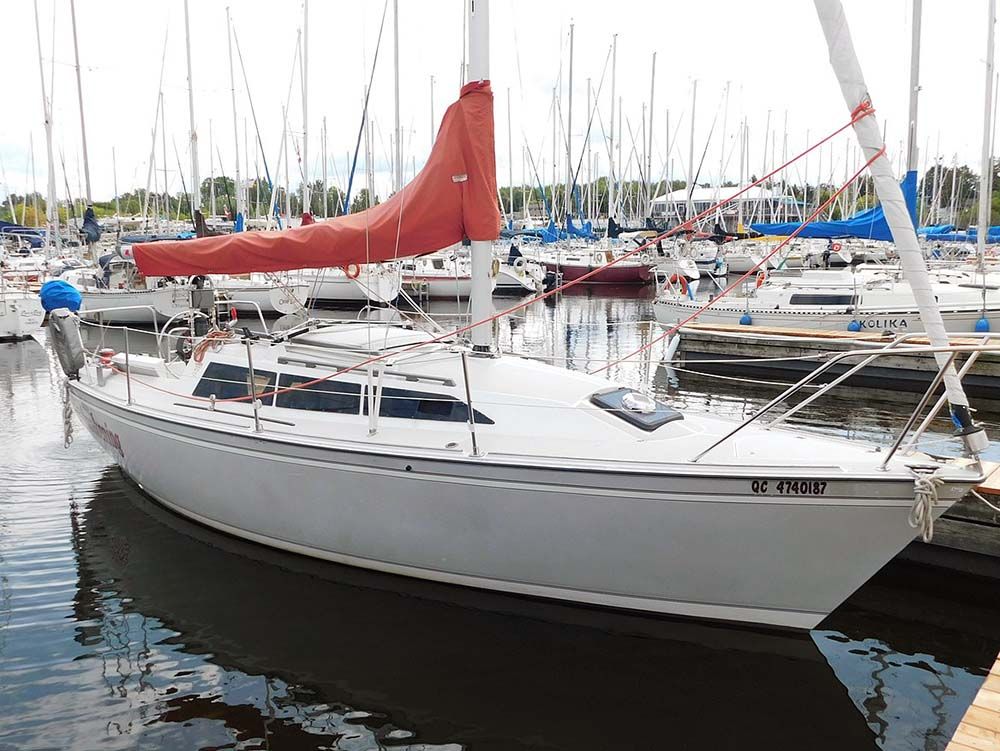
The Pearson 27 and O’Day 27 share a focus on coastal cruising, but the O’Day has a deeper hull and points higher upwind, appealing to performance-minded sailors. The Pearson offers a more forgiving helm and slightly easier handling for novices, while the O’Day may require more active trimming. Interiors differ: the Pearson is compact but functional, whereas the O’Day is smaller and less spacious. Maintenance is generally similar, though O’Day parts can be more difficult to source. The Pearson is better suited for small families seeking weekend cruising with minimal fuss, while the O’Day appeals to sailors prioritizing upwind performance and tighter handling.
► Learn more about de O’Day 27
Maintenance Costs of Pearson 27 in the U.S.
Typical annual costs (variable by region):
- Mooring/Slip Fees: $1,200–$5,000 depending on region.
- Insurance: $250–$600 annually.
- Engine Servicing: $300–$700 per year for small inboard or Atomic 4 engines.
- Antifouling Paint & Bottom Work: $500–$1,800 per season.
- Standing Rigging: $2,000–$3,500 every 15–20 years.
- Running Rigging: $250–$500 every 5–7 years.
- Sails: $2,000–$4,000 for replacement main and jib, typically lasting 10–15 years.
Significant one-time expenses may include electronics upgrades ($1,500–$5,000), interior refits ($1,000–$3,000), or engine repowering ($5,000–$9,000). Owner-maintenance is feasible for most tasks, lowering overall costs, though professional services may be recommended for rigging, engine work, or hull repairs. Overall, the Pearson 27 has low to medium ownership costs for its size and intended use, with resale value generally reflecting maintenance investment
Conclusion
The Pearson 27 is a practical, manageable, and reliable coastal cruiser ideal for small families or couples seeking weekend or short coastal cruising. Its hull design, rig simplicity, and predictable performance make it a forgiving boat for novice to intermediate sailors, while its durable construction ensures a long service life with consistent upkeep. Though interior space is modest, it is efficiently arranged and functional, offering a comfortable environment for short-term cruises. Comparatively, it offers advantages in handling and upwind performance over similarly aged 27-foot cruisers while remaining low-maintenance and accessible. For buyers seeking a classic, well-built sailboat with a strong resale value and manageable costs, the Pearson 27 represents a solid investment for coastal cruising enthusiasts.
Specifications
| Hull Type | Wing Keel |
| Rigging Type | Masthead Sloop |
| LOA | 26.92 ft / 8.21 m |
| LWL | 22.50 ft / 6.86 m |
| S.A. (reported) | 332.00 ft² / 30.84 m² |
| Beam | 9.17 ft / 2.80 m |
| Displacement | 5,800.00 lb / 2,631 kg |
| Ballast | 2,175.00 lb / 987 kg |
| Max Draft | 3.33 ft / 1.01 m |
| Construction | FG |
| First Built | 1986 |
| Last Built | 1991 |
| Builder | Pearson Yachts (USA) |
| Designer | William Shaw |
| Auxiliary Power | Universal Diesel |
| Fuel Tank | 10 gals / 38 L |
| Water Tank | 25 gals / 95 L |
| S.A. / Displ. | 16.50 |
| Bal. / Displ. | 37.50 |
| Disp. / Len. | 227.32 |
| Comfort Ratio | 19.66 |
| Capsize Screening Formula | 2.04 |
| S# | 2.35 |
| Hull Speed | 6.36 kn |
| Pounds/Inch Immersion | 737.22 pounds/inch |
| I | 34.30 ft / 10.45 m |
| J | 10.80 ft / 3.29 m |
| P | 28.50 ft / 8.69 m |
| E | 10.30 ft / 3.14 m |
| S.A. Fore | 185.22 ft² / 17.21 m² |
| S.A. Main | 146.78 ft² / 13.64 m² |
| S.A. Total | 332.00 ft² / 30.84 m² |
| S.A./Displ. (calc.) | 16.50 |
| Est. Forestay Length | 35.96 ft / 10.96 m |
Disclaimer
The considerations and analyses presented regarding the Pearson 27 sailboat are of a general nature and are based on the available information and technical data on this model, interpreted to the best of our knowledge and understanding. It is important to note that the specific characteristics of any particular sailboat may vary due to custom modifications, maintenance performed, and conditions of use over time, among other factors. Therefore, the details and performance of the boat you are considering may not exactly match the information provided here.
We strongly recommend that, before making any purchasing or usage decisions, you conduct a detailed inspection of the boat in question, consult with nautical professionals and other sailors, and consider your personal needs, expectations, and capabilities. Each sailboat may have unique particularities that affect its performance and suitability for different types of sailing and sailors.
The information contained in this analysis should be used as a general guide and not as a definitive reference. Professional evaluation and personal inspection are essential to ensure that the boat meets your specific requirements and expectations.