



The Catalina 250 is a compact, trailerable sailboat introduced in the mid-1990s by Catalina Yachts, one of the most prolific American boatbuilders known for designing accessible, family-friendly cruisers. Conceived as a versatile coastal cruiser, the Catalina 250 was aimed at sailors seeking an affordable entry into the world of cruising without sacrificing comfort or quality. Designed by Gerry Douglas, the boat blends manageable performance with practical amenities, making it a favorite among weekend sailors, sailing schools, and budget-conscious cruising couples.
Since going out of production, the Catalina 250 has established a strong presence in the second-hand market, particularly among private owners and sailing programs in regions with trailer-sailing appeal. Its growing popularity is driven by its transportability, shallow draft options, and approachable learning curve — qualities that continue to make it a sought-after choice for first-time buyers or those downsizing from larger vessels.
Design and Construction
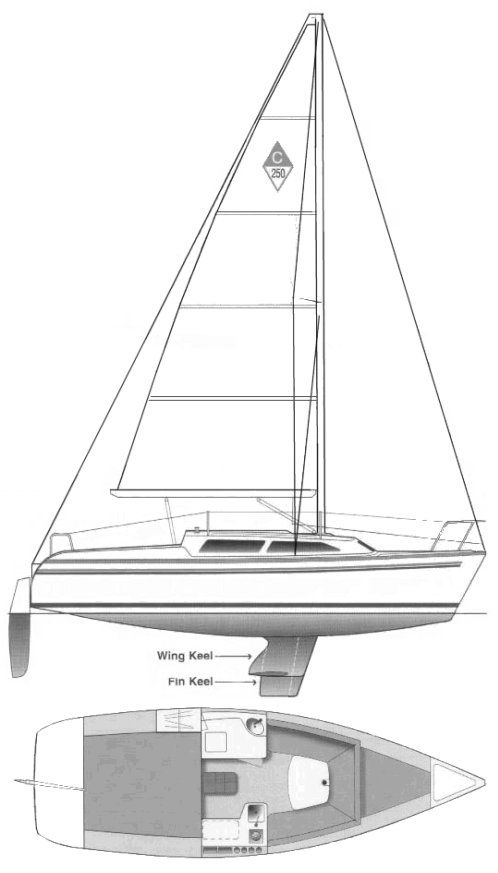
The Catalina 250 is a 25-foot sloop-rigged monohull built predominantly in fiberglass, with variations offering either a fixed fin keel, a wing keel, or a water ballast system combined with a lifting centerboard. This flexibility in keel configuration broadens its appeal, especially for sailors operating in shallow bays or who require trailer launch capability. The hull shape favors moderate beam and freeboard, offering both interior volume and respectable upwind performance for its size.
The deck and cabin structure are molded as a single unit and bonded to the hull, a construction technique that contributes to stiffness and reduces points of potential water intrusion. Most models were outfitted with aluminum spars and stainless steel standing rigging, though some owners have upgraded these over time. The rudder is transom-mounted and often vertically retractable on water-ballasted versions, allowing for beaching or shallow anchorage.
From a naval architecture perspective, the Catalina 250 represents a compromise between performance and portability. The use of water ballast on certain models, while advantageous for trailering, results in a higher center of gravity under sail compared to fixed-keel variants. However, the simplicity of the design means fewer complex systems to maintain, contributing positively to long-term ownership costs and ease of DIY repairs. Residual value remains stable, especially for well-maintained fixed-keel or wing-keel examples.
Performance
Under sail, the Catalina 250 delivers a pleasant and forgiving ride, particularly in light to moderate conditions. The sloop rig is straightforward and easy to handle, with a fractional rig providing balanced sail area and efficient tacking. Upwind, the boat performs competently within its class, especially in the fixed-keel configuration, offering decent pointing ability and speed. The water-ballasted version tends to feel a bit more tender initially but stabilizes well under sustained heel.
In choppy waters or gusty conditions, the 250 maintains control and responsiveness, though it can become wet on deck due to limited freeboard. The rudder feedback is crisp, and its light helm appeal makes it a joy to single-hand. While not a racer, the Catalina 250 can comfortably average 5–6 knots under sail, and more with the right trim and favorable winds.
Compared to similarly sized boats, the Catalina 250 is seen as a better performer than the Hunter 240, particularly in heavier air, though it trails slightly behind the Jeanneau Tonic 23 in pointing ability. Its strength lies in its overall balance — offering reasonable speed, ease of use, and comfort in one accessible package.
Comfort and Accommodations
Below deck, the Catalina 250 surprises with a bright and roomy interior for its size. The layout includes a V-berth forward, a convertible dinette, a small galley area, and a spacious aft berth tucked beneath the cockpit — a rare and welcome feature in this size range. Interior headroom is modest but sufficient for seated comfort, and the use of light wood trim and molded liners helps create a pleasant atmosphere.
Storage is adequate for weekend cruising, with various lockers and cubbies thoughtfully distributed. Ventilation is provided through opening ports and hatches, and many owners retrofit solar vents or fans to improve airflow. Ergonomically, the cabin works well for a couple or small family, though extended liveaboard use would require disciplined packing and frequent resupply.
The Catalina 250’s interior ages relatively well, though water intrusion around windows and deck fittings can lead to cosmetic deterioration if not maintained. It’s common to find units with updated upholstery, portable refrigeration, or enhanced lighting. Overall, it’s a functional, user-friendly space — more than suitable for its intended coastal cruising role.
Safety and Practicality
On deck, the Catalina 250 prioritizes simplicity and safety. Wide side decks, a molded nonskid surface, and secure handholds support movement underway. The cockpit is generously sized for a boat of this length, with coamings that provide back support and a well-placed traveler on most models.
The boat is easily handled by one or two people, with all lines typically led aft. The water-ballasted model is especially attractive to solo sailors due to its lighter towing weight and ease of launching. Access to the transom is open and swim ladder-equipped, making dinghy transfers and water entry convenient.
While the 250 is well-suited for coastal cruising and protected waters, it’s not designed for bluewater passages without major modifications. That said, its systems — electrical, fuel, and plumbing — are generally accessible and simple, keeping maintenance costs low and DIY-friendly. Engine options typically include an outboard motor, although some owners have added custom inboard solutions.
Known Issues with the Catalina 250
Common issues reported with the Catalina 250 often relate to deck hardware leaks, particularly around the chainplates and stanchion bases, which can lead to soft spots if ignored. Water ballast models occasionally suffer from tank valve leaks or maintenance difficulties with the centerboard mechanism, especially if not regularly flushed or inspected.
Some owners report gelcoat cracking in high-stress areas, usually cosmetic but worth noting. The rudder hardware and pintles on early models can corrode or loosen over time. Electronics, given the boat’s age, are often outdated, and many buyers will want to budget for upgrades. Popular modifications include replacing halyards with low-stretch lines, updating the anchor setup, and adding solar power or upgraded battery systems systems, upgraded sail handling gear, and if necessary, replacing standing rigging on older models.
Market Availability and Pricing in the U.S.
The Catalina 250 is no longer in production, making it exclusively available on the used market. It’s most commonly found in coastal regions and sailing hubs like Florida, the Chesapeake Bay, Southern California, and the Great Lakes. Inventory is fairly steady, with boats typically ranging from $10,000 to $22,000, depending on condition, equipment, and keel configuration.
Well-kept, freshwater-sailed models tend to command a premium, while neglected or saltwater-exposed examples may require significant investment. The Catalina 250 is often compared favorably to boats like the Hunter 240, MacGregor 26, and Beneteau First 235, offering better cabin comfort and build quality than the former, but lacking the sporty edge of the latter.
The Catalina 250 holds good resale value within its niche, particularly among trailer-sailor enthusiasts and clubs. Its reputation as a well-rounded, low-maintenance cruiser makes it an attractive used boat that’s relatively easy to buy and sell
Below is a comparison with similar sailboats from the same era:
| Model | LOA | Year Range | Used Price (USD) | Notable Differences |
|---|---|---|---|---|
| Catalina 250 | 25’0″ | 1995–2005 | $10,000–$22,000 | Trailerable; multiple keel options; roomy interior |
| Hunter 240 | 24’0″ | 1998–2005 | $8,000–$17,000 | Water ballast only; simpler interior; lighter build |
| MacGregor 26X | 25’10” | 1995–2004 | $7,000–$15,000 | Motor-sailer; high speed under power; minimal finish |
| Jeanneau Tonic 23 | 23’5″ | 1986–1993 | $9,000–$16,000 | French design; sporty handling; compact interior |
Catalina 250 vs Hunter 240
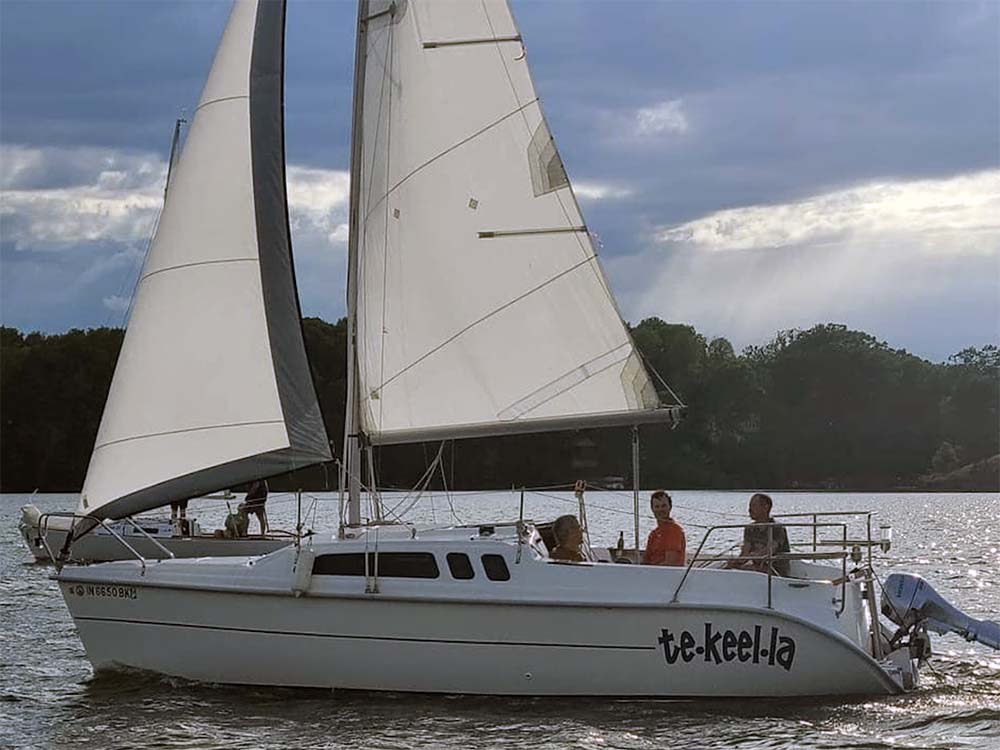
The Catalina 250 offers a more substantial hull with a wider beam and deeper cockpit than the Hunter 240, resulting in greater stability and a drier, more confident ride in choppy conditions. The Hunter’s water ballast system makes it lighter and easier to trailer, but it compromises stiffness under sail compared to the Catalina’s fixed or wing keel versions. Rigging on the Catalina is more conventional and straightforward, appealing to sailors seeking traditional handling and predictable sail trim, whereas the Hunter’s B&R rig reduces standing rigging complexity but slightly limits tuning flexibility. Inside, the Catalina provides a more usable cabin with better headroom and layout for small families. Overall, the Catalina 250 feels sturdier and more comfortable for extended weekend cruising, while the Hunter 240 favors simplicity and ease of trailering.
► Learn more about the Hunter 240
Catalina 250 vs MacGregor 26X

The Catalina 250 is designed for sailing performance and comfort, while the MacGregor 26X is a dual-purpose sailboat-powerboat hybrid. The Catalina’s solid fiberglass hull and fixed ballast give it superior balance and control under sail, particularly in gusty or coastal conditions, whereas the MacGregor’s water ballast system prioritizes lightness and planing ability under power but results in more heel and reduced windward performance. The Catalina’s rigging and deck layout are built for steady cruising and easy sail handling, while the MacGregor’s design favors versatility, allowing it to motor at high speeds but sacrificing sailing refinement. The Catalina’s cabin is more robust and better finished, aimed at sailors who value long-term comfort over transportability. Buyers seeking a true sailboat experience generally prefer the Catalina 250; those valuing speed and mobility may lean toward the MacGregor 26X.
► Learn more about the MacGregor 26X
Catalina 250 vs Jeanneau Tonic 23

Compared to the Jeanneau Tonic 23, the Catalina 250 feels more modern in terms of cockpit ergonomics and interior volume, but the Tonic 23 has a reputation for being a more responsive and lively sailor in moderate winds. The Catalina’s heavier displacement contributes to a steadier motion, ideal for family cruising and overnight trips, while the Tonic’s lighter French design offers quicker acceleration and better feedback through the helm. Inside, the Catalina provides more headroom and a slightly larger berth arrangement, though the Tonic’s craftsmanship and European finish may appeal to those valuing aesthetic detail. Maintenance access and U.S. parts availability give the Catalina an ownership advantage for domestic sailors. In essence, the Catalina 250 prioritizes comfort and practicality, while the Tonic 23 favors agility and sailing character.
► Learn more about de Jeanneau Tonic 23
Maintenance Costs of a Catalina 250 in the U.S.
Typical annual maintenance expenses for a Catalina 250 are moderate within its class:
- Mooring or Slip Fees: $1,000–$3,000 per year depending on region; coastal marinas in California or the Northeast are at the higher end, while inland lakes or dry storage can be much lower.
- Insurance: $250–$600 annually, influenced by sailing area, boat value, and coverage level.
- Engine Servicing: $150–$400 per year for outboard maintenance, including oil, impeller, and winterization.
- Antifouling Paint: $400–$800 yearly for boats kept in the water; trailer-stored models may need only periodic touch-ups.
- Standing and Running Rigging: $100–$300 annually for inspection and minor replacements; a full rig replacement (every 10–12 years) costs $1,500–$2,500.
- Sails: $200–$400 per year for care and repairs; full sail replacement typically runs $2,000–$3,500.
Occasional one-time expenses include electronics upgrades ($1,000–$3,000), canvas or upholstery renewal ($1,000–$2,000), and refit or repainting projects as the boat ages. Many Catalina 250 owners perform routine maintenance themselves, given the simple systems and easy access, which significantly reduces labor costs. Professional servicing, while available, is usually not required except for major rigging or fiberglass work.
Overall, the Catalina 250’s upkeep falls in the low-to-medium range for 25-foot cruisers. Its solid build and strong resale market often offset ongoing expenses, making it a cost-effective choice for family or weekend sailors seeking reliable performance with manageable ownership costs.
Conclusion
The Catalina 250 offers a smart balance of comfort, performance, and portability. Its strengths lie in its versatility — trailerable yet roomy, simple yet capable. While not a boat for offshore adventures or racing, it excels in its intended role as a coastal cruiser for couples or small families seeking accessible sailing fun.
Its practical layout, reliable sailing characteristics, and support from Catalina’s large owner community make it a sensible and enjoyable investment. For those evaluating their first cruising boat or looking to downsize without giving up comfort, the Catalina 250 is an underrated gem that remains relevant and compelling on today’s used boat market.
Specifications
| Hull Type | Fin w/ transom hung rudder |
| Rigging Type | Masthead Sloop |
| LOA | 25.00 ft / 7.62 m |
| LWL | 21.25 ft / 6.48 m |
| Beam | 8.50 ft / 2.59 m |
| Max Draft | 5.00 ft / 1.52 m |
| Displacement | 4,200 lb / 1,905 kg |
| Ballast | 1,050 lb / 476 kg |
| Construction | Fiberglass (FG) |
| First Built | 1995 |
| Builder | Catalina Yachts (USA) |
| Sail Area (Total) | 265.25 ft² / 24.64 m² |
| S.A. / Displ. | 16.35 |
| Ballast / Displ. | 25.00 |
| Displ. / LWL | 195.40 |
| Comfort Ratio | 16.77 |
| Capsize Screening Formula | 2.11 |
| Stability Number (S#) | 2.68 |
| Hull Speed | 6.18 knots |
| Pounds/Inch Immersion | 645.39 lb/inch |
| I | 29.00 ft / 8.84 m |
| J | 9.00 ft / 2.74 m |
| P | 24.50 ft / 7.47 m |
| E | 11.00 ft / 3.35 m |
| S.A. Fore | 130.50 ft² / 12.12 m² |
| S.A. Main | 134.75 ft² / 12.52 m² |
| Estimated Forestay Length | 30.36 ft / 9.25 m |
| Mast Height from DWL | 33.25 ft / 10.13 m |
Disclaimer
The considerations and analyses presented regarding the Catalina 250 sailboat are of a general nature and are based on the available information and technical data on this model, interpreted to the best of our knowledge and understanding. It is important to note that the specific characteristics of any particular sailboat may vary due to custom modifications, maintenance performed, and conditions of use over time, among other factors. Therefore, the details and performance of the boat you are considering may not exactly match the information provided here.
We strongly recommend that, before making any purchasing or usage decisions, you conduct a detailed inspection of the boat in question, consult with nautical professionals and other sailors, and consider your personal needs, expectations, and capabilities. Each sailboat may have unique particularities that affect its performance and suitability for different types of sailing and sailors.
The information contained in this analysis should be used as a general guide and not as a definitive reference. Professional evaluation and personal inspection are essential to ensure that the boat meets your specific requirements and expectations.