



The Beneteau Oceanis 361 is a well-rounded cruising sailboat designed with comfort, ease of use, and liveaboard capability in mind. Introduced in the late 1990s and produced until the early 2000s by the prolific French builder Beneteau, the 361 was created under the design collaboration of Berret-Racoupeau, known for combining solid sailing performance with practical cruising layouts.
Intended primarily for coastal and moderate offshore cruising, the Oceanis 361 quickly became popular among private owners and charter companies alike for its spaciousness, reliability, and simplicity. Today, the model holds strong appeal in the used boat market, particularly among couples and small families looking for an affordable entry into cruising without sacrificing interior comfort or manageable handling. It also enjoys moderate demand from sailing schools and charter fleets due to its forgiving handling and ergonomic layout.
Design and Construction
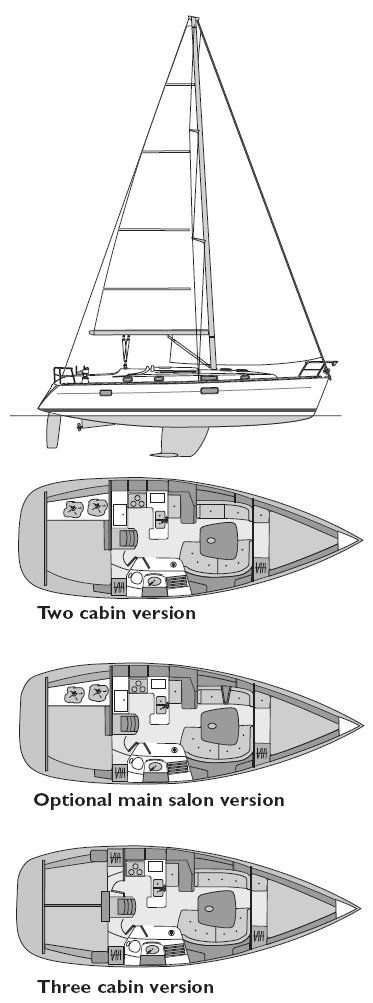
The Oceanis 361 features a moderate displacement fiberglass hull with a balsa-cored deck, a fin keel with a bulb or optional shoal-draft wing keel, and a spade rudder controlled by a single wheel. The rig is a masthead sloop, favoring simplicity and ease of maintenance over complexity. The hull form includes a plumb bow, relatively wide beam carried aft, and gentle sheer—traits that increase interior volume and stability at rest.
Beneteau utilized vacuum-injected fiberglass for lighter weight and consistent laminate quality, which contributes to the boat’s respectable performance under sail. While this method and the cored deck require careful maintenance to avoid water intrusion, they offer a good compromise between stiffness and weight. The internal layout—available in two- or three-cabin configurations—maximizes usable space, with clean-lined joinery and generous headroom throughout.
From a naval architecture standpoint, the Oceanis 361 is balanced: not radical in performance or design, but smartly optimized for durability, ease of repair, and low operating costs—all valuable traits for long-term owners.
Performance
On the water, the Oceanis 361 is known for being steady, predictable, and capable in a variety of conditions. Its performance is not sporty, but well within the expectations of a modern cruising boat. With a hull speed around 7.5 knots, it maintains decent speed on a reach and tracks well downwind.
In light air, the boat can feel underpowered with the standard mainsail and genoa unless well-trimmed, but it comes into its own in 10–15 knots of breeze. Upwind performance is solid, especially with the deeper fin keel version, which offers better pointing ability and less leeway than the shoal draft alternative. The balanced spade rudder provides precise steering and decent maneuverability in tight marinas, aided by its relatively short length overall (36.42 ft) and responsive hull shape.
Compared to boats like the Hunter 36 or Catalina 36 MkII, the Oceanis 361 holds its own in terms of ease of sailing and feels more composed in a seaway, although it may sacrifice a bit of upwind sharpness for volume and comfort.
Comfort and Accommodations
The standout feature of the Oceanis 361 is its interior space. Thanks to the wide beam and clever layout, the boat feels more like a 38-footer below decks. The saloon features a U-shaped dinette to port, a functional navigation station, and a surprisingly large galley with ample counter space and storage. Natural light and ventilation are generous, thanks to multiple opening ports and hatches.
The aft cabin in the two-cabin version is particularly large, spanning the full beam of the boat, making it ideal for couples living aboard. The forward cabin is comfortable for guests or children, and the head includes a separate shower stall—rare in boats of this size and era.
Storage is well-distributed, and the interior joinery in light-toned wood tends to age well, though some older boats may show signs of varnish wear or DIY upgrades. Many owners report using this model for extended cruising or even full-time living, attesting to its comfort and livability.
Safety and Practicality
Safety-wise, the Oceanis 361 is well thought out for short-handed sailing. Wide sidedecks, solid lifelines, and a secure cockpit with good back support make moving around safer in rough conditions. The companionway is protected, and the cockpit locker space is generous enough to store safety gear and lines.
The boat is manageable by one or two people thanks to all lines leading aft and a user-friendly deck layout. The swim platform with a folding ladder makes boarding from a dinghy or swimming easy, enhancing the boat’s practicality in warm climates.
In terms of systems access, the engine compartment is decently sized, and most components are reachable for routine maintenance. However, like many production boats of the time, some plumbing or wiring routes can be tight, so prospective buyers should inspect for prior upgrades and accessibility.
Known Issues with the Beneteau Oceanis 361
Most issues reported with the Oceanis 361 fall under typical aging and wear. Some boats may exhibit signs of:
- Deck core water intrusion, especially around hardware fittings if they haven’t been properly bedded or maintained.
- Osmosis in boats kept in warm waters or neglected maintenance.
- Original electronics often need upgrading after 20+ years.
- Volvo Penta 2030 engine, while generally reliable, may show wear if maintenance records are lacking—exhaust elbows and mounts are known wear points.
- Rudder bearings may develop play after extended use.
Common upgrades include replacing the original prop with a feathering or folding propeller for improved motoring efficiency, updating the autopilot and navigation electronics, and installing solar panels or lithium batteries for energy independences.
Market Availability and Pricing in the U.S.
The Beneteau Oceanis 361 is no longer in production but remains active on the U.S. used boat market, especially in cruising hubs like Florida, the Chesapeake Bay, Southern California, and the Great Lakes. Boats in good condition, often privately owned and well maintained, are commonly available.
Price ranges in 2024–2025 listings typically run from $55,000 to $75,000, depending on engine hours, interior condition, electronics, and sail inventory. Ex-charter boats tend to sit at the lower end and may require cosmetic or structural upgrades, while lightly used owner-kept models command higher asking prices.
Compared to its peers, the 361 strikes a strong balance between price, volume, and cruising comfort, though it faces competition from popular U.S.-built boats and newer European designs.
Here’s a comparison with similar models:
| Model | LOA | Year Built | Typical Used Price (USD) | Key Differences |
|---|---|---|---|---|
| Beneteau Oceanis 361 | 36.42 ft | 1999–2004 | $55,000–$75,000 | Spacious interior, moderate performance, ideal for coastal cruising |
| Catalina 36 MkII | 36.33 ft | 1994–2005 | $50,000–$70,000 | More traditional lines, robust U.S. build, strong owner community |
| Hunter 356 | 35.50 ft | 2000–2004 | $48,000–$68,000 | More innovative deck layout, spacious but less performant upwind |
| Jeanneau Sun Odyssey 37 | 37.50 ft | 2000–2005 | $60,000–$80,000 | Better sailing performance, sleeker interior, slightly higher pricing |
Beneteau Oceanis 361 vs Catalina 36 MkII

The Beneteau Oceanis 361 and Catalina 36 MkII are both popular cruising yachts, but they cater to slightly different preferences. The Oceanis 361 boasts a modern design with a spacious interior, making it ideal for extended cruising and liveaboard lifestyles. Its hull design emphasizes comfort over aggressive performance, which may result in less agility in challenging conditions. In contrast, the Catalina 36 MkII offers a more traditional layout with a focus on solid construction and reliability. Its performance-oriented design provides better responsiveness under various wind conditions, appealing to sailors who prioritize sailing dynamics. Both yachts offer ample space and amenities, but the Oceanis 361 leans more towards comfort, while the Catalina 36 MkII emphasizes performance and durability.
► Learn more about de Catalina 36 MkII
Beneteau Oceanis 361 vs Hunter 356

When comparing the Beneteau Oceanis 361 to the Hunter 356, the primary distinction lies in their design philosophies. The Oceanis 361 is designed with a focus on comfort and spaciousness, featuring a traditional layout and a hull optimized for cruising. Its interior is well-appointed, making it suitable for families seeking extended voyages. On the other hand, the Hunter 356 incorporates modern design elements, including a fractional rig and a more open interior layout. This design prioritizes ease of handling and performance, appealing to sailors who value responsive sailing experiences. While both yachts offer comfortable accommodations, the Oceanis 361 leans towards traditional cruising comfort, whereas the Hunter 356 emphasizes modern performance and handling.
► Learn more about de Hunter 356
Beneteau Oceanis 361 vs Jeanneau Sun Odyssey 37
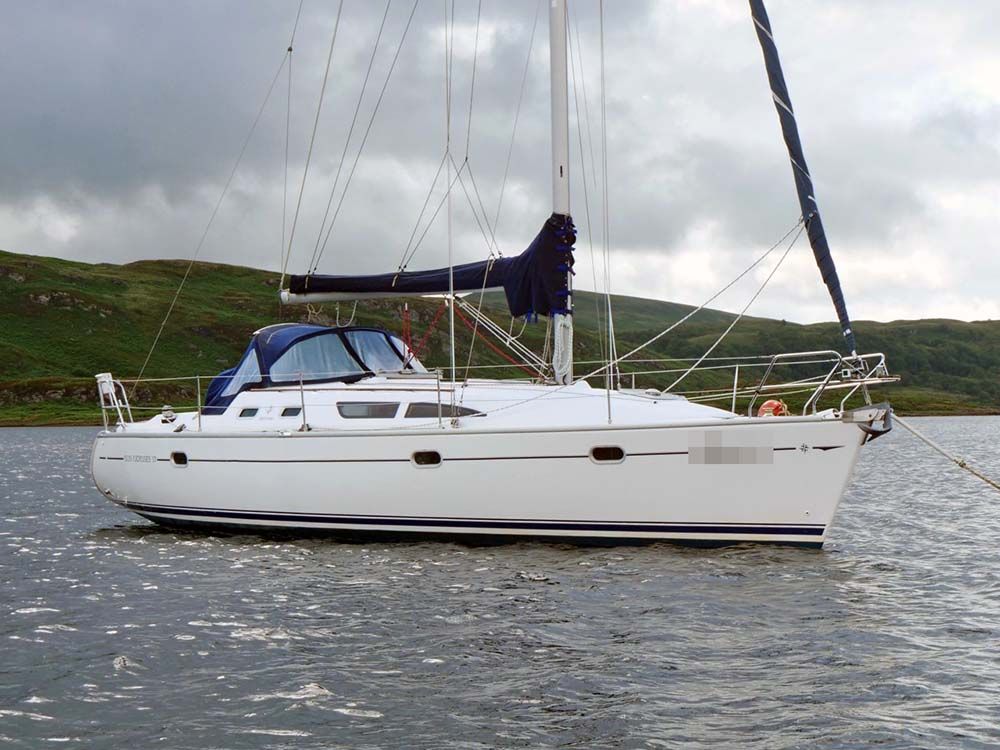
The Beneteau Oceanis 361 and Jeanneau Sun Odyssey 37 are both French-built cruising yachts, but they offer different sailing experiences. The Oceanis 361 is known for its spacious interior and comfortable accommodations, making it suitable for families and long-term cruising. Its design emphasizes stability and ease of handling, providing a relaxed sailing experience. In contrast, the Jeanneau Sun Odyssey 37 offers a more performance-oriented design with a focus on sailing dynamics. Its hull and rigging are optimized for better responsiveness and speed, appealing to sailors who enjoy more active sailing. While both yachts provide comfort, the Oceanis 361 leans towards leisurely cruising, whereas the Sun Odyssey 37 caters to those seeking a more engaging sailing experience.
► Learn more about de Jeanneau Sun Odyssey 37
Maintenance Costs for a Beneteau Oceanis 361 in the USA
Typical Annual Costs (USD):
- Slip/Mooring: $2,500–$4,500 (higher in FL/CA, lower in Great Lakes).
- Winter Storage/Haul-Out: $2,000–$3,000 in cold regions.
- Insurance: $550–$2,250 (1–3% of boat value, higher in hurricane zones).
- Engine Service: $500–$1,000/year.
- Antifouling/Paint: $500–$1,000/year.
- Routine Cleaning/Upkeep: $500–$800/year.
- Sails/Rigging/Electronics (prorated): $1,000–$5,000/year.
👉 Total: about $8,500–$17,500/year, depending on region and whether work is DIY or professional.
One-Time Costs:
- New sails: $3,000–$5,000.
- Electronics refit: $2,000–$5,000+.
- Major refits/repairs: $2,000–$10,000+.
DIY vs. Professional: Owners can cut costs by doing antifouling, engine checks, and cleaning themselves; relying fully on professionals can double or triple expenses.
For its size, the Oceanis 361 has medium to high ownership costs. In costly marinas with pro services, it leans high; with DIY work, it’s manageable. Resale values remain solid ($55k–$75k), which helps offset the investment.
Conclusion
The Beneteau Oceanis 361 offers a compelling package for sailors looking for a comfortable, well-built, and manageable cruising boat in the 36-foot range. Its strengths lie in its spacious interior, user-friendly systems, and moderate sailing performance—ideal for couples or families looking to explore coastal waters or the occasional offshore hop.
While not a performance cruiser or bluewater tank, it holds its value well and can provide excellent return in comfort per dollar. For buyers seeking a reliable entry point into cruising, or those looking to downsize from larger yachts without giving up too much living space, the Oceanis 361 remains a solid, often underrated contender in its class.
If you’re in the market for a capable cruiser that balances ease of handling with livability, it’s definitely a model worth pursuing.
Specifications
| Hull Type | Fin w/ spade rudder |
| Rigging Type | Masthead Sloop |
| LOA (Length Overall) | 36.42 ft / 11.10 m |
| LWL (Length at Waterline) | 31.10 ft / 9.48 m |
| Sail Area (Reported) | 716.88 ft² / 66.60 m² |
| Beam | 12.47 ft / 3.80 m |
| Displacement | 12,787 lb / 5,800 kg |
| Ballast | 4,156 lb / 1,885 kg |
| Max Draft | 5.02 ft / 1.53 m |
| Construction | Fiberglass (FG) |
| First Built | 1999 |
| Last Built | 2004 |
| Builder | Beneteau (FRA) |
| Designer | Berret – Racoupeau |
| Auxiliary Engine | Volvo Penta 2030 Diesel – 27 HP |
| Fuel Capacity | 20 gals / 76 L |
Disclaimer
The considerations and analyses presented regarding the Beneteau Oceanis 361 sailboat are of a general nature and are based on the available information and technical data on this model, interpreted to the best of our knowledge and understanding. It is important to note that the specific characteristics of any particular sailboat may vary due to custom modifications, maintenance performed, and conditions of use over time, among other factors. Therefore, the details and performance of the boat you are considering may not exactly match the information provided here.
We strongly recommend that, before making any purchasing or usage decisions, you conduct a detailed inspection of the boat in question, consult with nautical professionals and other sailors, and consider your personal needs, expectations, and capabilities. Each sailboat may have unique particularities that affect its performance and suitability for different types of sailing and sailors.
The information contained in this analysis should be used as a general guide and not as a definitive reference. Professional evaluation and personal inspection are essential to ensure that the boat meets your specific requirements and expectations.