


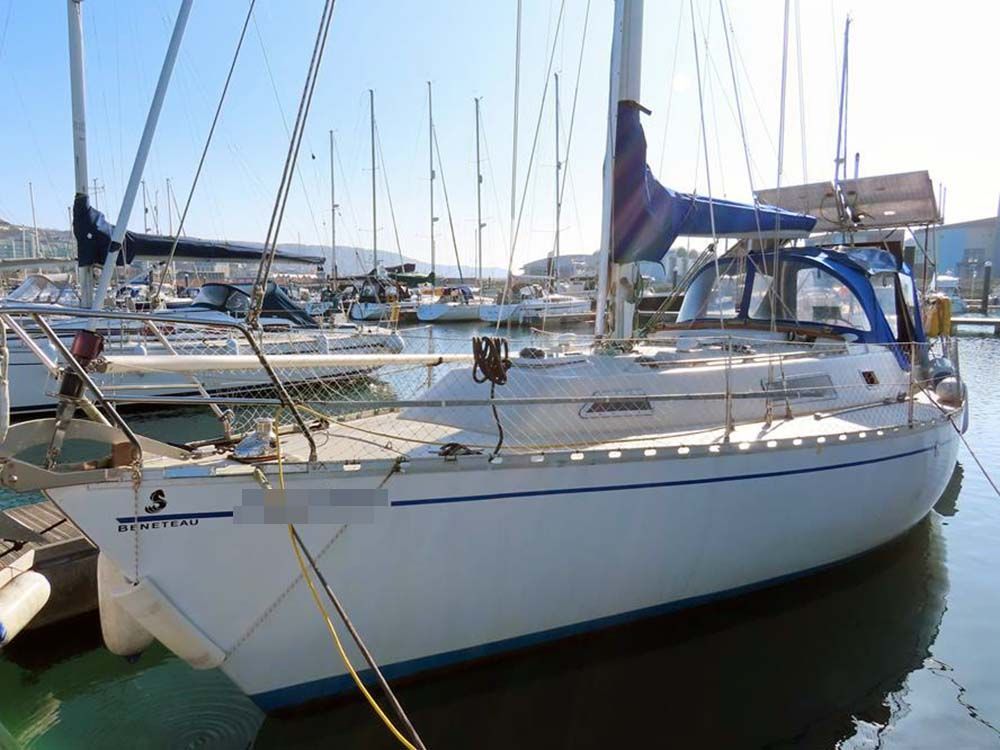
The Beneteau Idylle 1150 is a cruising sailboat introduced in the mid-1980s as part of Beneteau’s Idylle series—boats designed to balance comfort, stability, and ease of handling. Unlike Beneteau’s performance-oriented First series, the Idylle line targeted sailors with long-distance cruising in mind, favoring practicality over racing characteristics. The Idylle 1150, roughly 38 feet in length, hits a sweet spot for sailors who want enough space and capability for extended offshore cruising without the burdens of a larger, more complex yacht. It is well-suited for couples or small families looking for a solid, well-mannered cruiser with a reputation for durability and comfort.
Design and Construction
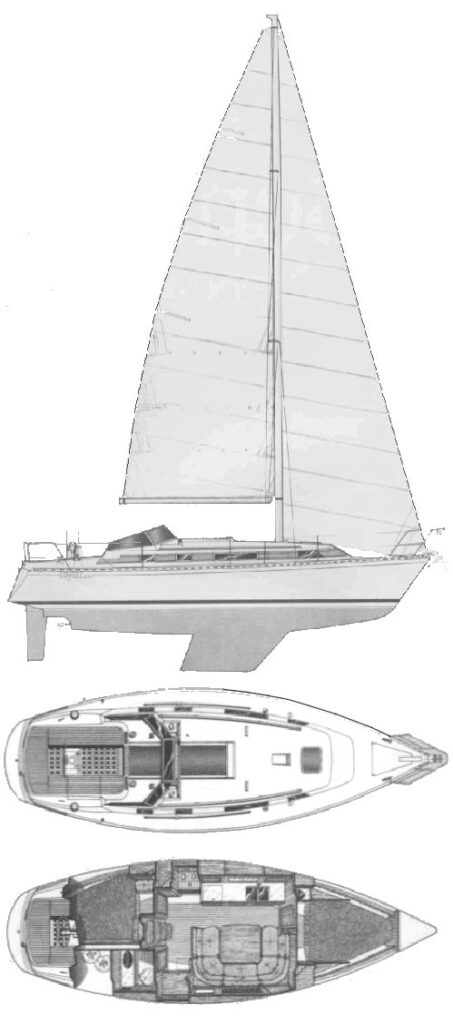
The Idylle 1150 was designed by Jean Berret, known for his thoughtful blend of seaworthiness and comfort. The hull features a moderately heavy displacement with a long fin keel and a balanced spade rudder, which together offer a good combination of stability and maneuverability. The construction is primarily hand-laid fiberglass with a solid hull below the waterline and cored decks—typically using balsa—for weight savings and stiffness. The rig is a masthead sloop, conservative and straightforward, making it easy to manage even for a short-handed crew. The cockpit is deep and secure, with a traditional layout, while the deck offers wide side decks and practical fittings that support safe movement and easy maintenance.
Performance
Sailing performance on the Idylle 1150 is best described as composed and dependable. It’s not a sprinter, but it tracks well and maintains decent speed in moderate winds. The sail plan is conservative, but efficient enough to maintain 6–7 knots on a reach in a fresh breeze. In light air, performance is more pedestrian, as expected for a boat of its displacement and rig type. However, the boat shines in heavier conditions, where its hull form and ballast give it a comfortable, reassuring motion through waves. It points moderately well for a cruiser and handles sea chop without slamming or hobby-horsing. The helm is responsive but not twitchy, which adds to the confidence of novice and experienced sailors alike.
Comfort and Accommodations
One of the main attractions of the Idylle 1150 is its interior volume and liveability. The layout typically features two or three private cabins, depending on the version, along with a spacious saloon and a well-proportioned galley. Wood finishes and generous use of teak trim give the interior a warm, traditional feel. The saloon seating is comfortable and practical, and the nav station is functional for offshore passages. Headroom is generous, and storage is abundant—ideal for extended time aboard. Ventilation is decent, thanks to overhead hatches and opening ports, although adding fans or dorade vents may be necessary in warmer climates. Overall, the interior is functional, welcoming, and thoughtfully laid out for life underway or at anchor.
Safety and Practicality
Safety and practicality were clear priorities in the design of the Idylle 1150. The deck features high lifelines, sturdy grab rails, and a deep cockpit with a bridgedeck to keep water out. The boat’s motion at sea is gentle and predictable, which contributes to crew safety on longer passages. Systems access is relatively good, especially for engine servicing and tank inspection. Sail handling is straightforward, with all halyards and reefing lines traditionally led to the mast, though many owners have since modified this for cockpit control. The boat is entirely capable of bluewater cruising when properly outfitted, though it was marketed more as a serious coastal and island-hopping cruiser. With added gear like windvanes or solar panels, many examples have successfully completed transoceanic voyages.
Known Issues with the Beneteau Idylle 1150
As with many production cruisers from the 1980s, age-related issues tend to be more significant than major design flaws. The balsa-cored decks can suffer from water intrusion, especially around stanchions, hatches, and chainplates if they were not properly maintained or rebedded. Some models have shown gelcoat crazing or osmotic blistering in the hull over time, though rarely to a structurally critical degree. Original electrical and plumbing systems are now outdated and often replaced during refits. Engine access is reasonable, but the original auxiliary power—often a Perkins or Volvo diesel—may be nearing the end of its lifespan depending on use. Overall, none of the known issues are unique to the Idylle 1150 and are common in vessels of similar age and construction methods.
Market Availability and Pricing in the U.S.
The Beneteau Idylle 11.50, produced between 1983 and 1988, is no longer in production, making it a sought-after model in the second-hand market. In the U.S., listings are relatively scarce, with only a few units available for sale. These boats are typically found in regions with active sailing communities, such as Florida, California, and the Northeastern U.S. The condition of available units varies; some are well-maintained, while others may be ex-charter vessels or in need of restoration.
Based on recent listings, the price range for a used Beneteau Idylle 11.50 in the U.S. is approximately $27,800 to $59,880. This range reflects variations in condition, location, and included equipment.
Compared to similar cruising sailboats from brands like Catalina, Hunter, or Jeanneau, the Idylle 11.50 offers a good balance of performance and comfort. Its pricing is competitive, and its reputation for solid construction and seaworthiness adds to its value.
Comparison with similar models:
| Model | LOA (ft) | Year Range | Price (USD) | Key Differences |
|---|---|---|---|---|
| Beneteau Idylle 11.50 | 37.7 | 1983–1988 | $27,800 – $59,880 | Traditional design, robust build |
| Catalina 36 | 36 | 1982–1992 | $35,000 – $55,000 | Larger interior, more modern amenities |
| Hunter 37 Cutter | 37 | 1984–1990 | $30,000 – $50,000 | Cutter rig, spacious cockpit |
| Jeanneau Sun Odyssey 36 | 36 | 1986–1991 | $40,000 – $60,000 | Modern design, performance-oriented |
Beneteau Idylle 11.50 vs Catalina 36

The Beneteau Idylle 11.50 stands out for its robust hull design and offshore capability. Its fin keel and skeg-hung rudder provide a balance of stability and maneuverability, making it suitable for both coastal and extended cruising. In contrast, the Catalina 36 emphasizes interior space and comfort, making it ideal for family cruising and club sailing. In terms of sailing performance, the Idylle 11.50 delivers a more dynamic and stable experience, while the Catalina 36 prioritizes ease of handling and a smooth, comfortable ride. Maintenance needs are comparable, though the Idylle 11.50 may require more frequent attention due to its offshore orientation. Overall, buyers focused on performance and versatility may favor the Idylle, whereas those seeking comfort and roomy accommodations may lean toward the Catalina. The practical choice hinges on whether the priority is spirited sailing or relaxed cruising.
► Learn more about de Catalina 36
Beneteau Idylle 11.50 vs Hunter 37 Cutter
The Beneteau Idylle 11.50 offers a balanced blend of speed, stability, and handling, making it well-suited for both coastal and offshore cruising. Its masthead sloop rig is straightforward and easy to manage, ideal for small crews or family outings. The Hunter 37 Cutter, with its cutter rig, provides greater versatility in sail plan management, allowing for better balance in varying wind conditions, which is an advantage on longer passages. Interior-wise, the Idylle 11.50 has an elegant and efficient layout, while the Hunter focuses on functional space, which may feel less roomy but is practical for extended cruising. The Idylle’s hull and rigging require regular maintenance to maintain performance, whereas the Hunter’s additional rigging elements demand careful attention, particularly in heavy winds. For buyers, the Idylle 11.50 excels in balanced performance and offshore capability, while the Hunter 37 Cutter shines in versatility and adaptability for varied sailing conditions. The decision largely depends on whether the owner prioritizes sailing performance or sail plan flexibility.
► Learn more about de Hunter 37 Cutter
Beneteau Idylle 11.50 vs Jeanneau Sun Odyssey 36

The Beneteau Idylle 11.50 emphasizes solid performance, with a hull designed for stability and a fin keel that offers responsive handling, making it capable of offshore passages. The Jeanneau Sun Odyssey 36 is more oriented toward comfort and ease of use, with a spacious interior and user-friendly deck layout suitable for family cruising and weekend trips. While the Idylle 11.50 provides a more dynamic sailing experience with better performance in heavier conditions, the Sun Odyssey 36 prioritizes a smooth and predictable ride that is forgiving for less experienced sailors. The Idylle’s interior is optimized for extended voyages, with practical yet comfortable accommodations, whereas the Sun Odyssey offers a slightly more spacious and modern layout, emphasizing livability. Maintenance for both vessels is straightforward, though the Idylle may require more attention due to its offshore capabilities and performance-focused design. Ultimately, buyers looking for a balance of speed, stability, and offshore readiness will favor the Idylle, while those valuing interior comfort and ease of handling for coastal cruising will prefer the Sun Odyssey 36. The choice depends on whether the focus is performance or comfort-oriented cruising.
► Learn more about de Jeanneau Sun Odyssey 36
Maintenance Costs in the U.S.
A typical annual or periodic cost breakdown (ranges approximate; regional differences are significant):
- Slip / Mooring — $3,000–$15,000 per year. Marina costs vary dramatically by location (New England and California are at the high end; Southeast and Gulf harbors can be cheaper).
- Insurance — $400–$1,500 per year. Policy cost depends on cruising area (hurricane exposure raises premiums), insured value, and owner experience.
- Engine & Mechanical Service — $300–$1,500 annually. Routine maintenance (oil, filters, impeller, belts) is owner-doable for many; major engine work or repower is substantially higher.
- Antifouling & Haul/Bottom Work — $800–$4,000 every 1–3 years depending on prep and whether core or blister repair is required. Winter haul and paint in high-cost yards pushes the top end.
- Rigging & Sails — $200–$4,000/year (averaged). Running rigging and minor repairs are inexpensive; new cruising sails or standing rig replacement are major periodic expenses ($2k–$8k+).
- Electronics & Safety Upgrades — $500–$6,000 (one-off or incremental). Modern chartplotters, AIS, autopilots and VHF upgrades are common and often prioritized before offshore work.
- Survey/Refit Items — $500–$10,000+. Pre-purchase surveys commonly reveal items to address (re-bedding, portlight seals, upholstery, tank work) and owners budget accordingly.
A motivated owner can do many routine items—oil changes, rig checks, sail repair patches, basic electrical work—thus lowering ongoing costs, but structural work, mast/rig replacement and major engine repairs require professionals and materially increase expenses. Relative to other boats of its length and era the Sun Odyssey 36 sits in a medium maintenance cost band: higher than a small pocket cruiser but usually lower than larger or more complex yachts. Sensible preventive maintenance preserves resale value and typically makes the investment worthwhile for buyers seeking a modern 36-foot coastal cruise
Conclusion
The Beneteau Idylle 1150 is a thoughtfully designed, well-constructed cruiser that still holds up today as a capable and comfortable sailing yacht. While not a performance machine, it offers the kind of solid, dependable sailing that serious cruisers value—particularly those sailing short-handed or planning extended voyages. Its strengths lie in its balanced handling, spacious accommodations, and timeless layout. Though age brings expected challenges, most are manageable with routine care or a moderate refit. Ideal for sailors seeking an honest, ocean-capable cruiser without the intimidation or cost of a larger vessel, the Idylle 1150 remains a respected and admired option on the used market.
Specifications
| Hull Type: | Fin with rudder on skeg |
| Rigging Type: | Masthead Sloop |
| LOA: | 37.73 ft / 11.50 m |
| LWL: | 28.87 ft / 8.80 m |
| S.A. (reported): | 558.00 ft² / 51.84 m² |
| Beam: | 12.14 ft / 3.70 m |
| Displacement: | 11,464.00 lb / 5,200 kg |
| Ballast: | 5,511.00 lb / 2,500 kg |
| Max Draft: | 4.36 ft / 1.33 m |
| Construction: | FG |
| Ballast Type: | Lead |
| First Built: | 1983 |
| Last Built: | 1988 |
| Builder: | Beneteau (FRA) |
| Designer: | Jean Berret |
Auxiliary Power/Tanks (orig. equip.) | |
|---|---|
| Make: | Perkins |
| Model: | 4-108 |
| Type: | Diesel |
| HP: | 50 |
| Fuel: | 21 gals / 79 L |
Accommodations | |
| Water: | 104 gals / 394 L |
Sailboat Calculations | |
| S.A. / Displ.: | 17.62 |
| Bal. / Displ.: | 48.07 |
| Disp. / Len.: | 212.69 |
| Comfort Ratio: | 20.22 |
| Capsize Screening Formula: | 2.16 |
| S#: | 2.63 |
| Hull Speed: | 7.20 kn |
| Pounds/Inch Immersion: | 1,252.31 pounds/inch |
Rig and Sail Particulars | |
| I: | 45.24 ft / 13.79 m |
| J: | 13.41 ft / 4.09 m |
| P: | 39.69 ft / 12.10 m |
| E: | 12.82 ft / 3.91 m |
| S.A. Fore: | 303.33 ft² / 28.18 m² |
| S.A. Main: | 254.41 ft² / 23.64 m² |
| S.A. Total (100% Fore + Main Triangles): | 557.74 ft² / 51.82 m² |
| S.A. / Displ. (calc.): | 17.61 |
| Est. Forestay Length: | 47.19 ft / 14.38 m |
Disclaimer
The considerations and analyses presented regarding the Beneteau Idylle 1150 sailboat are of a general nature and are based on the available information and technical data on this model, interpreted to the best of our knowledge and understanding. It is important to note that the specific characteristics of any particular sailboat may vary due to custom modifications, maintenance performed, and conditions of use over time, among other factors. Therefore, the details and performance of the boat you are considering may not exactly match the information provided here.
We strongly recommend that, before making any purchasing or usage decisions, you conduct a detailed inspection of the boat in question, consult with nautical professionals and other sailors, and consider your personal needs, expectations, and capabilities. Each sailboat may have unique particularities that affect its performance and suitability for different types of sailing and sailors.
The information contained in this analysis should be used as a general guide and not as a definitive reference. Professional evaluation and personal inspection are essential to ensure that the boat meets your specific requirements and expectations.